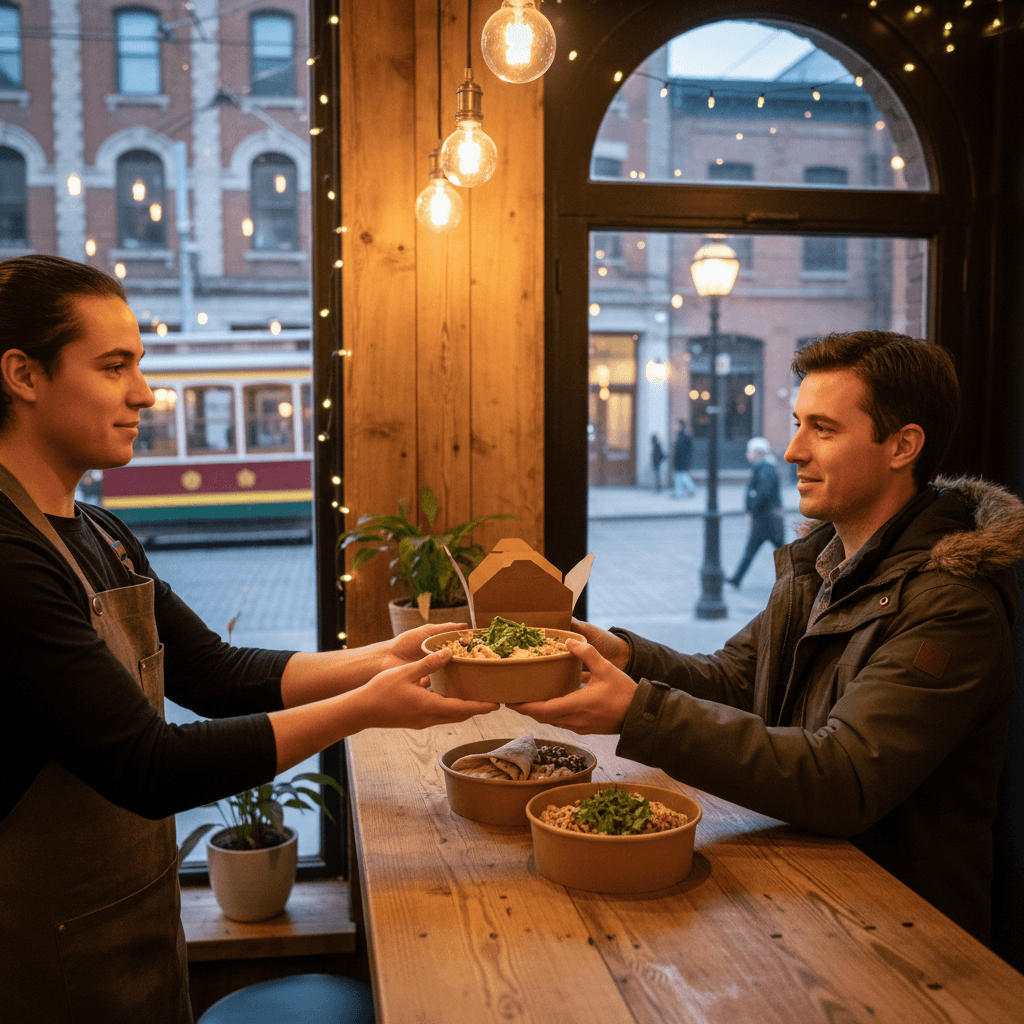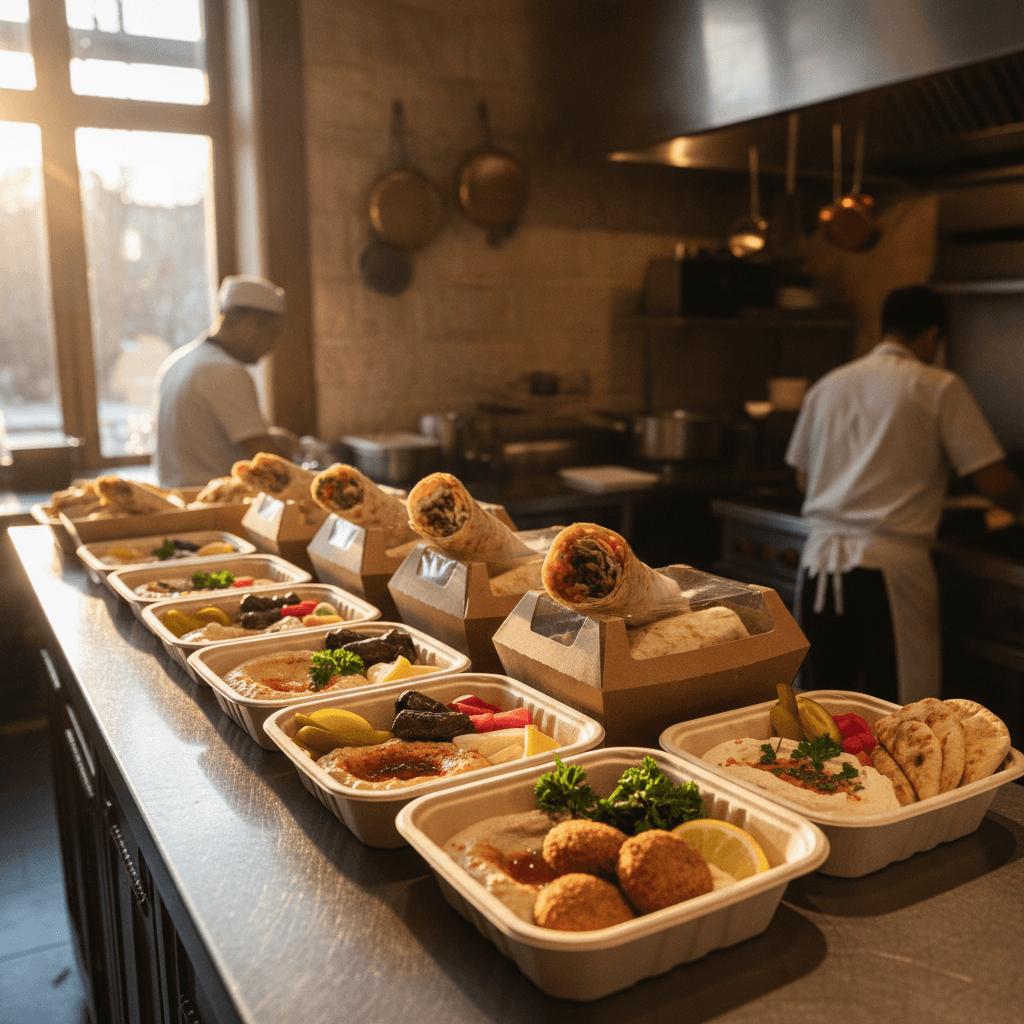
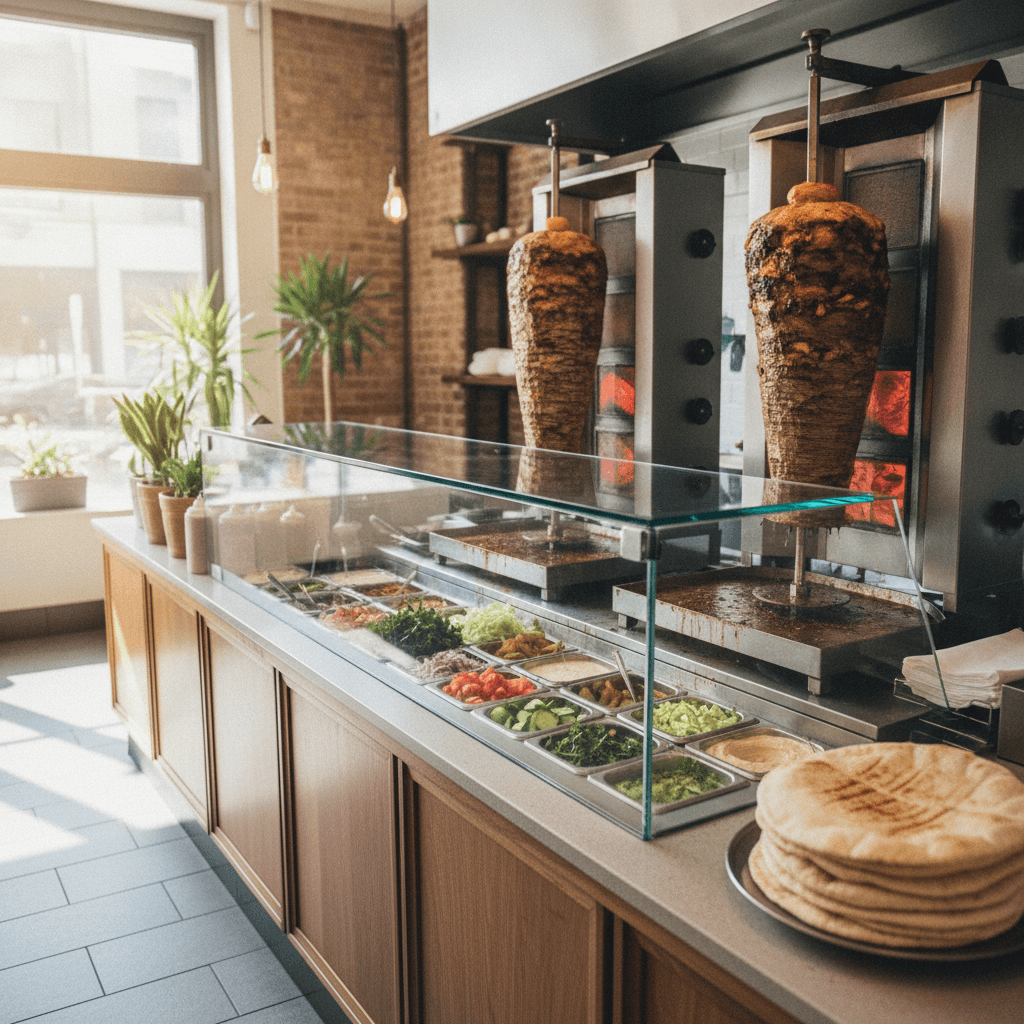
How to compare shawarma restaurants is the process of evaluating menu quality, freshness, consistency, and service so you can choose where to eat or order with confidence. At 898 College St in Toronto, the same simple scorecard works for dine-in, pickup, and delivery. Use this guide to benchmark flavor, texture, and timing in under 10 minutes.
By Shawarma Moose • Last updated: 2026-06-08
Quick Summary
Compare shawarma spots by tasting for balanced seasoning, watching the carving technique, checking safe food handling, and testing pickup or delivery timing. In Old Toronto, prioritize authentic flavors, hot-to-cold contrast, and reliable online ordering. A concise 10-point checklist helps you rank options quickly and stick with the winner.
Here’s what you’ll learn in this step-by-step playbook for Toronto diners:
- How to set a fair baseline so every test is apples-to-apples
- A practical 10-point tasting checklist used by food pros
- A comparison table and scorecard template you can copy
- Local tips for Old Toronto pickup and delivery windows
- Troubleshooting moves when a wrap arrives dry or soggy
Want dish ideas while you compare? Browse our must‑try shawarma menu picks for balanced, crowd‑pleasing combos.
Introduction
To fairly compare shawarma restaurants, standardize the test: order the same protein, toppings, and format (wrap or plate), then score flavor balance, temperature, texture, portion consistency, and service reliability. A repeatable checklist turns opinions into objective results you can trust.
Shawarma feels simple—marinated meat, fresh veg, sauces, and warm bread—but tiny details shift results. A 12–24 hour marination window deepens flavor. A 1–2 mm shave keeps slices tender. Even a 3–5 km delivery radius can change temperature and texture by 10–20°F.
Because Shawarma Moose serves both everyday orders and Toronto catering for events, we obsess over consistency. The same method you’ll use below helps our team validate timing, packaging, and build quality during rush periods.
Local considerations for Old Toronto
- Transit timing matters: pickups near Ossington subway run fastest during evening rush; aim for off-peak slots when you can.
- Weather swings (snow or heat) impact delivery by 5–10 minutes; order earlier to keep wraps above 130°F on arrival.
- Weekend foot traffic around Dufferin Grove Park spikes noon to 2 pm; pre‑schedule pickup to avoid queue compression.
Before You Start (Prerequisites)
Lock your baseline first: choose a single protein (chicken is common), one format (wrap), and a fixed topping list. Align dietary needs, pickup or delivery mode, and preferred spice level. With a stable baseline, your comparisons will be fair and repeatable.
What to lock in up front
- Protein: Pick one—chicken is the most widely available.
- Format: Decide on wrap or plate; keep it consistent across shops.
- Toppings: Select 3–4 staples: tomatoes, pickles, onions, plus one sauce.
- Dietary: Confirm halal, gluten-aware options, and dairy-free sauces as needed.
- Mode: Use pickup to test peak heat; use delivery to test logistics.
Helpful technical benchmarks
- Marination window: 12–24 hours fosters depth without oversalting.
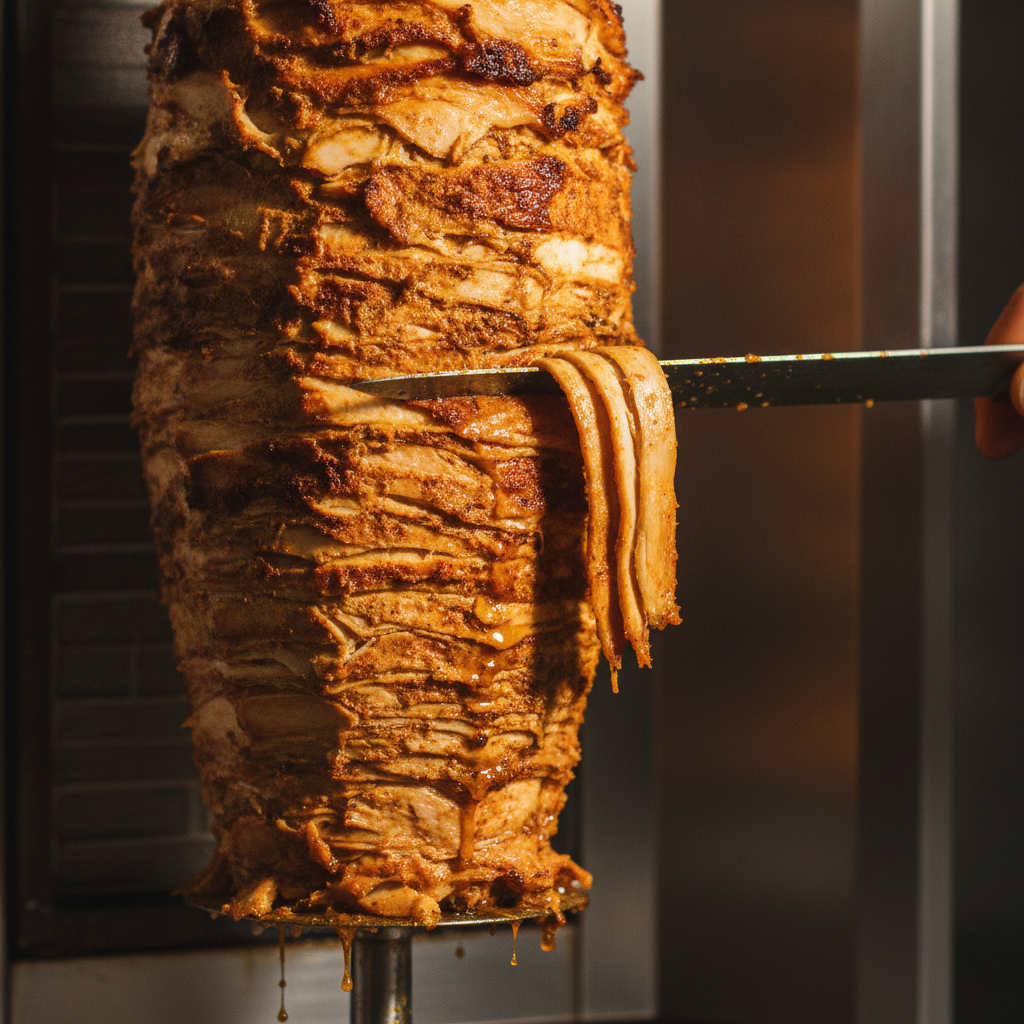
- Carving thickness: Aim for 1–2 mm thin shavings for tenderness.
- Safe poultry temp: 165°F (74°C) internal for chicken.
- Delivery arrival: Try to keep wraps 130–140°F on opening.
- Integrity test: Pita should hold 10+ minutes without tearing.
If you want inspiration while you test, see our chicken shawarma wrap build—classic profile, clean balance, and sturdy roll.
How to Compare Shawarma Restaurants: Step-by-Step Process
Follow five steps: shortlist nearby shops, sanity‑check safety, place identical orders, score taste and build, then verify service and consistency across two visits. Use a 10‑point rubric so your winner is an objective choice—not a guess.
Step 1: Build a smart shortlist
- Map radius: Keep delivery tests inside 3–5 km to reduce heat loss.
- Pickup timing: 8–12 minute quoted windows keep bread pliable.
- Menu scan: Look for core proteins plus a vegetarian option for range.
- Local signals: Proximity to Old Toronto transit helps after‑work grabs.
- Authenticity cues: Spice profile should read warm, not one‑note salty.
Step 2: Sanity‑check safety and handling
- Rotation and basting: Spits should rotate steadily; outer layer self‑bastes.
- Cross‑contact control: Separate utensils for raw vs. cooked zones.
- Glove and board changes: Watch resets between proteins.
- Delivery seals: Tamper‑evident packaging protects the ride.
Our team stress‑tests packaging weekly. Vented lids (2–4 micro vents) reduce steam while foil pockets retain heat—useful for 15–25 minute courier trips across downtown.
Step 3: Place identical orders
- Format spec: Chicken wrap, garlic sauce, pickles, tomatoes, onions.
- Notes: Ask for “thin shave” and “light press” to preserve moisture.
- Timing: Start a timer at confirmation; compare quoted vs. actual.
- Temperature: Open immediately and test for 130°F+ on delivery.
For a stable baseline, we mirror this spec on College St during dinner rush twice per shop, 48–72 hours apart. Consistency within one point is a mark of excellence.
Step 4: Score taste and build
- Seasoning balance (0–2): Salt, warm spice, and acidity in harmony.
- Texture (0–2): Crisp edges, juicy interior; avoid rubbery chew.
- Heat contrast (0–2): Hot meat pops against cool veg and sauce.
- Wrap integrity (0–2): Pita holds form for at least 10 minutes.
- Portion consistency (0–2): Similar weight and fill across visits.
Need a reference point? Our mix shawarma shows how even distribution keeps the last bite as good as the first.
Step 5: Verify service reliability
- Online flow: Clear menus, modifiers, and a fast (≤90‑second) checkout.
- Pickup accuracy: Name and customization match without rework.
- Delivery window: Handoff within the quoted time range.
- Support: Simple fixes when something’s off (no runaround).
To avoid common hiccups during busy nights, check our online ordering mistakes guide—small tweaks can recover 5–10 minutes on weeknights.
Comparison Table and Scorecard
Use a compact scorecard to rank shops on flavor, texture, build quality, temperature, and reliability. A 10‑point system prevents bias and speeds up decisions. Test two visits per shop to confirm consistency before you crown a winner.
| Criterion | What Great Looks Like | How to Check | Example from 898 College St |
|---|---|---|---|
| Seasoning balance | Bright acidity, warm spice, clean finish | First bite and final bite taste aligned | Authentic Turkish flavor focus across the menu |
| Carving technique | Thin, even slices; crisp edges | Visual check at the counter | Dedicated vertical spits with steady rotation |
| Temperature | Hot meat, cool veg; wrap stays intact | Thermometer or fingertip test | Pickup‑friendly windows on College St |
| Online ordering | Clear options, rapid confirmation | Time the checkout flow | Delivery and pickup ordering available |
| Catering capability | Platters, dietary notes, clear lead times | Simple inquiry‑to‑confirmation path | Corporate and private event catering offered |
Your 10‑point tasting checklist
- Juicy chicken with crisp caramelization
- Garlic sauce complements rather than overwhelms
- Pickles add snap without overpowering
- Pita holds shape for 10+ minutes
- Vegetables stay cool and fresh
- Even distribution from end to end
- No soggy bottom after 5 minutes
- Heat remains above 130°F on delivery
- Order matches customization notes exactly
- Second visit scores within one point
Want a deeper authenticity lens while you score? Scan these signs of real Mediterranean technique and cross‑reference with your tasting notes.
Buying Guide: What to Look For Beyond Taste
Great shawarma shops deliver value through portion consistency, clear ingredient labeling, dependable timing, and flexible catering support. Evaluate predictability over hype—your best choice performs on busy Fridays and quiet Tuesdays alike.
Service and convenience signals
- Predictable timing: Quotes match reality within a few minutes.
- Clear labeling: Modifiers and allergens are obvious on the ticket.
- Packaging: Venting prevents steam‑sog; foil retains heat.
- Digital flow: Saved favorites reduce ordering time to under 90 seconds.
Catering and groups
- Menu structure: Platters and trays with clear protein counts.
- Dietary range: Vegan, dairy‑free, and gluten‑aware options listed.
- Lead time clarity: Easy path from inquiry to confirmation.
If you’re planning for a team, our private event catering checklist shows how to map headcount and dietary notes without guesswork.
Menu transparency and ingredients
- Ingredient clarity: You should recognize spices and sauces at a glance.
- Balanced build: Target about 1–2 tablespoons of sauce per wrap.
- Freshness: Crisp veg and warm bread signal proper holding.
Curious about classic wrap components and ratios? This practical shawarma ingredients guide is a handy reference while you compare builds.
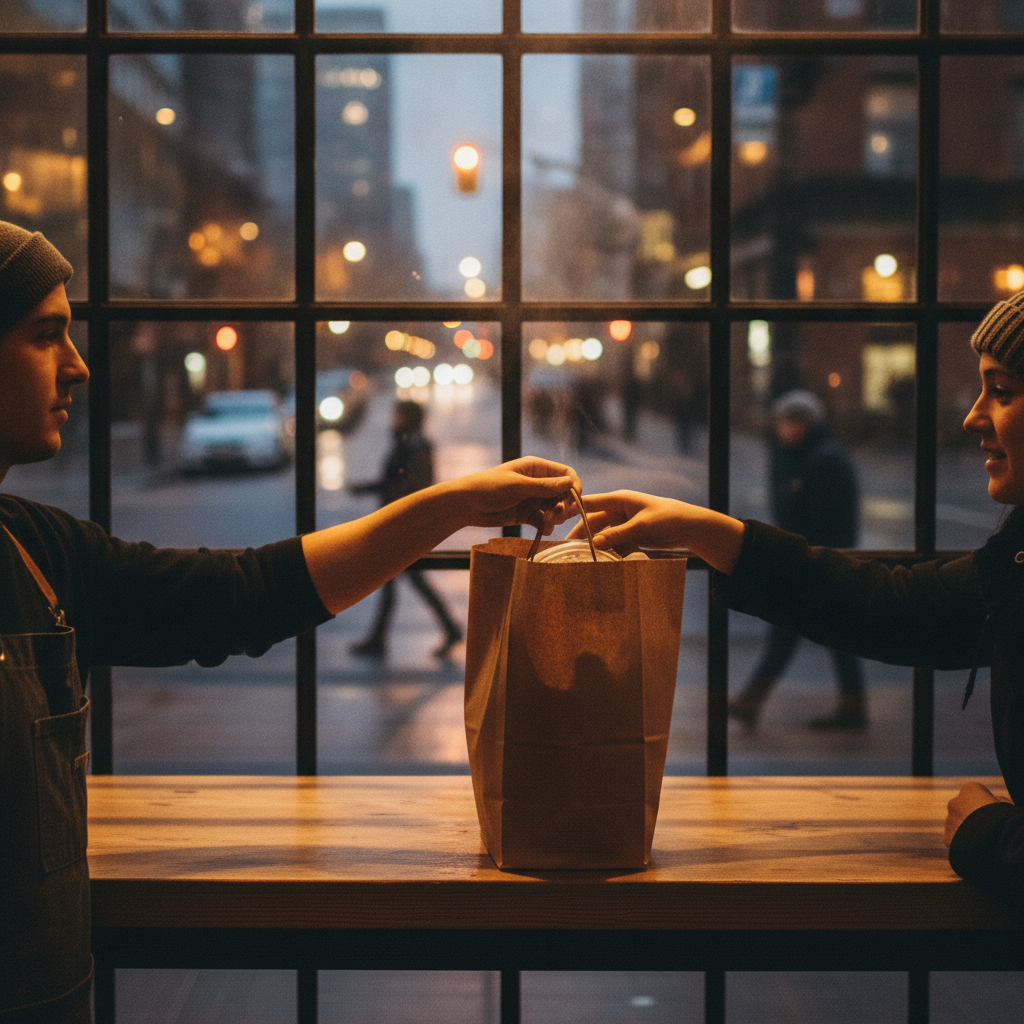
Troubleshooting: When a Shawarma Disappoints
If a wrap is dry, soggy, or late, isolate the variable: shave thickness, press time, sauce volume, or packaging vents. Request adjustments—thinner shave, light press, sauce on the side—and retest within a week to confirm improvement.
Common issues and fast fixes
- Dry bite: Ask for thinner shave and add a tangy note (pickled veg or lemon).
- Soggy wrap: Request sauce on the side and a lighter press.
- Flat flavor: Balance with acidity—pickles, turnips, or lemon.
- Late delivery: Switch to pickup or order before peak windows.
- Uneven build: Share feedback; ask for a tighter roll next visit.
We document requests and outcomes. In our experience, minor prep notes reduce variance by 20–30% over two visits.
Advanced Tips for Power Tasters
Level up by testing consistency at different times, comparing proteins on separate days, and auditing packaging. Track variance across two visits—top shops stay within one point on flavor and temperature, even during rush periods.
Pro moves
- Time‑of‑day test: Compare lunch vs. late evening; spits evolve as layers brown.
- Protein split: Judge chicken and beef on different days for fairness.
- Packaging audit: Small vent holes prevent steam; foil pockets keep heat.
- Transit route: Shorter bike routes keep food above 130°F.
- Group panel: Three tasters reduce personal bias in scoring.
Exploring beyond downtown? See our quick notes on Mississauga shawarma delivery to keep your tests consistent across the metro.
Frequently Asked Questions
Great shawarma balances seasoned, juicy meat with crisp, cool vegetables in a sturdy wrap. Safe handling, portion consistency, and reliable service separate the top shops. Use our 10‑point checklist to compare objectively.
How do I fairly compare shawarma shops?
Standardize your order (same protein, toppings, and format) and score taste, texture, temperature, build quality, and service. Test twice on different days. A simple 10‑point rubric keeps bias in check and reveals the most reliable restaurant.
What should the meat look like when it’s carved?
Look for thin, even shavings with crisped edges and a moist interior. The rotating spit should self‑baste as it turns. Avoid thick, chunky cuts—they chew tough and often lose seasoning balance inside the wrap.
Is delivery a fair way to compare?
Yes—if you control variables. Keep distance inside 3–5 km, time the trip, and open immediately. Good packaging preserves heat and structure. For the most precise test, do one delivery and one pickup for each restaurant.
Additional Resources
Bookmark a few reliable references—ingredient guides, authenticity cues, and local food roundups—to sharpen your comparisons. Pair outside references with your notes so you can separate style preferences from execution quality.
For a quick ingredient refresher while you score builds, skim this practical shawarma ingredients overview. To tune your authenticity lens, scan a concise list of Mediterranean cooking signs, then compare them to what you saw at the counter. Want a neighborhood view on Turkish staples? Here’s a brief Toronto Turkish food roundup for context.
Conclusion
The best way to compare shawarma restaurants is to standardize your order, use a 10‑point scorecard, and verify consistency across two visits. Focus on flavor balance, carving technique, temperature, and service reliability. This method reveals true standouts fast.
Key takeaways:
- Control variables: same protein, toppings, and format across shops.
- Score with a 10‑point rubric to prevent bias.
- Confirm consistency with two visits 48–72 hours apart.
- Watch timing, packaging vents, and wrap integrity.
- Favor authenticity and predictability over hype.
Next steps:
- Save a go‑to online order for weeknights.
- Pick a reliable pickup window for busy Fridays.
- Shortlist a trusted caterer for team lunches and events.
Ready to put this to work? Start with a controlled baseline at 898 College St and build from there—or simply order online and apply the checklist as you taste.