Planning halal wedding catering in Toronto means balancing halal confidence, guest comfort, venue logistics, and a menu that still feels celebratory. For most couples, the biggest challenge is not finding ideas. It is deciding which service format, menu structure, and planning timeline will actually work for the room, the guest count, and the cultural flow of the event. This guide is built for Toronto weddings and wedding-related celebrations such as nikkah lunches, mehndi events, walima receptions, and large family gatherings.
At a Glance
- Start with the event type, guest-count range, and venue access details before you compare menus.
- For most Toronto halal weddings, buffet service is the easiest format for guest flow, variety, and mixed dietary needs.
- Ask specific halal questions about meat sourcing, kitchen practices, and any certificate requirements before you book.
- Plan vegetarian, vegan, and allergen-specific meals as part of the main order, not as an afterthought.
- Confirm loading, elevators, parking, setup time, and serving surfaces early. These details affect delivery and service more than most couples expect.
Quick Answer
Halal wedding catering in Toronto works best when you choose the service format first, verify the halal standard you need, then build a menu that can satisfy mixed-age and mixed-diet guests without slowing down service. For most weddings, that means a clear buffet or family-style setup, labelled dietary options, and venue logistics confirmed well before event day.
Toronto Planning Notes
- Downtown and west-end venues: If your wedding is near College Street, Queen West, Liberty Village, or downtown towers, loading windows and elevator access can matter more than distance alone.
- Community halls and banquet spaces: Ask early about warming equipment rules, setup windows, and whether outside food vendors need advance approval.
- Multi-event weekends: If you are planning separate nikkah, mehndi, and walima events, align menus so each one feels distinct instead of repeating the same spread three times.
Why couples search specifically for halal wedding catering
Wedding catering carries a higher trust burden than ordinary event catering. Guests include elders, children, out-of-town relatives, and people with strong expectations around halal sourcing, portioning, hospitality, and timing. A generic wedding caterer may still leave open questions about halal sourcing, mixed-diet planning, or whether the menu fits the way your event actually runs. That is why searches like halal wedding catering Toronto, muslim wedding catering Toronto, walima catering Toronto, and nikkah catering Toronto are valuable. The searcher usually wants a provider that already understands those questions.
If you already know you want a quote-ready service page rather than another guide, go straight to our Halal Wedding Catering in Toronto page. It is built for the buying decision. This article is the planning layer underneath it.
Which wedding events should use the same caterer?
Not every wedding-related event needs the same menu or service style. In fact, forcing one format across the whole weekend often creates avoidable problems.
- Nikkah lunch: Often works best with a tidy buffet, a smaller family-style spread, or labelled individual meals if the room is more formal or timing is tight.
- Mehndi event: A more social format usually works better. Guests move, mingle, and eat in waves, so buffets and platter-heavy tables tend to outperform rigid plated service.
- Walima reception: This is usually where guest count, service flow, and presentation matter most. A buffet with clear labels and enough duplicate items to keep the line moving is often the safest choice.
- Engagement or family gathering: For smaller events, platters, buffet trays, and a few strong sides often give you the best balance of warmth and practicality.
For a broader look at guest-count planning and menu structure, our event catering menu planning guide is still useful. The difference is that wedding catering adds more family expectations and more venue sensitivity.
The best service format for halal wedding catering
The right format depends on your venue, your guest flow, and how formal the event needs to feel. Toronto couples often over-focus on the menu and under-focus on the serving format. In practice, the format is what determines whether the meal feels smooth.
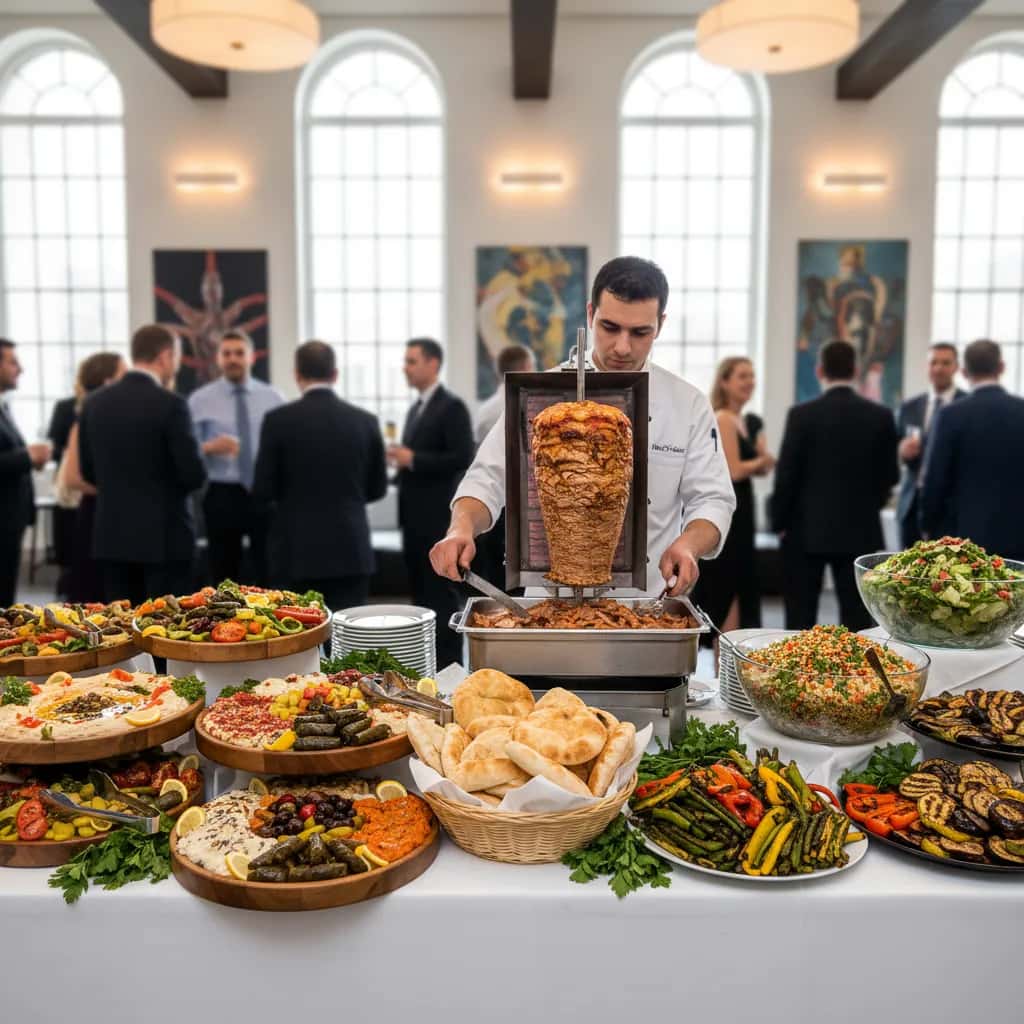
1. Buffet service
For most halal wedding catering in Toronto, buffet service is the strongest default. It is flexible, familiar, and handles mixed preferences well.
- Best for: Walima receptions, large nikkah gatherings, community-hall weddings, and events with 75+ guests.
- Why it works: Guests can choose their protein balance, portion size, and sides. Buffets also make it easier to place vegetarian and allergen-specific options clearly.
- What to watch: Make sure the venue allows enough table length and a clear queue path.
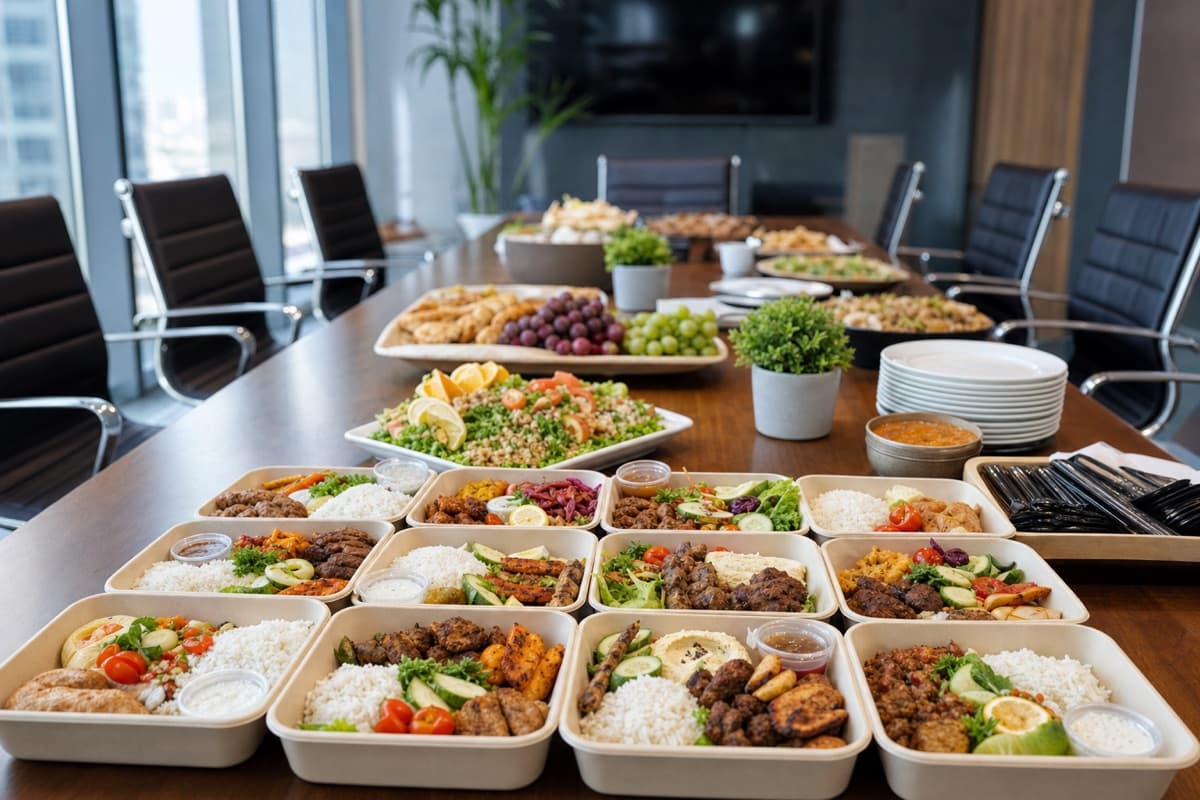
2. Family-style or shared platters
This can feel warmer and more intimate for smaller or mid-sized family events, but it requires enough table space and a guest mix that is comfortable sharing platters.
- Best for: Smaller family weddings, engagement dinners, private rooms, and more seated gatherings.
- Why it works: It feels communal and generous.
- What to watch: Some rooms simply do not have enough space for all the serving platters, sauces, and side dishes.
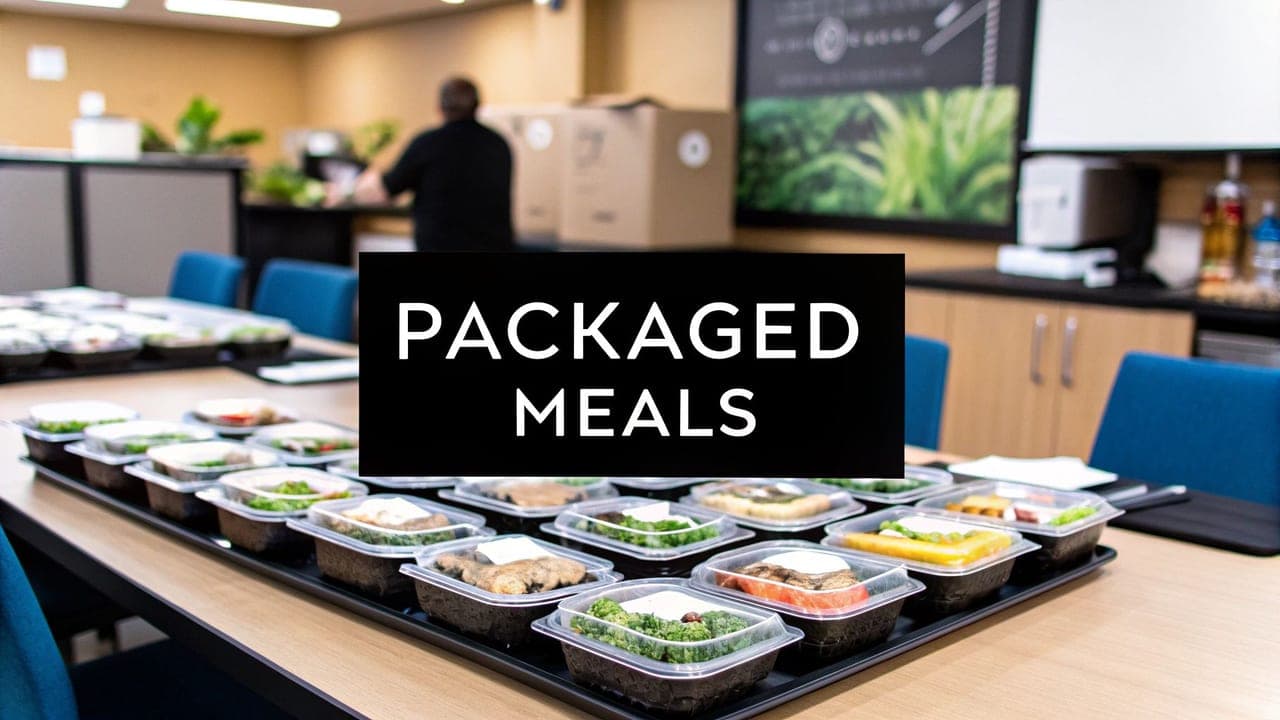
3. Labelled individual meals
Individually packaged meals are less traditional for weddings, but they can be useful when distribution must stay organized or when the room setup is very controlled.
- Best for: Tight-timeline daytime events, segmented delivery to multiple rooms, or guest lists with many specific dietary labels.
- Why it works: Distribution is orderly and labeling is simple.
- What to watch: It can feel more functional than celebratory if the event is meant to feel lavish.
What to ask a halal wedding caterer before you book
These questions matter more than generic wedding-catering questions because they affect both trust and logistics.
- What exactly is halal in the order? Ask whether all meat is halal, who the supplier is, and whether documentation is available on request.
- Do you handle non-halal meat, pork, or alcohol in the kitchen? Some families need a very specific answer here.
- If we need a particular certificate or standard, can you confirm it before booking? This is the cleanest way to prevent last-minute confusion.
- Which format fits our venue best: buffet, platters, or individual meals? The best caterers will answer this based on the room, not on what is easiest for them.
- What is quoted separately? Delivery, setup, chafing equipment, cleanup, and serving staff should be explicit rather than assumed.
- How should we handle vegetarian, vegan, gluten-free, or allergen-specific meals? Ask how those meals are labelled and where they will sit in the spread.
At Shawarma Moose, all meat served is halal and supplied by Arslan Shawarma Production. The kitchen does not handle non-halal meat, pork, or alcohol. If your family requires a specific certificate or preparation standard, that should be confirmed before booking. You can review the quote-ready version of those facts on the Halal Catering Toronto page.
How to structure the menu for a halal wedding
A wedding menu should feel abundant, easy to understand, and safe for mixed diets. The best spreads are usually not the biggest. They are the clearest.
Core menu logic
- Two strong protein lanes: For example, chicken and beef, or one meat plus one plant-based option.
- One clearly intentional vegetarian option: Not just salad. Give vegetarian guests a real main-path meal.
- Two to three familiar sides: Rice, potatoes, pita, and fresh salads usually travel and serve better than overly delicate dishes.
- Sauces and toppings: Keep them visible, organized, and replenished so guests can adjust plates to taste.
- Separate labels: Mark vegetarian, vegan, gluten-conscious, and allergen-specific selections clearly.
What usually works well
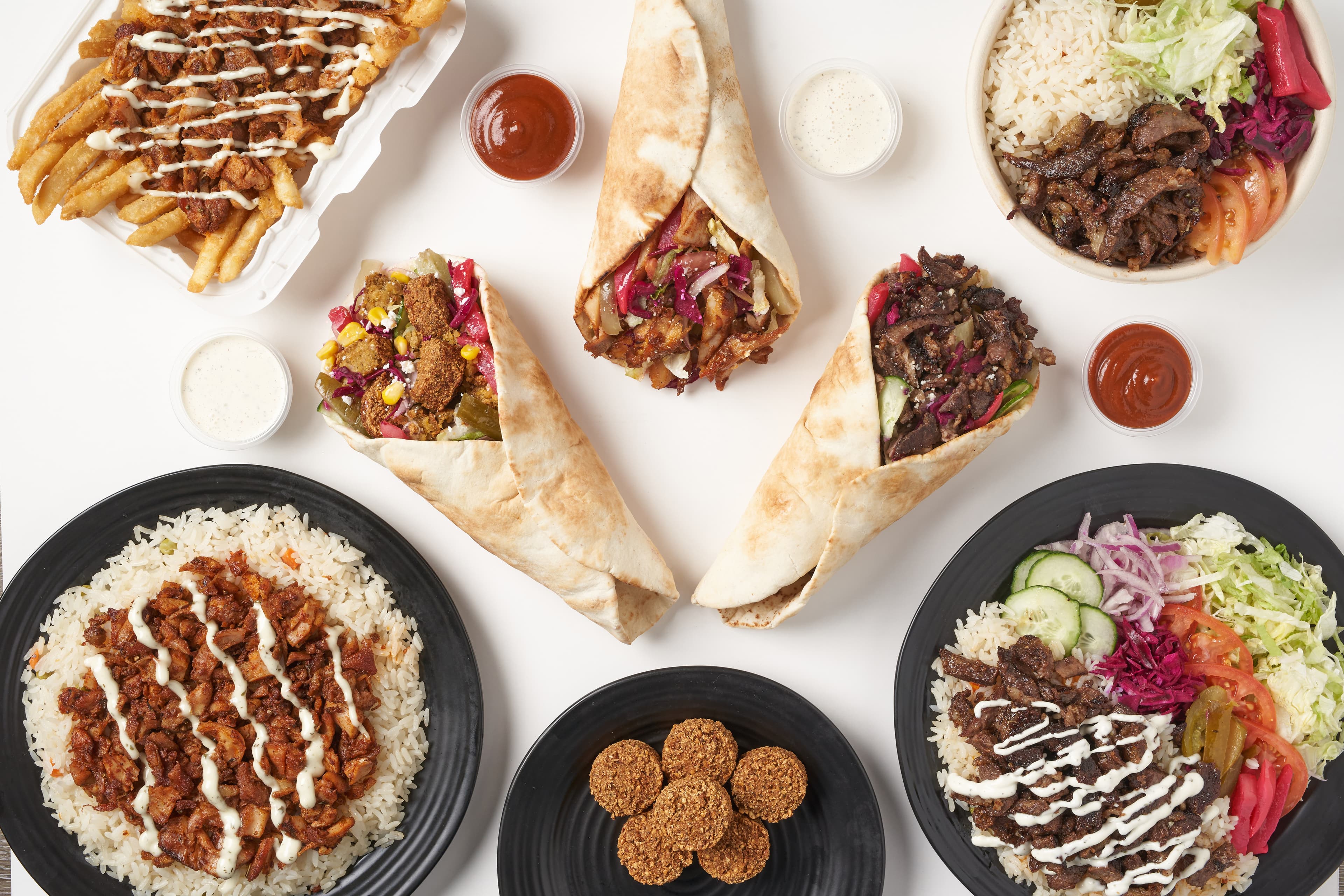
- Halal shawarma or kebab-based buffets for receptions and community-style weddings.
- Mediterranean and Middle Eastern spreads with hummus, pita, salads, rice, potatoes, and clearly separated sauces.
- Platters or buffet trays for pre-wedding events where guests eat in waves.
If you are comparing packages, the easiest starting point is usually one of the buffet-driven pages: Buffet Catering, Large Event Catering, or the dedicated Halal Wedding Catering page.
Guest counts, budgets, and practical sizing
Guest count changes everything: menu format, table layout, number of service points, and how much margin you need for late confirmations. As a planning rule, think in guest-count bands instead of one exact number too early.
- 30 to 60 guests: Easier to handle with family-style service, compact buffets, or a premium but tighter menu.
- 60 to 150 guests: Usually the sweet spot for a strong buffet with enough variety without overcomplicating the layout.
- 150 to 300 guests: Requires tighter line engineering, more duplicate items, and clearer venue logistics.
- 300+ guests: Pushes into large-event planning. The venue setup, loading window, and service rhythm become just as important as the food itself.
If cost transparency is a priority, the catering cost calculator helps turn an early headcount into a working estimate. For halal-specific price framing, the halal catering prices in Toronto page is the better comparison page.
Toronto venue logistics couples often miss
Venue logistics are where many wedding catering plans get weaker than they need to be. The biggest issues are usually not culinary. They are building, timing, and access problems.
- Loading and parking: Downtown venues and condo-party rooms may allow very little flexibility. A venue five kilometres away can still be operationally harder than one farther out with easy loading.
- Elevators and floors: If the food must go up multiple floors, your caterer should know in advance whether there is a service elevator, booking requirement, or loading dock process.
- Serving surfaces: Couples often assume the venue provides enough tables for a buffet layout. Confirm that explicitly.
- Setup window: A short access window changes how quickly food can be staged and what format is most realistic.
- Service upgrades: Chafing equipment, setup assistance, cleanup, and serving staff should be quoted, not assumed.
These details matter for weddings more than standard office catering because guests do not forgive visible confusion around meal service. Smooth logistics are part of hospitality.
A realistic planning timeline for halal wedding catering
- 6 to 12+ weeks out: Lock the date, venue, approximate guest count, and event type. Start quote comparisons.
- 4 to 6 weeks out: Choose the service format and narrow the menu structure.
- 2 to 3 weeks out: Confirm the working headcount, dietary mix, and any certificate or preparation requirements.
- 1 week out: Confirm parking, loading, elevator access, room layout, serving time, and the onsite contact.
- Final days: Only small count corrections and logistical confirmations should remain.
Peak Friday and Saturday dates, long weekends, and culturally dense event seasons should be treated as early-booking periods, especially if you want the widest choice of delivery times.
Sample Toronto halal wedding scenarios
Walima reception for 140 guests
A buffet usually makes the most sense here. Two protein lanes, one plant-based option, clear salads and sides, and enough table length to keep the line moving. The operational risk is usually not menu variety. It is whether the room supports the flow.
Nikkah lunch for 55 guests
A smaller buffet or a family-style spread can feel more appropriate. If the event is in a private room or home, shared platters may feel more personal than a long buffet.
Mehndi at a community hall
This often benefits from a format that tolerates staggered eating. Guests may socialize, take photos, and eat in waves, so trays and buffet service are usually easier than strict seat-by-seat distribution.
FAQ
Do I need a separate caterer for nikkah, mehndi, and walima events?
Not always. Many couples use one caterer for all three, but adjust the menu and service format so each event feels different and fits its guest flow.
What is the best halal wedding catering format for a Toronto reception?
For most receptions, buffet service is the easiest and strongest option because it handles variety, mixed diets, and larger headcounts cleanly.
Should I ask for halal documentation before I book?
Yes. If your family or venue requires supplier documentation or a particular halal standard, confirm that before you commit.
Can one halal wedding order include vegetarian and allergen-specific meals?
Yes, but those meals should be planned and labelled as part of the main order rather than added casually at the last minute.
What venue details matter most?
Loading access, parking, elevators, table layout, setup window, and the day-of contact matter most because they directly affect how smoothly service runs.
Next step
If you are past research mode and ready to compare real formats, prices, and logistics, use the Halal Wedding Catering in Toronto page. It is the clearest next step for couples who want a dedicated wedding-focused quote rather than general catering advice.
Halal wedding buffet examples for 50, 100, and 150 guests
For standard Toronto delivery, the published Mediterranean buffet tiers produce a clear starting range before wedding service upgrades: $13.00, $19.00, or $24.00 per guest. The table includes food, $40.00 delivery, and 13% HST—not staff, equipment, cleanup, supplies, or other extras.
| Guests | Signature | Classic | Feast |
|---|---|---|---|
| 50 | $779.70 | $1118.70 | $1401.20 |
| 100 | $1514.20 | $2192.20 | $2757.20 |
| 150 | $2248.70 | $3265.70 | $4113.20 |
Use these numbers to set a food baseline, then request an itemized wedding quote for setup, chafing equipment, cleanup, serving staff, supplies, and venue-specific timing. Shawarma Moose does not offer live cooking or carving stations, linens, or rentals.
What halal proof should be in the booking record?
The CFIA says a halal claim in Canadian food labelling or advertising must identify the person or body that certified the food, and the claim must be truthful and not misleading. Ask for the supplier or certifier name and any documentation your family or venue requires before approving the menu.
Shawarma Moose's approved public statement is specific: all meat served is halal and supplied by Arslan Shawarma Production; the kitchen does not handle non-halal meat, pork, or alcohol; supplier documentation is available on request. This does not claim that the entire kitchen has a separate independent certification.
Add a venue receiving and food-holding plan
Put the loading entrance, elevator booking, setup window, buffet-table dimensions, onsite contact, service time, and holding-equipment decision into one written brief. Ontario's food premises regulation uses 4°C-or-colder and 60°C-or-hotter thresholds for potentially hazardous food, subject to its stated exceptions. Ask the venue who owns food holding after handoff and confirm any quoted chafing equipment before the event.
The halal wedding catering page owns the quote decision; this guide remains the research and planning layer.
Research and calculation notes
Menu facts and service limits below come from Shawarma Moose's owner-reviewed public package data. Delivered examples use this transparent formula: food + $40.00 standard Toronto delivery, then 13% HST. They are planning examples, not quotes; extras, premium substitutions, setup, equipment, cleanup, and staff are separate when selected.
- Canadian Food Inspection Agency — halal method-of-production claims: Halal claims must identify the certifying person or body and must be truthful and not misleading.
- Health Canada — common food allergens: The federal priority-allergen list used for the dietary intake checklist.
- Ontario Regulation 493/17 — Food Premises: Potentially hazardous food must be held at 4°C or colder, or 60°C or hotter, subject to the regulation's stated exceptions.
- Canada Revenue Agency — GST/HST calculator and rates: Ontario HST is 13%.
Fact review: pricing and Shawarma Moose operating details were checked against the current package source; the small-party cost and order examples were refreshed October 16, 2026. Other research notes retain their September 22, 2026 review. Final availability and quantities are confirmed in the itemized quote.
Frequently asked questions
What is the best service format for halal wedding catering in Toronto?
For most Toronto receptions and larger family events, buffet service is the easiest format because it handles mixed preferences, larger headcounts, and dietary labels more cleanly than tighter plated or individually packaged setups.
Should we ask a halal wedding caterer for sourcing details before booking?
Yes. If halal sourcing, supplier documentation, or a specific preparation standard matters to your family or venue, confirm it before you finalize the order.
Can one halal wedding catering order include vegetarian and allergen-specific meals?
Yes. Those meals should be planned in the main order with exact counts and labels so they can be prepared and distributed properly.
What Toronto venue details matter most for wedding catering?
Loading access, parking, elevator rules, available buffet tables, setup window, and the day-of contact matter most because they determine whether service starts smoothly and on time.