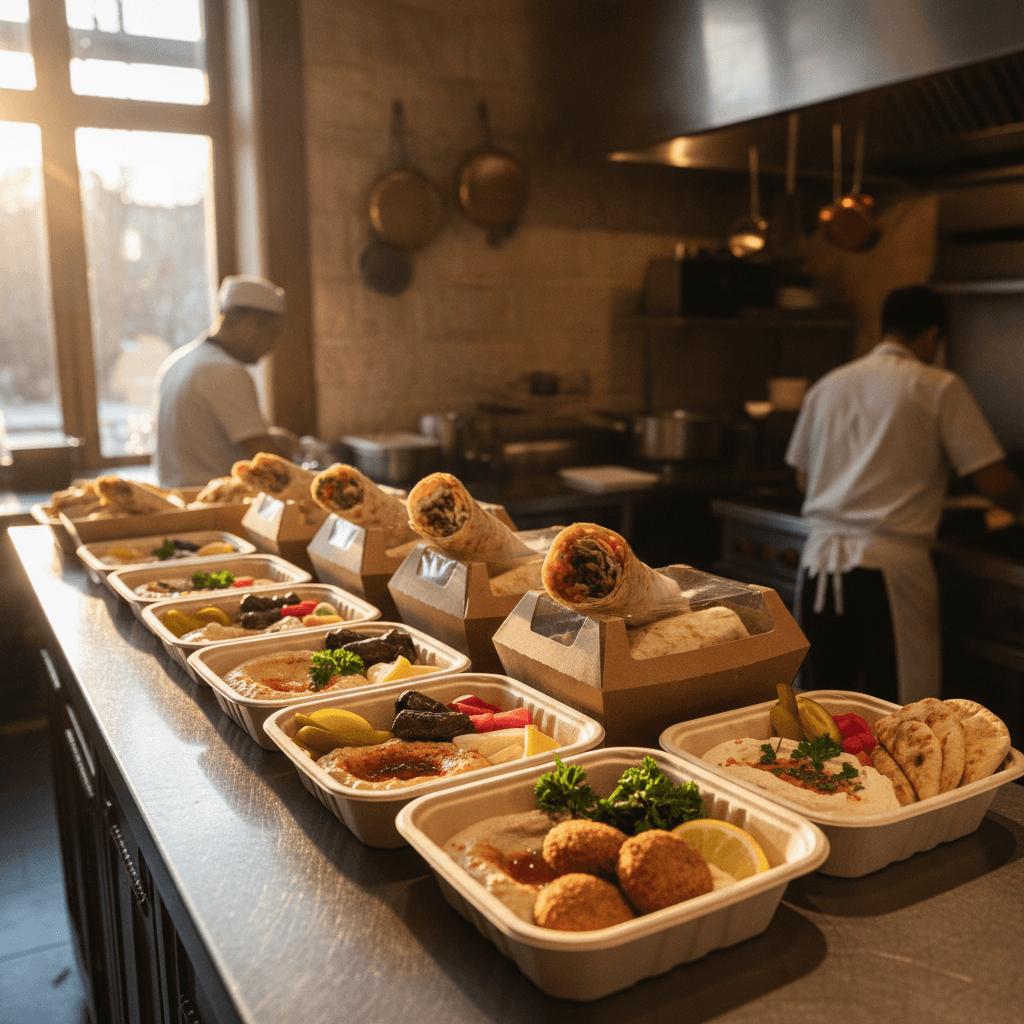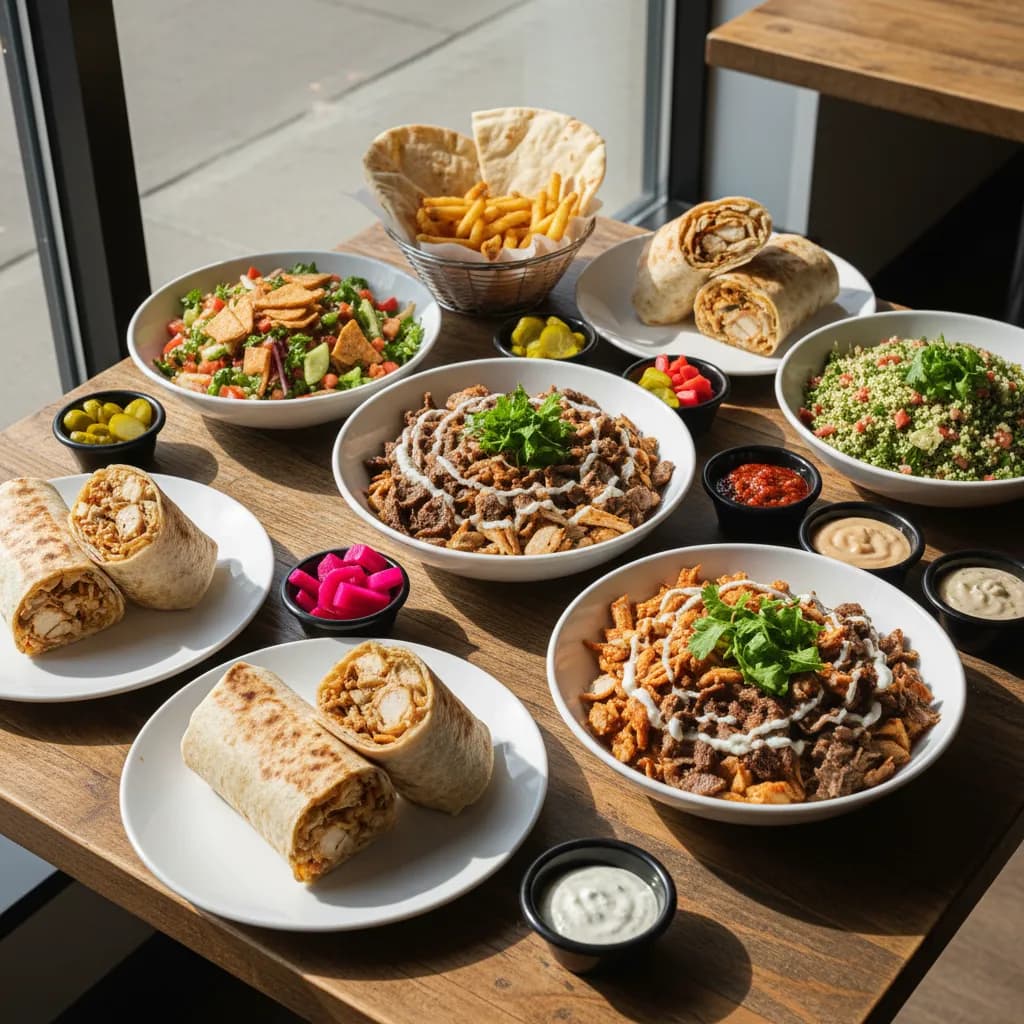
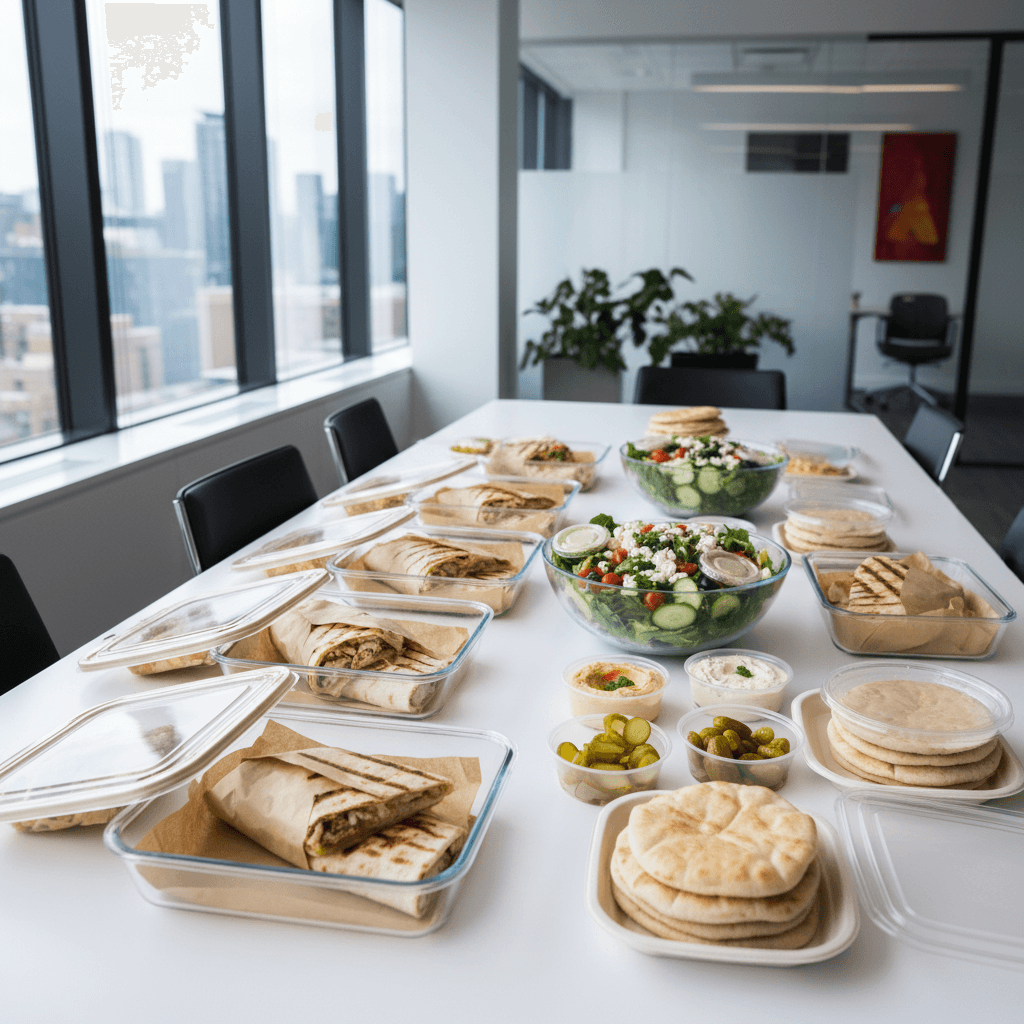
Rushing between meetings and delivery apps? An office lunch box plan can save hours every week while keeping your team fueled. This complete guide shows how Toronto teams use Mediterranean and Turkish-inspired boxes—from shawarma wraps to mezze—to simplify office meals. You’ll see how to plan, order, and serve right from 898 College St without slowing down your day.
Quick Answer
For a reliable office lunch box in Toronto, pre-select boxed shawarma and Turkish cuisine sets from Shawarma Moose (898 College St) and schedule pickup or delivery. Our online ordering and catering options make recurring team lunches simple, balanced, and fast—perfect for busy workdays.
At a Glance
- What you’ll learn: Office lunch box basics, menu frameworks, packing tips, and how to run weekly lunches that actually save time.
- Who this helps: Office managers, team leads, and event planners across Toronto who need dependable meals during workdays.
- How this guide is different: Practical, step-by-step office lunch systems grounded in authentic Turkish flavors and local logistics.
Table of Contents
- What Is an Office Lunch Box?
- Why Office Lunch Boxes Matter
- How an Office Lunch Box Program Works
- Types of Office Lunch Boxes and Setups
- Best Practices for Fresh, Fast Office Lunches
- Tools, Templates, and Resources
- Real-World Examples from Toronto Teams
- Pricing Considerations (Value Factors Only)
- FAQ
- Conclusion and Next Steps
What Is an Office Lunch Box?
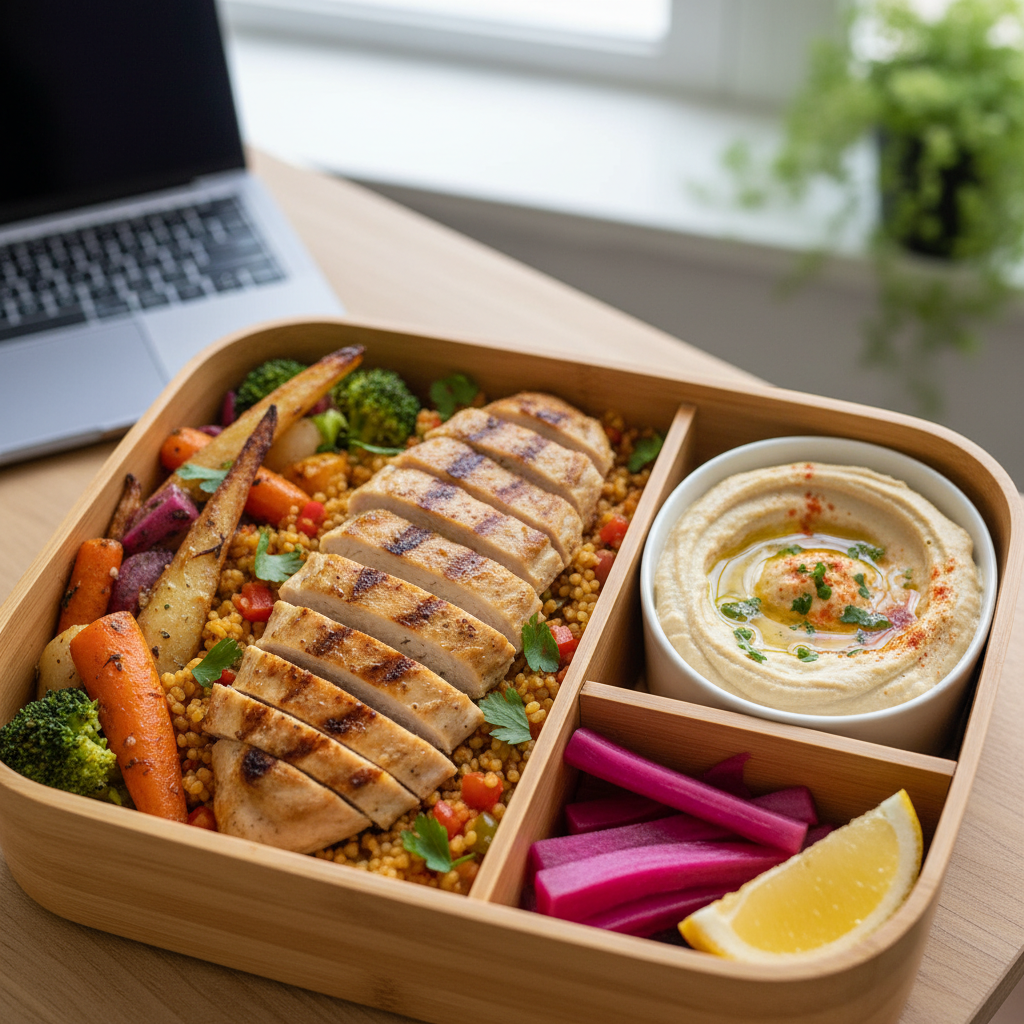
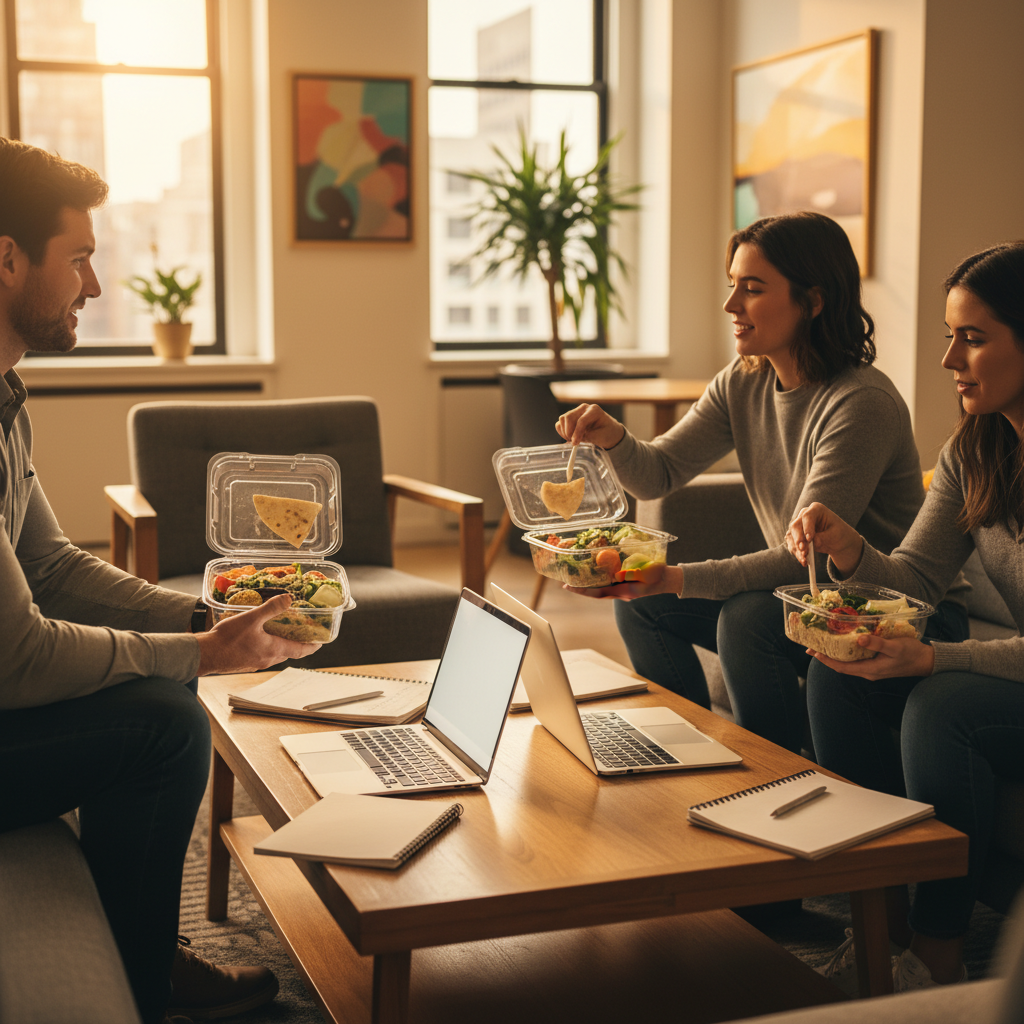
An office lunch box is a ready-to-eat, individually packaged meal designed for workplace convenience and nutrition. It should be easy to serve, easy to eat at a desk, and consistent week after week.
Core elements of a great office lunch box
- Balanced build: Protein (e.g., chicken shawarma), complex carbs (bulgur or rice), colorful vegetables, and a flavorful garnish (herbs, lemon).
- Fork-and-go format: Minimal mess, simple utensils, and spill-resistant packaging for desks and meeting rooms.
- Predictable options: Rotating choices that are familiar yet interesting—shawarma wraps, doner bowls, falafel boxes, mezze.
- Delivery-ready: Travels well from 898 College St to offices across Toronto without losing quality.
Why Turkish and Mediterranean flavors excel in lunch boxes
- Customizable by design: Mezze and shawarma bowls adapt to dietary needs (vegetarian, halal-aware choices, gluten-conscious approaches).
- Hold-well foods: Hummus, grilled meats, pickled turnips, and grains keep texture and flavor after short transit windows.
- Bright, satisfying flavors: Lemon, tahini, garlic, and herbs keep meals interesting without heavy sauces.
Office lunch box vs. ad hoc ordering
- Box model: Faster distribution, uniform nutrition, easier cleanup.
- One-off orders: Slower arrival, variable quality, longer decision time.
- Hybrid approach: Fixed core boxes with a few special orders for dietary needs.
Why Office Lunch Boxes Matter
Food decisions drain time. A solid office lunch box program puts meals on autopilot, helping teams focus on work while eating better.
Time saved every week
- Batch decisions: Choose once per week instead of daily debates.
- Fewer apps, fewer delays: Scheduled pickup or delivery reduces coordination overhead.
- Predictable arrival: Consistent drop windows align with meeting blocks.
Better energy and team morale
- Steady nutrition: Proteins, grains, and vegetables stabilize energy through the afternoon.
- Shared ritual: Teams bond over familiar, flavorful food traditions like shawarma boxes and mezze.
- Inclusive options: Vegetarian boxes and customizable bowls welcome everyone at the table.
Cleaner operations for office managers
- Simpler ordering: Use a single vendor and a set menu for repeatability.
- Standard packaging: Uniform boxes make room setup and cleanup quick.
- Documentation: Keep a simple order log and dietary tracker for transparency.
Local Tips
- Tip 1: If your office is along College Street or near the TTC 506 route, plan pickup from 898 College St 10–15 minutes before the hour to avoid streetcar bunching.
- Tip 2: Winter weather and summer events around Trinity Bellwoods and the Ossington strip can slow traffic—pad delivery windows on Fridays and during festivals.
- Tip 3: For Financial District and PATH drop-offs, request lobby contact details to speed sign-in; for Liberty Village, schedule before Gardiner rush between 3:30–6:00 pm.
IMPORTANT: These tips align with Shawarma Moose’s catering and online ordering model for efficient handoffs across Toronto.
How an Office Lunch Box Program Works
Here’s a streamlined playbook Toronto teams use to run lunch on time—without daily chaos.
1) Plan your 4-week rotation
- Week 1: Chicken shawarma box with bulgur, roasted veggies, hummus, pickles, lemon.
- Week 2: Falafel and veggie mezze with tahini, tabbouleh, lentil rice.
- Week 3: Doner bowl with salad, rice, garlic sauce, sumac onions.
- Week 4: Wrap + salad combo (shawarma or falafel) with herb dressing.
- Rotation note: Swap proteins for variety; keep the sides consistent for speed.
2) Lock logistics (pickup or delivery)
- Pickup flow: Assign a runner; use insulated totes; confirm order name and count at the counter.
- Delivery flow: Share access instructions, loading dock details, and floor number in the order notes.
- Timing: Set drop windows 20–30 minutes before your lunch start to allow setup.
3) Standardize setup and cleanup
- Staging area: One table for boxes, one for drinks and extras.
- Labeling system: Color-coded stickers or a simple printed roster by name/diet (kept private at the organizer’s desk).
- Cleanup kit: Recycling bin, compostable liners, spare napkins, and sanitizer wipes.
4) Repeat weekly with minimal edits
- Feedback loop: After lunch, capture three notes: portion fit, favorite item, any dietary gaps.
- Menu tweak: Adjust one element (e.g., swap bulgur for rice) rather than redesigning the box.
- Confirm next order: Reuse the previous week’s template; change counts as needed.
For a done-for-you option, explore our Toronto catering service for office lunch box planning, delivery windows, and on-site setup guidance.
Types of Office Lunch Boxes and Setups
Choose formats that match your team’s flow and room setup.
Individual boxed meals (most popular)
- What’s inside: Protein, grain, salad/veg, dip, and garnish.
- Best for: Training days, client meetings, hybrid teams.
- Advantages: Fast handout, fewer allergens mingling, easy to store.
Wrap-and-salad combos
- What’s inside: Shawarma or falafel wrap, side salad, and pickles.
- Best for: Desk lunches, walking meetings, short breaks.
- Advantages: One-hand friendly, simple utensils, great portion control.
Build-your-own (BYO) kits for small teams
- What’s included: Proteins, grains, salads, toppings, and sauces in small-group packs.
- Best for: 8–16 people who enjoy customization.
- Advantages: Accommodates mixed diets; fun and interactive.
Buffet style for all-hands
- What it looks like: Larger trays and a defined service line with signs.
- Best for: 25+ when space and time allow a quick line.
- Advantages: Scales fast, minimal packaging waste, easy seconds.
We break down buffet pros and setup steps in our buffet-style office catering guide if you’re planning a bigger meeting.
Comparison: Which format fits your day?
| Format | Speed | Diet Flexibility | Best Use Case |
|---|---|---|---|
| Individual Box | Fastest handout | Moderate (pre-ordered) | Trainings, client meetings |
| Wrap + Salad | Fast | Moderate | Desk lunches, sprints |
| BYO Kit | Medium | High | Small teams (8–16) |
| Buffet | Medium-fast (line) | High | All-hands (25+) |
Best Practices for Fresh, Fast Office Lunches
Small changes in packaging, timing, and labeling make a big difference on busy floors.
Packaging that works at the office
- Stackable containers: Fit neatly on a standard meeting table; reduce clutter.
- Moisture barriers: Keep dips like hummus separate from warm items to preserve texture.
- Fork-first design: Boxes you can eat with a fork reduce spills at keyboards and conference mics.
Timing and temperature
- Prime window: Schedule arrival 20–30 minutes before first bite for quick staging.
- Heat control: Use insulated totes for pickup; keep cold items shaded and sealed until serving.
- Leftover plan: Keep a mini-fridge spot or notify teams about grab-by time to reduce waste.
Dietary clarity without chaos
- Pre-collect preferences: Ask for veg/fish/meat and key allergies in a simple form.
- Consistent naming: “Shawarma bowl—no garlic sauce” is easy to label and find during handout.
- Reserve alternates: Always order 1–2 extra vegetarian boxes for surprises.
Tools, Templates, and Resources
Use these simple tools to keep your office lunch box program on rails.
Core tools to set up once
- Weekly order template: Names, counts by box type, delivery notes, and contact details.
- Dietary log: Private list of recurring needs (vegetarian, garlic-free, gluten-conscious).
- Staging checklist: Table layout, signage, napkins, utensils, and cleanup supplies.
Resources from Shawarma Moose
- Catering support: Our team can help finalize counts, packaging, and drop windows—start with our catering in Toronto page.
- Format guidance: For larger meetings, see our buffet-style office catering tips to decide between boxes and trays.
- Menu inspiration: Explore why local companies pick Turkish flavors in this short Toronto catering story.
Simple 10-minute ordering workflow
- Open last week’s order template and update headcount.
- Confirm box mix (meat/veg) and any swaps (rice vs. bulgur).
- Add access notes (lobby, suite, elevator code) and a callback number.
- Choose pickup or delivery window and confirm.
- Set a calendar reminder for setup 25 minutes before lunch.
Real-World Examples from Toronto Teams
Here are three office lunch box scenarios we see every week around the city.
1) Liberty Village product sprint (18 people)
- Goal: Keep sprint focus with a 20-minute lunch break.
- Format: Individual shawarma boxes (12 chicken, 4 falafel, 2 vegetarian alternates).
- Outcome: All boxes handed out in under 5 minutes; minimal cleanup; afternoon energy stayed steady.
- Tip: Schedule delivery before the Gardiner rush; leave a cart in the lobby for quick elevator trips.
2) Financial District client workshop (32 people)
- Goal: Serve quickly between 12:00–12:30 without breaking momentum.
- Format: BYO kits on two tables: proteins, grains, salads, toppings labeled by color.
- Outcome: Two short lines moved in 8 minutes; guests customized freely; two attendees with garlic sensitivity used a separate sauce station.
- Tip: Provide PATH/lobby contact info in advance to shorten security check-ins.
3) MaRS Discovery District training (54 people)
- Goal: Satisfy diverse diets for a long afternoon session.
- Format: Buffet trays plus a reserved stack of vegetarian and gluten-conscious boxes.
- Outcome: Buffet handled volume; individual boxes covered allergies; no one waited more than 6 minutes.
- Tip: Keep one table for sealed boxes to prevent cross-contact with buffet serving utensils.
Pricing Considerations (Value Factors Only)
No numbers here—just the value levers that shape your office lunch box plan.
What drives overall value
- Portion design: Balanced boxes reduce waste and unplanned second orders.
- Packaging choices: Sturdy, stackable containers save setup time (time is money on meeting days).
- Delivery windows: Hitting your exact 20–30 minute staging slot avoids late starts.
Factors to decide up front
- Frequency: Weekly vs. biweekly cycles change how you rotate menus and supplies.
- Format: Individual boxes vs. BYO vs. buffet for headcount and room constraints.
- Diet mix: Predictable ratios (e.g., 70% meat, 30% veg) streamline ordering.
Ways to maximize impact
- Standardize favorites: Keep 2–3 proven box builds and rotate sauces, herbs, and sides.
- Order in consistent batches: Easy to handle, track, and adjust over time.
- Use a single vendor: Reliability compounds—delivery notes, access, and dietary preferences get remembered.
Need a hand? Our team supports menu planning and logistics for recurring office lunches across Toronto. Explore Shawarma Moose catering or ask about rotating office lunch box sets.
FAQ
How do I start an office lunch box program if my team has mixed diets?
Begin with two core boxes—one meat (e.g., chicken shawarma) and one vegetarian (e.g., falafel mezze). Collect allergies up front, label boxes clearly, and keep 1–2 veg alternates on hand. BYO kits are excellent for mixed preferences when you have room for a short service line.
Is pickup or delivery better for Toronto offices?
Pickup works well if you’re close to 898 College St or have a staff runner with insulated totes. Delivery makes sense for larger headcounts or tighter timelines. Share lobby instructions, suite number, and a callback contact in the order notes for smooth handoffs.
What makes Turkish and Mediterranean boxes ideal for meetings?
They’re customizable, flavorful, and travel well. Hummus, grilled meats, seasoned grains, pickled vegetables, and herb-forward sauces keep texture and taste during short transit. The result: dependable quality when the food reaches your boardroom.
How far in advance should I place orders?
Once you know headcount, lock menus 24–48 hours ahead for recurring schedules. For bigger events, earlier notice helps with packaging, dietary alternates, and delivery windows. If timing is tight, call to confirm feasibility before finalizing.
Can I switch between boxes and buffet for the same event?
Yes. Many teams serve buffet for the general audience and hold a sealed stack of labeled boxes for allergies and stricter diets. This hybrid model keeps lines moving while protecting dietary needs.
Conclusion and Next Steps
- Lock a rotation: Set a 4-week office lunch box cycle with two core builds and simple alternates.
- Simplify logistics: Choose pickup or delivery and standardize your setup/cleanup checklist.
- Capture feedback: Adjust one element per week while keeping the core familiar.
Ready to take lunch off your plate? Plan a trial week and see how reliable boxes boost focus and morale. If you want support, our team at 898 College St can help you design and deliver a lunch program that fits your meetings, rooms, and flow across Toronto.
Key Takeaways
- Office lunch box programs reduce decision fatigue and save real time.
- Turkish and Mediterranean formats stay fresh, bright, and customizable.
- Standardized packaging, labeling, and timing keep meetings on track.