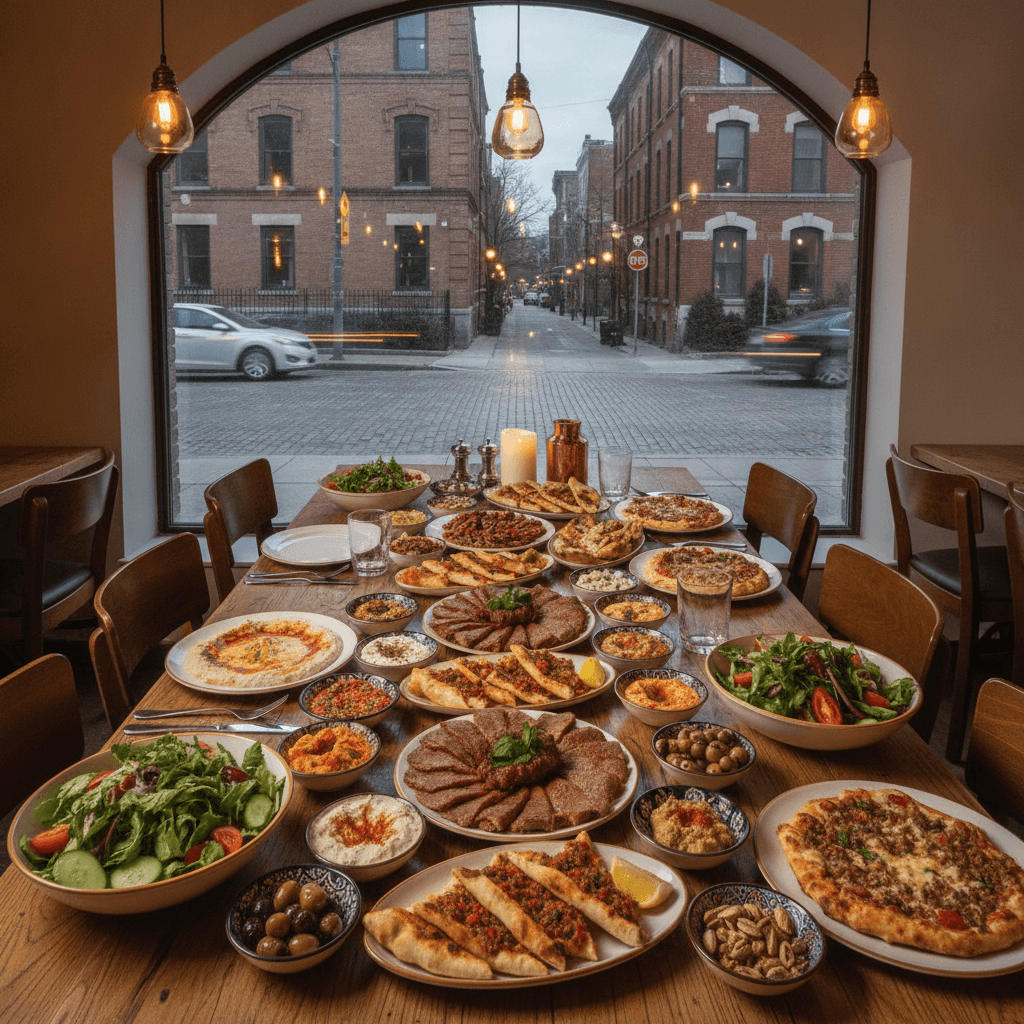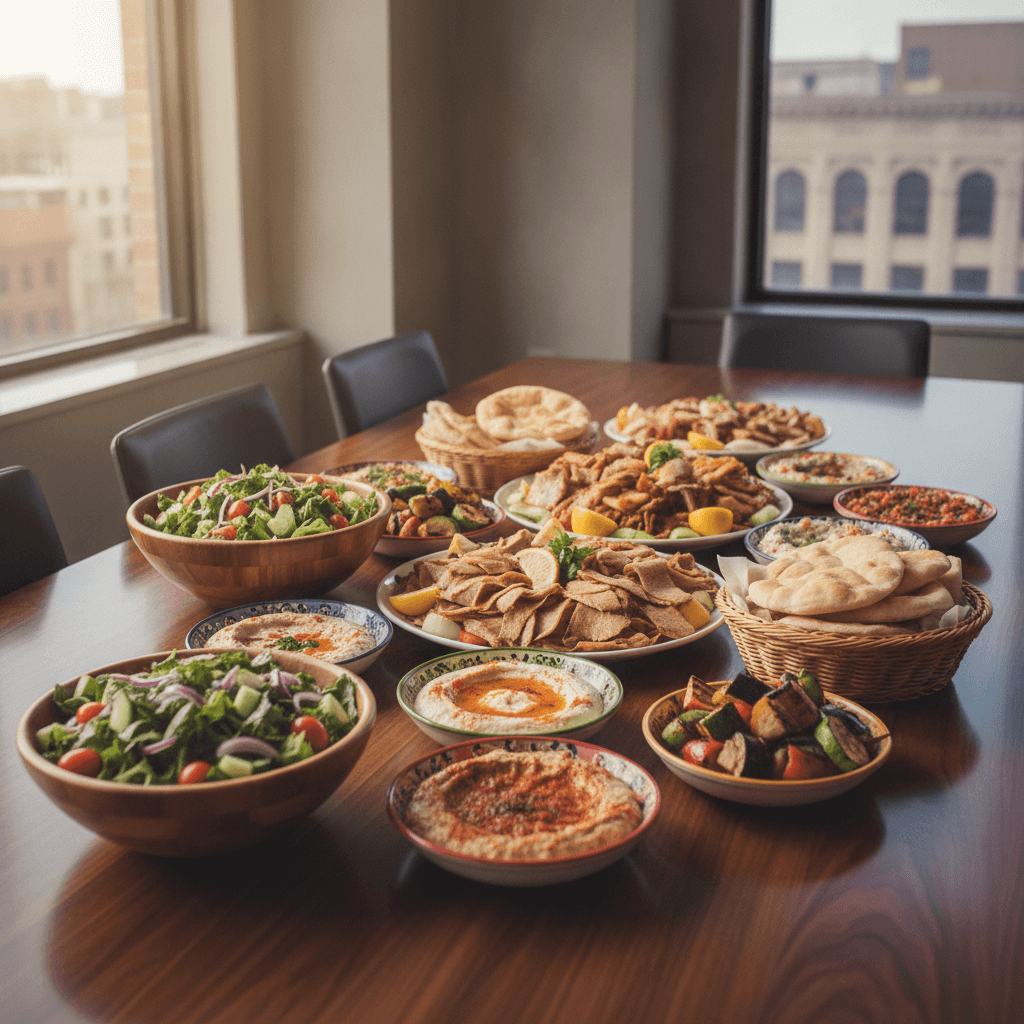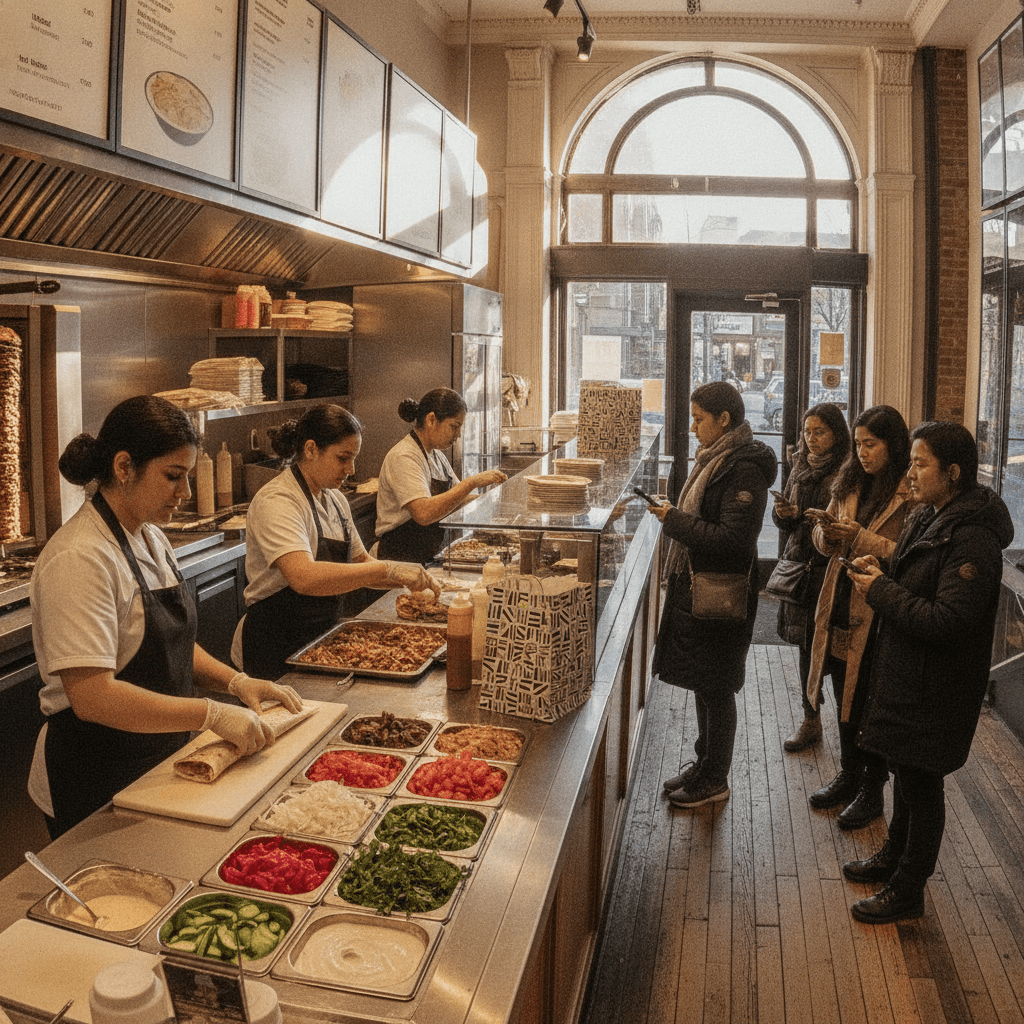
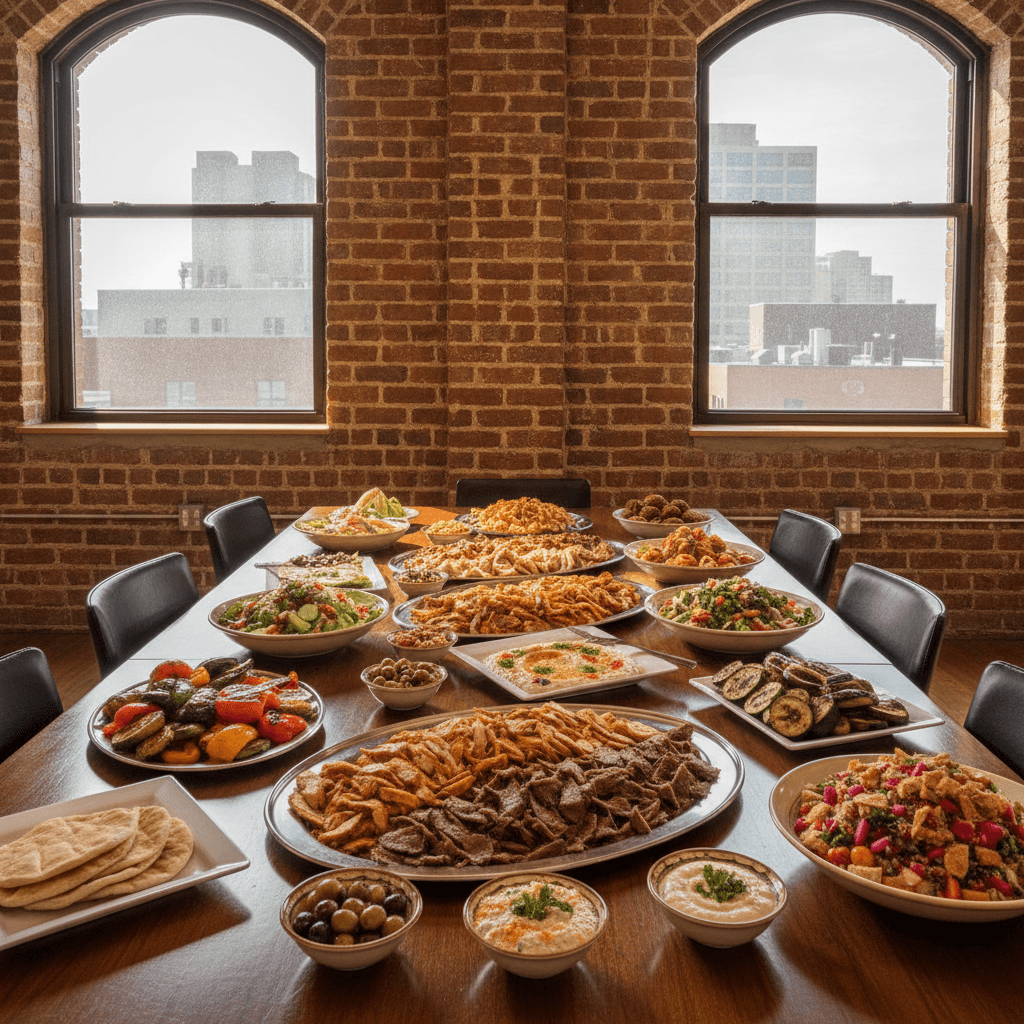
Corporate catering cost factors are the inputs that shape your final catering spend—headcount, menu complexity, service style, logistics, and dietary needs. In Old Toronto, these drivers determine portions, staffing, packaging, and delivery timing. Understanding them helps teams plan reliably, compare proposals fairly, and align food quality with meeting goals—without guesswork.
By Vinay Sandhu • Last updated: June 25, 2026
Quick Summary
The fastest way to budget corporate catering is to map five levers: headcount, menu depth, service style, logistics, and dietary accommodations. Lock the meeting time and delivery window first, then pick a menu format and estimate portions. Confirm packaging, serving gear, and allergen labeling before you finalize.
- Primary drivers: headcount accuracy, menu scope, service format, delivery and building access, dietary/allergen handling.
- Fast wins: consolidate entrees, choose buffet platters, and align portion sizes to the meeting length.
- Risk controls: pad timelines for loading docks/elevators, label allergens clearly, and pre-assign a receiver onsite.
- Shawarma Moose fit: authentic Turkish flavors, reliable corporate catering, and easy online ordering for delivery or pickup.
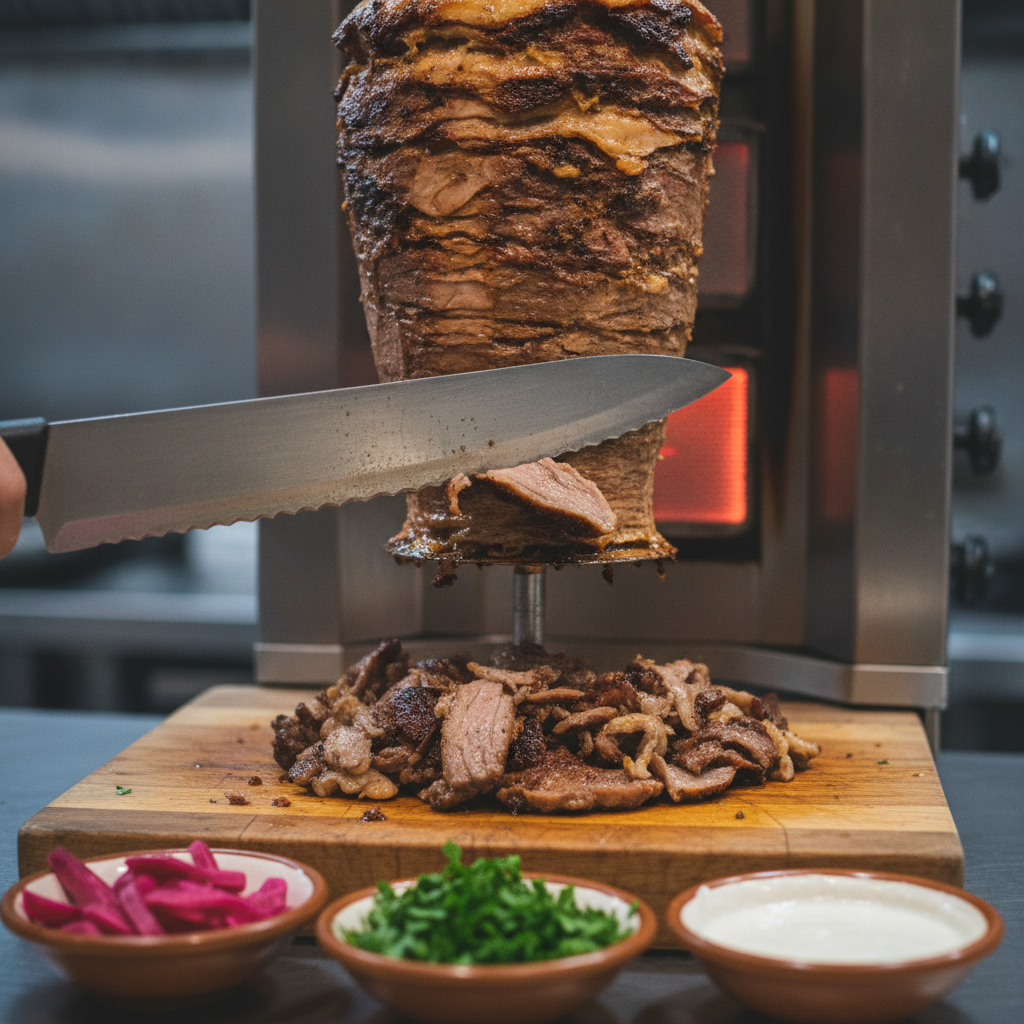
What Are Corporate Catering Cost Factors?
Corporate catering cost factors are the variables that influence a catering budget: attendance, menu complexity, service style, logistics, and dietary accommodations. Teams use these inputs to predict portions, packaging, staffing, and timing so food arrives on schedule, tastes great, and supports the meeting’s goals.
When we say “cost factors,” we’re not talking about prices—we’re defining the mechanics that push a budget up or down. These levers apply whether you order a shawarma buffet for 20 or a full Mediterranean spread for a town hall.
- Headcount certainty: RSVPs, buffer seats, and remote attendees affect portions and packaging counts.
- Menu depth: number of proteins (e.g., chicken shawarma, beef, falafel), sides, salads, and sauces.
- Service format: buffet platters, boxed lunches, build-your-own stations, or family-style trays.
- Logistics: delivery window, building access, elevators, meeting room distance, and setup needs.
- Dietary scope: halal, vegetarian/vegan, gluten-sensitive, nut-free, and cross-contact controls.
At Shawarma Moose, these inputs translate into concrete planning moves: portioning your proteins accurately, recommending platter vs. boxed formats, timing delivery to your lobby, and ensuring labels match the attendee list.
Why These Factors Matter for Corporate Events
These factors matter because they drive predictability, food quality, and guest experience. Clear inputs reduce waste, right-size portions, and streamline delivery. The result: on-time service, confident dietary coverage, and meals that keep meetings focused instead of distracted by logistics.
Here’s the thing: meetings are expensive in time and attention. Food should support outcomes, not steal the spotlight. When you manage the right levers, you deliver the exact calories, variety, and timing your agenda needs.
- Predictability: locked headcount and a simple menu ensure smooth ordering and accurate portions.
- Food quality: choosing formats that travel well (e.g., shawarma trays) preserves texture and temperature.
- Accessibility: labeled allergens and clear signage speed lines and minimize confusion.
- Focus: the right portioning prevents midday slumps; protein-forward bowls keep energy steady.
- Simplicity: one delivery, one setup plan, one onsite contact—less back-and-forth, fewer surprises.
In our experience supporting offices across Old Toronto, teams that define cost factors early get better food and less stress—especially when buildings have tight loading windows or security sign-in.
How Corporate Catering Budgets Work (Step-by-Step)
Effective corporate catering starts by fixing the meeting time and headcount, then selecting a service style and menu that travel well. From there, confirm dietary needs, packaging, delivery access, and onsite setup. Lock details 24–48 hours out to prevent last-minute changes.
Use this flow to build your plan quickly and reduce rework.
- Lock the meeting: date, time, agenda length, and any presenter breaks.
- Estimate attendance: create an A/B number (confirmed vs. expected) and a modest buffer.
- Pick a format: choose buffet-style platters, boxed meals, or build-your-own bowls.
- Draft a menu: balance proteins (chicken shawarma, beef, falafel), salads, carbs, and sauces.
- Capture diets: halal, vegetarian, vegan, gluten-sensitive, and allergies; map them to labeled items.
- Decide packaging: trays vs. boxes; eco options; serving utensils; tongs; gloves; napkins.
- Confirm logistics: lobby access, elevator timing, room distance, and a designated receiver.
- Place the order: use our corporate catering page or build-your-own catering.
- Finalize 24–48 hours out: freeze headcount, allergies, and delivery window.
- Day-of checklist: table space, signage, waste bags, recycling, hand sanitizer, and water.
Local considerations for Old Toronto
- Plan buffer time if your office is near Ossington during peak hours; street activity can slow curbside handoff.
- Outdoor lunches by Dufferin Grove Park? Choose insulated packaging and salads that hold well in warm weather.
- For older buildings, confirm elevator size and loading access—the right cart and tray sizes speed setup.
Service Styles and Menu Methods That Influence Spend
Your format—buffet platters, boxed meals, or build-your-own bowls—shapes packaging, labor, and waste. Buffets maximize variety and simplicity, while boxed meals offer grab-and-go control. Build-your-own stations boost engagement and accommodate diets without separate SKUs.
Each style has trade-offs. The goal is to match your agenda with a format that travels well, sets up fast, and fits your space. For shawarma-centric menus, warm proteins and crisp salads perform best when arranged in platters or bowls with clear labels.
| Service Style | Best For | Strengths | Watchouts |
|---|---|---|---|
| Buffet platters | 10–150 guests; ample table space | Fast setup; high variety; easy seconds; fewer packages | Needs serving utensils; line management for large groups |
| Boxed lunches | Training rooms; staggered breaks | Grab-and-go; clear dietary control; minimal setup | More packaging; risk of over-ordering specific SKUs |
| Build-your-own bowls | Mixed diets; interactive teams | Flexible portions; allergen separation; engaging | Requires signage; steady flow control |
| Family-style trays | Boardrooms; collaborative meals | Shared experience; fewer SKUs | Needs table space and utensils |
- Shawarma-forward menus: chicken and beef shawarma, falafel, rice, warm pitas, fattoush, tabbouleh, pickled turnips, and garlic sauce travel reliably.
- Labeling and layout: place proteins first, then grains/salads, then toppings/sauces; label allergens at eye level.
- Pickup vs. delivery: pickup suits nearby teams and flexible timelines; delivery fits tight agendas and limited staff.
- Packaging choices: eco trays and compostable cutlery reduce waste and simplify post-meeting cleanup.
For deeper menu planning ideas, see our corporate catering menu ideas or browse broader catering in Toronto options.
Best Practices to Control Spend and Elevate Value
Prioritize accuracy over abundance: lock headcount early, select a simple menu, and standardize portions. Choose travel-proof items, centralize sauces, and use clear labels. Confirm logistics and assign a receiver. These moves protect food quality and guest experience while controlling waste.
Right-size with portion rules
- Anchor on protein portions per person; supplement with salads and grains to satisfy varied appetites.
- Plan for seconds by reserving a small back-up tray rather than inflating every item.
- Schedule heavier meals for longer agendas; keep lighter for stand-ups and town halls.
Simplify menus to reduce complexity
- Consolidate to two proteins (e.g., chicken shawarma and falafel) plus one specialty item.
- Offer one universal salad (fattoush) and one premium add-on (tabbouleh) for interest.
- Keep sauces central—garlic, tahini, and hot sauce—to “customize without SKUs.”
Design for delivery and space
- Confirm door codes, security desks, and elevator timing; pre-register the driver if needed.
- Measure table length and layout trays in sequence to smooth flow.
- Use insulated carriers, then vent briefly on arrival to preserve texture.
Protect dietary confidence
- Maintain a labeled vegetarian/vegan path (falafel bowls, roasted vegetables, hummus, salads).
- Use separate tongs for allergen-prone trays and keep sauces in lidded containers.
- Display a concise allergen card at the front of the line.
We’ve found that teams who standardize these moves enjoy smoother setups, fewer leftovers, and strong employee feedback on food quality.
Tools and Resources for Smoother Planning
Use a one-page intake form, a portioning guide, and a simple run-of-show. Centralize dietary data, delivery instructions, and a contact phone. Then place your order through a reliable portal and freeze details 24–48 hours before your event.
- Intake template: meeting title, headcount A/B, format, menu picks, dietary notes, delivery window, receiver info.
- Portioning guide: proteins, sides, salads, sauces per person; add a modest buffer instead of guessing.
- Run-of-show: driver arrival, cart to room, setup sequence, line start, cleanup, waste/recycling plan.
- Ordering: place orders via our corporate catering page or explore event planning tips.
- Menu design help: browse corporate lunch ideas for seasonal inspiration.
For planning context and industry norms, insights from LunchLink’s catering guide outline common office formats and coordination tips at a regional level. These patterns align well with Old Toronto office operations.
Case Studies: Old Toronto Teams, Real Scenarios
Real-world corporate orders show how format, menu, and logistics shape outcomes. By aligning portions with agenda length and mapping delivery access, teams improved on-time setup, food quality, and attendee satisfaction—without over-ordering.
Quarterly all-hands with mixed diets
A growing team in Old Toronto hosted a 90-minute all-hands. We recommended buffet platters centered on chicken shawarma and falafel, fattoush and tabbouleh, rice, warm pitas, and sauces.
- Cost factor focus: simplified proteins and centralized sauces minimized SKUs.
- Logistics: pre-registered delivery; elevator timing scheduled to avoid lobby congestion.
- Outcome: smooth 10-minute setup, steady line flow, and enthusiastic feedback on authenticity.
Training day with staggered breaks
For back-to-back sessions, boxed lunches protected timing. We labeled vegetarian boxes clearly and used a separate stack for gluten-sensitive attendees.
- Cost factor focus: menu depth reduced; clear labeling avoided last-second repacks.
- Logistics: two smaller deliveries timed to session changes prevented crowding.
- Outcome: trainers stayed on schedule; no missing meals or confusion at handoff.
Leadership offsite with interactive lunch
Build-your-own bowls added engagement. Warm proteins, grains, greens, toppings, and sauces were arranged in a logical sequence with small table cards.
- Cost factor focus: variety delivered via toppings, not additional entrees.
- Logistics: compact U-shaped layout reduced line bottlenecks in a smaller room.
- Outcome: positive feedback on customization and freshness; easy seconds without new SKUs.
Patterns like these reflect broader office-catering norms shared by LunchLink’s office guides, especially on streamlining formats and labeling for dietary clarity.
Pricing vs. Value Signals (Without Numbers)
Evaluate value using non-price signals: menu integrity after travel, clear dietary labeling, logistics reliability, and responsive coordination. The best partners protect meeting time and guest experience, not just food.
- Travel integrity: proteins remain tender; salads stay crisp; sauces arrive sealed and organized.
- Labeling confidence: allergens and diets are unmistakable; lines move quickly.
- Logistics readiness: drivers know building procedures; gear fits elevators and hallways.
- Coordination quality: confirmations are timely; changes are acknowledged; expectations are clear.
- Menu fit: authentic flavors align with your team’s palates; no filler items to pad volume.
Shawarma Moose emphasizes authenticity and convenience—two signals that consistently predict positive feedback in post-event surveys across Old Toronto offices.
How to Compare Corporate Catering Proposals
Normalize proposals by aligning on headcount, menu items, service style, packaging, delivery window, and dietary coverage. Then review travel integrity and labeling. Comparing like-for-like eliminates surprises and elevates food quality.
- Fix headcount and buffer: ensure all proposals quote the same numbers.
- Standardize menu: two proteins, two salads, grains, pitas, and three sauces as a baseline.
- Choose format: buffet vs. boxed; name it the same way across vendors.
- Lock logistics: identical delivery windows and access notes; one onsite contact.
- Confirm diets: list labeled vegetarian/vegan/gluten-sensitive paths.
- Assess presentation: photos, packaging materials, and any setup guidance provided.
For additional comparison tips at a regional level, LunchLink’s boardroom-to-BBQ guide outlines common office expectations you can adapt to your team cadence.
Pickup vs. Delivery: Which Fits Your Team?
Choose pickup when your office is nearby and schedules are flexible. Choose delivery when time is tight, headcount is large, or access is complex. Delivery also ensures insulated transport and setup help when needed.
- Pickup advantages: maximum timeline control; cost-effective packaging choices; immediate handoff to your team.
- Delivery advantages: focused agenda; no staff pulled off-task; gear sized for elevators and hallways.
- Hybrid: pick up ambient items (cutlery, sauces) and schedule hot items for delivery minutes before service.
Many Old Toronto teams mix both approaches for large schedules and building constraints. Our catering in Toronto page covers options for each path.
Sustainability and Waste Reduction Without Sacrificing Experience
Reduce waste with reusable serving gear where possible, consolidated sauces, and compostable packaging. Right-size portions, offer water stations over bottled drinks, and place recycling and organics bins near the line to guide responsible disposal.
- Packaging: choose compostable trays and minimal plastics; consolidate sauces in portion bowls.
- Portions: align to agenda length; offer light seconds via a small reserve tray.
- Setup: stage recycling and organics bins at the end of the line with clear signage.
- Menu design: favor items with high travel integrity to prevent plate waste.
We routinely help Old Toronto offices balance sustainability and experience by pairing travel-proof shawarma proteins with crisp salads and smart packaging layouts.
Event Timelines and Checklists Teams Actually Use
Create a simple, time-stamped run sheet: driver ETA, elevator slot, room setup, line open, mid-service check, and cleanup. Pair it with a packing list—utensils, tongs, gloves, napkins, hand sanitizer, and waste bags—to avoid last-minute errands.
- 72–48 hours: freeze headcount, diets, and delivery window; finalize menu and format.
- 24 hours: confirm receiver’s phone; print allergen cards; clear table space.
- Day-of: meet driver at lobby; direct cart to room; stage trays in logical order.
- Post-event: pack leftovers safely; sort recycling/organics; note learnings for next time.
Grab practical inspiration from our event catering menu options and adapt the lists to your meeting rhythm.
Plan your next corporate order
Ready to map your headcount and menu? Explore our corporate catering options or customize a build-your-own package. Authentic Turkish flavors, delivered or ready for pickup.

Frequently Asked Questions
These quick answers address planning details, formats, and dietary coverage so teams can finalize orders confidently—without digging through long emails or spreadsheets.
What’s the best service style for mixed dietary needs?
Build-your-own bowls or buffet platters work best. Keep vegetarian and gluten-sensitive paths clearly labeled, use separate tongs, and centralize sauces. This keeps lines moving and reduces one-off box SKUs.
How far in advance should I finalize headcount?
Freeze numbers 24–48 hours before service. This window helps portion accurately, prep labels, and time delivery. Last-minute swings often lead to over-ordering or shortages.
What travels best for a 60–90 minute meeting?
Shawarma proteins, rice, warm pitas, crisp salads, and sealed sauces. Arrange trays in a logical order, vent briefly after transport, and provide clear allergen labels to speed the line.
Should we choose pickup or delivery for a tight schedule?
Delivery. It preserves meeting time, ensures insulated transport, and brings the right carts and gear for your building. Use pickup when timelines are flexible and your office is close.
Conclusion and Next Steps
Map five levers—headcount, menu depth, service style, logistics, and dietary scope—to plan with confidence. Choose a format that travels well, label clearly, and lock details early. Your meetings stay on time, and your team eats well.
Key takeaways
- Start with meeting time and accurate headcount; choose a format that fits your room and agenda.
- Keep menus focused; centralize sauces to support diets without multiplying SKUs.
- Confirm delivery access, assign a receiver, and stage trays for smooth flow.
- Evaluate partners by travel integrity, labeling clarity, and coordination—not just food photos.
When you’re ready, order through our corporate catering page or explore buffet-style office catering. Authentic Turkish flavors, right here in Old Toronto.