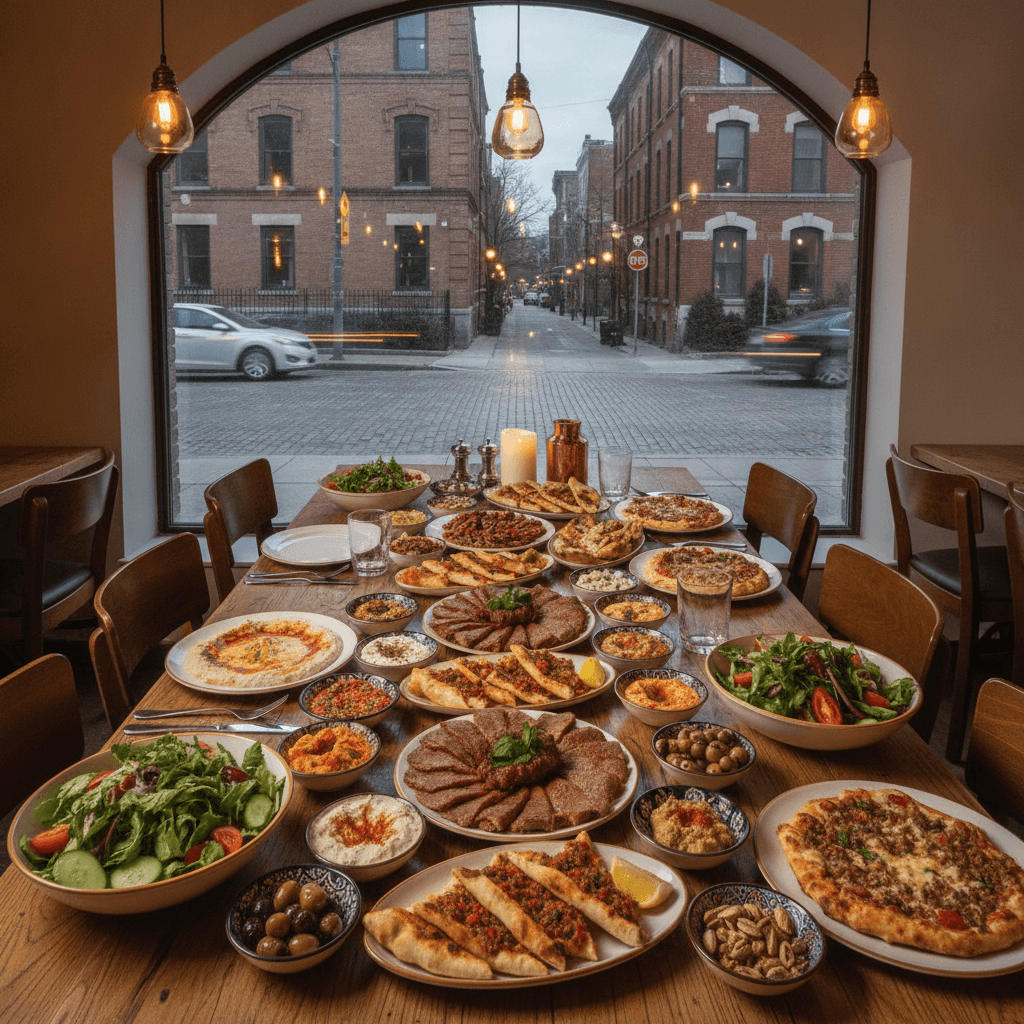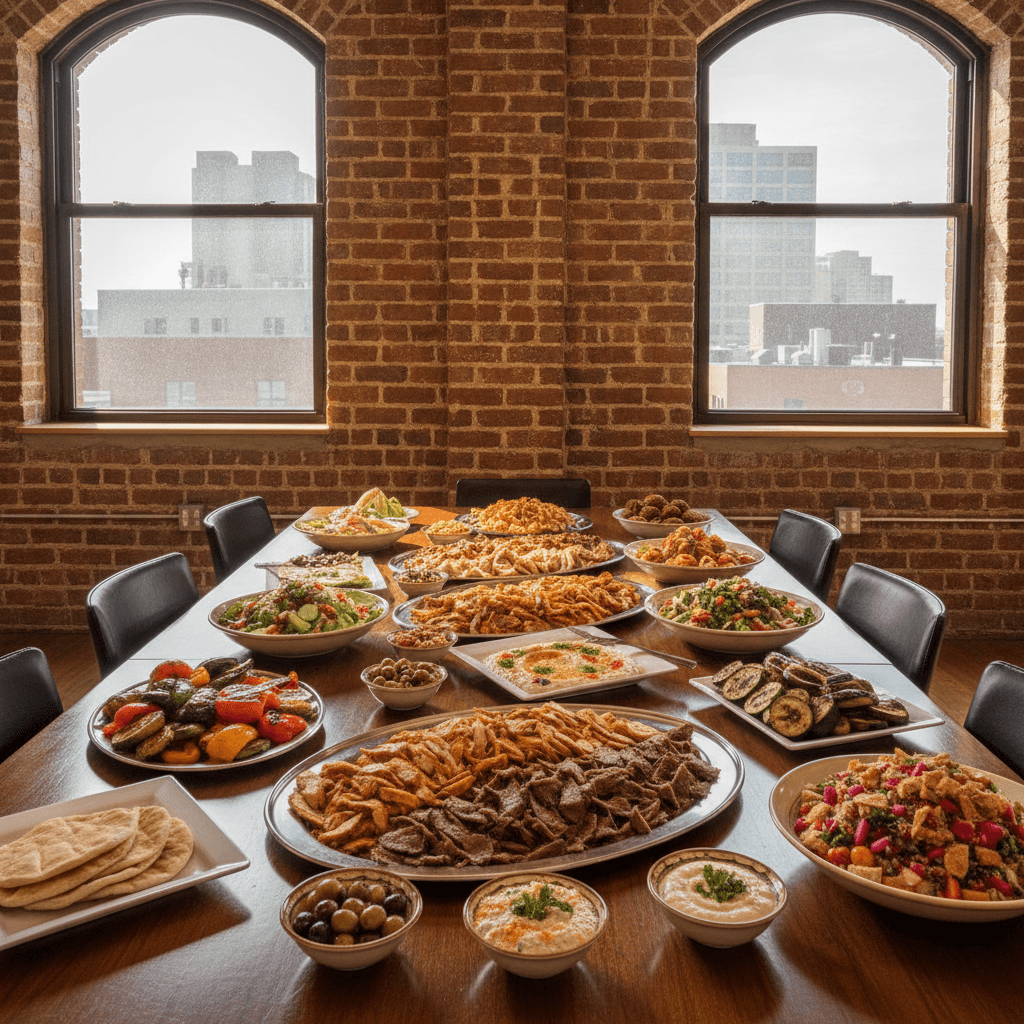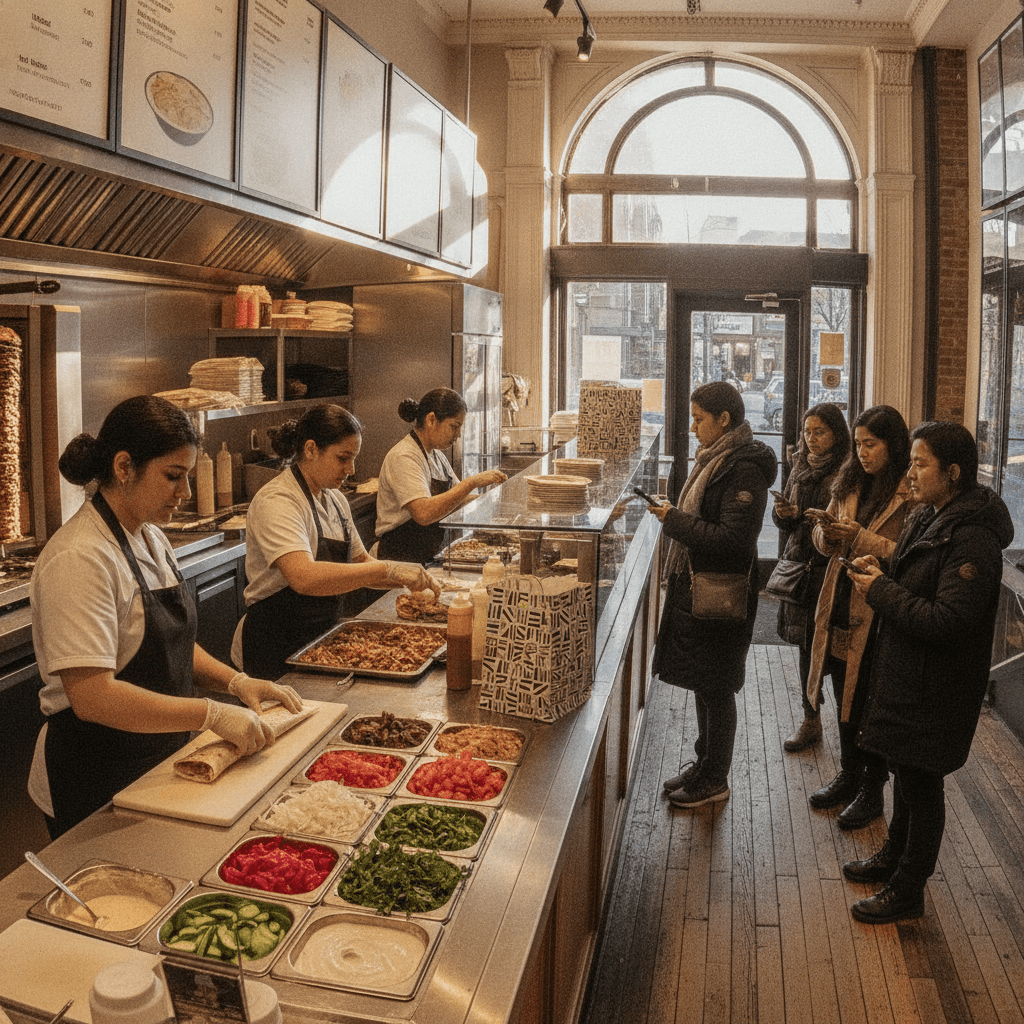
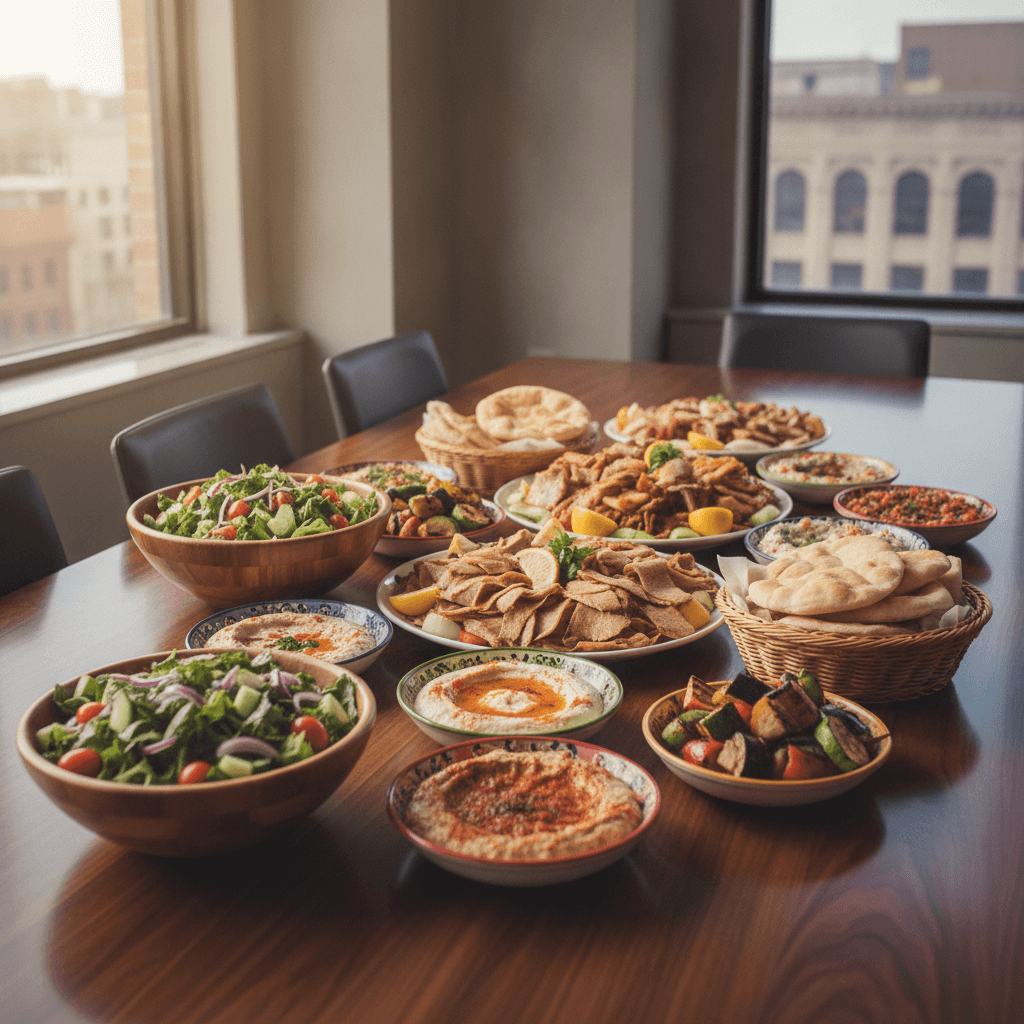
Turkish food for office lunch is a practical, flavorful way to feed teams in Old Toronto with shawarma, meze, salads, and warm breads that travel well. It delivers variety for mixed diets, keeps energy steady for meetings, and scales from 10 to 150 guests with pickup, delivery, or full-service catering.
By Shawarma Moose • Last updated: 2026-06-26
Above the Fold: Hook, Summary, and Table of Contents
Turkish office lunches combine lean proteins, vibrant meze, and soft breads that hold heat and texture in transit. Choose a format that matches your agenda, label clearly for diets, and time delivery for quick setup. This guide covers planning, menus, logistics, and examples tailored to Old Toronto teams.
Here’s what you’ll learn in minutes, not hours:
- Menu frameworks that scale from 10 to 150 people without guesswork
- How to balance proteins, meze, grains, and salads for steady midday energy
- Labeling, timing, and setup flows that reduce meeting downtime
- Inclusive options (halal, vegetarian, vegan, gluten‑conscious) built into Turkish menus
- Real Old Toronto examples and a reusable coordinator toolkit
Jump to a section:
- What is Turkish food for office lunch?
- Why Turkish lunch matters for teams
- How it works with Shawarma Moose
- Turkish food for office lunch: menu planner
- Types of setups (boxed, platters, bars)
- Best practices for freshness and flow
- Tools and resources for coordinators
- Case studies and examples
- Ordering, logistics, and labeling
- Food safety and allergen management
- FAQ
- Conclusion + next steps
What is Turkish food for office lunch?
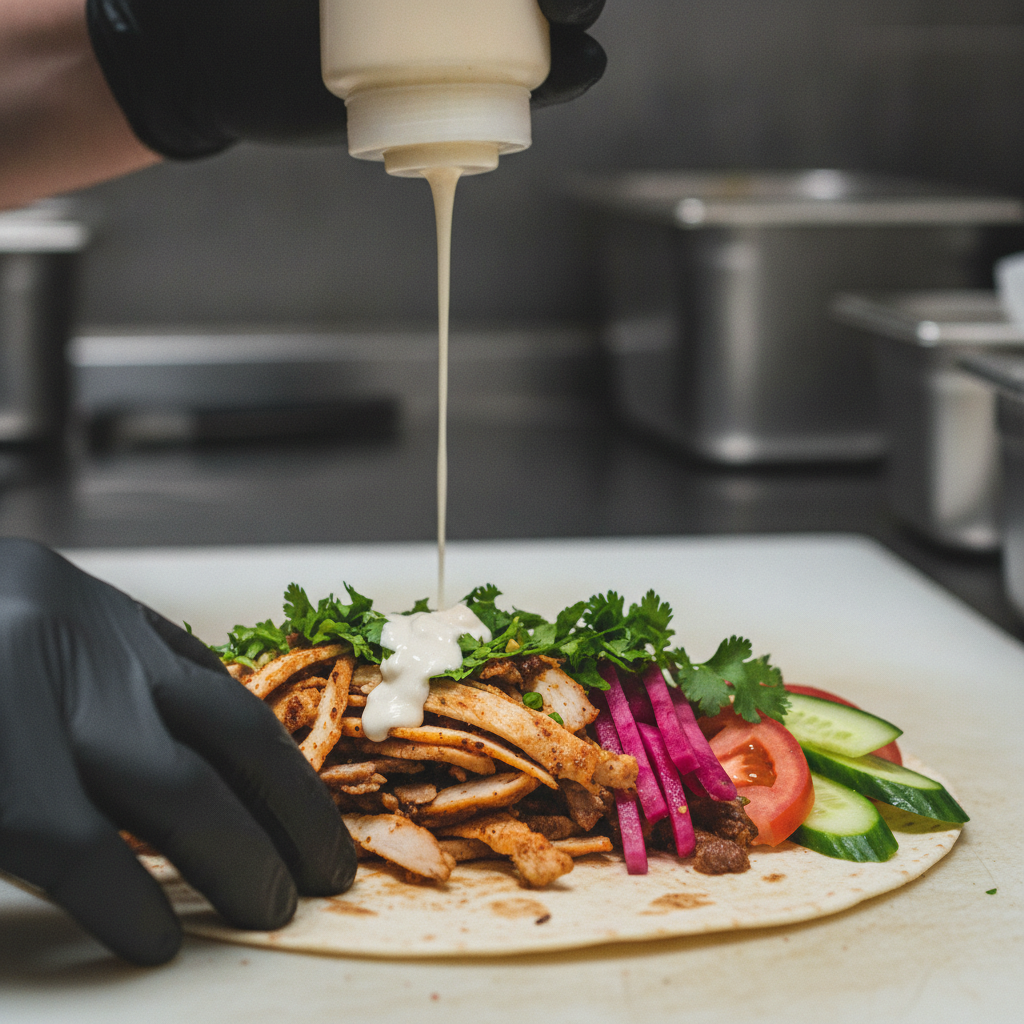
Turkish food for office lunch is a catering style built around shawarma (döner), meze, hearty salads, and warm breads that keep quality through transport. It supports fast service, easy dietary accommodations, and consistent portioning—ideal for meetings, workshops, and recurring team lunches.
At its core, an office-ready Turkish menu balances protein, fiber, and freshness. That means sliced shawarma (chicken, beef, or mixed) for 4–6 ounces per person; meze like hummus, baba ghanoush, ezme, and labneh for color and texture; salads such as shepherd’s salad and tabbouleh; and breads—pita or lavash—opened right before service.
Because items are naturally modular, coordinators can run three service modes with minimal friction: boxed sets for heads‑down sessions, platters for social lunches, and build‑your‑own bars for town halls. Each can be labeled by diet and staged in under 15 minutes.
Why Turkish lunch matters for teams
Teams engage better when lunch checks three boxes: nutrition, variety, and predictability. Turkish menus deliver lean proteins, legumes, and vegetables; 8–12 toppings for personalization; and reliable timing that keeps the agenda on track. The result: fewer mid‑afternoon slumps and smoother meetings.
Nutrition drives focus. Lean shawarma with legumes and salads supports steady energy over 90–120 minutes—long enough for most meetings. Variety prevents “order fatigue.” With 8–12 toppings and 3–4 sauces, employees craft wraps that feel new each week without starting from scratch.
Predictability reduces friction. When coordinators know setup is ~10–15 minutes and portions are 4–6 ounces of protein plus 1–1.5 cups of sides per person, invites and calendars get tighter—and meetings start on time. Clear halal, vegetarian, and gluten‑conscious labels reduce hallway questions.
How Turkish office lunch works with Shawarma Moose
Lock your headcount, choose a service format, map diets, and confirm the delivery window. Shawarma Moose portions proteins and sides, labels allergens, and delivers or sets up in Old Toronto. Most teams are eating within 10–15 minutes of arrival, even in tight office spaces.
- Headcount + time block: Confirm the attendee range and hold a 60–90 minute window; buffer 10 minutes for setup.
- Choose format: Boxed meals for speed, platters for collaboration, or a build‑your‑own bar for engagement.
- Dietary map: Note halal, vegetarian, vegan, gluten‑conscious, and dairy‑conscious needs; plan 10–20% vegetarian by default.
- Space plan: Use a conference table, kitchen island, or a hallway credenza with a one‑way traffic flow.
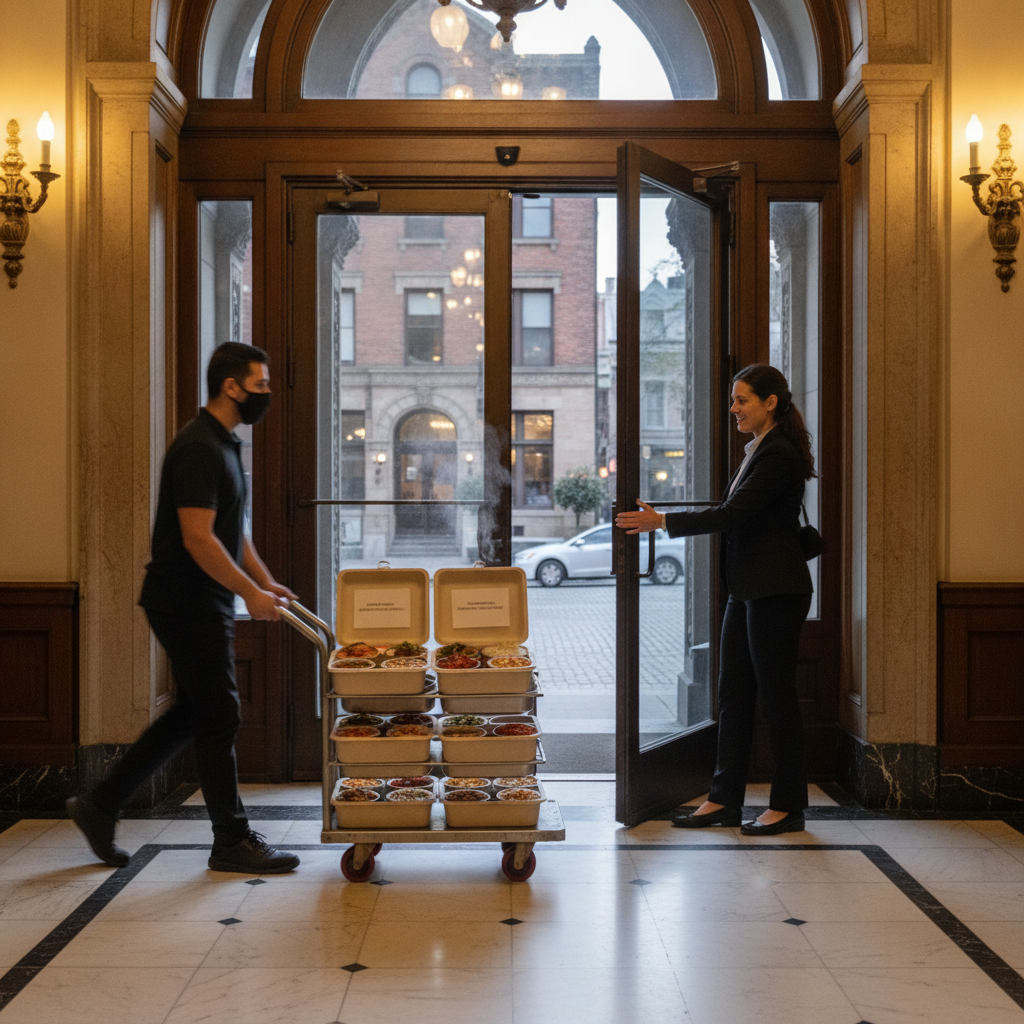
- Delivery + setup: Confirm elevator access and a lobby contact; stage hot items covered and meze chilled.
For recurring lunches, save a standard order so future bookings take two minutes. Many teams combine a rotating protein (e.g., chicken, then beef) with a fixed meze set to balance novelty and predictability.
Local considerations for Old Toronto
- For lunchtime events near Dufferin Grove Park, align delivery with building access windows and any freight elevator schedules.
- Fridays can be busier around Dufferin Mall; add a 10–15 minute buffer for courier handoff and lobby sign‑ins.
- Assign a standing building contact for recurring orders to streamline security and loading procedures.
Turkish food for office lunch: menu planner and pairing guide
Plan 4–6 ounces of shawarma per person, two meze per 10 guests, one salad per 8–10, and breads opened just before service. Add 3–4 sauces, fresh herbs, and pickled turnips for brightness. This simple ratio keeps lunch flavorful, inclusive, and easy to repeat.
Core building blocks
- Proteins (4–6 oz pp): Chicken shawarma, beef shawarma, or a 50/50 mix.
- Meze (2–3 per 10): Hummus, baba ghanoush, ezme, labneh; portion 2–3 tablespoons per person.
- Salads: Shepherd’s salad, tabbouleh, or bulgur with parsley and lemon.
- Breads: Warm pita or lavash; offer lettuce cups for gluten‑conscious guests.
- Finishers: Tahini, garlic sauce, sumac onions, pickled turnips, fresh herbs.
Example scaling: For 30 attendees, plan ~9–11 pounds of combined protein, three meze trays, three salads, and two bread baskets that you open at minute zero. Keep sauces in squeeze bottles to reduce mess and speed up the line.
For beverages, pair still and sparkling water plus a citrus option. If timing spans 90+ minutes, stage a second wave of greens so leaves stay crisp and inviting.
Types of Turkish office lunch setups
Match the format to your agenda. Boxed meals move fastest, platters encourage collaboration, and build‑your‑own bars create interaction. All three run on the same portions and labels; the main differences are setup time, dietary control, and the feel of the room.
| Format | Best for | Setup time | Dietary control | Notes |
|---|---|---|---|---|
| Boxed meals | Heads‑down work, client travel | Under 5 min | High | Label by name or diet |
| Platters | Team lunches, Q&A | ~10 min | Medium | Fast service, shared sides |
| Build‑your‑own bar | Town halls, socials | 10–15 min | High | Interactive, great photos |
| Grazing meze board | Networking | ~8 min | Medium | Continuous snacking |
In our experience, teams that alternate formats every two to three weeks report higher engagement. For example, rotate boxed (week 1), platters (week 3), and a meze board (week 5) to keep interest without complicating logistics.
Best practices that protect freshness and flow
Use simple ratios, clear labels, and a one‑way line. Keep hot items covered, chill meze until service, and open breads last. Label vegetarian, vegan, halal, and gluten‑conscious up front. With these basics, most teams start eating within 10–12 minutes of arrival.
Portions and timing
- Plan 4–6 ounces of protein per person and 1–1.5 cups of sides.
- Stage hot trays covered; uncover when the first 6–8 guests line up.
- Open pita at the final minute to keep it soft and warm.
Line flow and signage
- Station order: proteins → toppings → sauces → breads → beverages.
- Place diet labels at tray fronts; use color‑coded stickers for speed.
- Reserve a small vegetarian section with its own tongs to avoid cross‑contact.
Leftovers and resets
- Seal remaining trays within 20 minutes after service ends.
- Hold meze chilled; re‑plating takes two minutes for latecomers.
- Log what ran out first to tune the next order.
A quick post‑event note helps. Track attendance delta (invited vs. fed), the most popular toppings, and whether sauces finished early. A 5–10% buffer usually covers late additions without big leftovers.
Tools and resources for coordinators
Save a base order, keep a dietary checklist, and use a delivery note with the load‑in path. With one template and a saved profile, most recurring Turkish lunches become a two‑minute task—review headcount, confirm time, and you’re done.
- Dietary checklist: halal, vegetarian, vegan, gluten‑conscious, dairy‑conscious, sesame‑aware.
- Saved order profiles for recurring meetings and standing invites.
- Delivery note: entry point, elevator, security desk instructions, onsite contact.
- Post‑event log: attendance delta, popular proteins, leftover notes, feedback highlights.
For deeper planning ideas, see our guide to corporate lunch catering and our playbook on shawarma delivery for work lunch. If you prefer interactive stations, our build‑your‑own catering option keeps lines moving with minimal setup.
Coordinator pro tip: Keep squeeze bottles for tahini and garlic sauce at opposite ends of the line. It halves bottlenecks and cuts average wait time by roughly 30–45 seconds per guest.
Case studies and menu examples
Different meetings need different menus. These Old Toronto scenarios show portioning, setup, and timing that work. Each highlights a format, dietary mix, and quick result—so you can copy what fits your team without trial and error.
20‑person sprint review (boxed)
Setup: 20 boxed shawarma wraps with mixed proteins, sealed sauces, and name/diet labels. Timing: 7 minutes from arrival to first bite. Result: Zero lineups; engineers kept laptops open and stayed on agenda.
- Protein mix: 60% chicken, 40% beef.
- Diets: 20% vegetarian boxes with grilled veg and labneh.
- Notes: Labeled tahini (sesame) and garlic (dairy) on the sleeve.
45‑person all‑hands (platters)
Setup: Two protein platters, four meze trays, three salads, bread baskets. Timing: first plate at minute 11; full service in 18 minutes. Result: social atmosphere, easy seconds, minimal leftovers.
- Line flow: proteins → toppings → sauces → breads → beverages.
- Buffer: 10% vegetarian portions (ran out at minute 16; plan +5 next time).
- Labeling: color stickers—green (veg), blue (halal), yellow (gluten‑conscious).
Hybrid drop‑ins (grazing meze)
Setup: Lobby meze board with hummus, baba ghanoush, ezme, olives, and pita. Timing: staged across 120 minutes with two micro‑resets. Result: steady foot traffic and informal chats between remote and onsite staff.
- Proportion: 2 tablespoons of meze per person per hour.
- Resets: swap in fresh greens at the 50‑minute mark.
- Tip: keep pita wrapped; open new sleeves every 20 minutes.
Ordering, delivery logistics, and labeling
Order 24–48 hours ahead for standard meetings; book early for larger town halls. Confirm the delivery path and lobby contact, then label trays by diet. With one saved order and a standard note, repeating lunches becomes simple and fast.
Most coordinators finalize headcount the day before at noon. That keeps portions accurate—especially for vegetarian and gluten‑conscious counts—and helps couriers route drop‑offs. In buildings with busy security desks, a single contact number saves minutes per delivery.
When you’re ready, explore our corporate catering options or browse event catering in Toronto. For third‑party perspectives on workplace food trends, see these roundups of office catering in Toronto, healthy office lunch ideas, and halal corporate catering.
Food safety and allergen management
Keep hot foods hot and cold foods cold, label common allergens, and separate utensils by diet. Hold meze chilled until service, cover hot trays, and open breads last. Simple controls prevent cross‑contact and preserve flavor and texture.
Allergen clarity matters for sesame (tahini), dairy (labneh, garlic sauce), and gluten (pita, lavash). Use separate tongs for vegetarian trays and keep a small, clearly labeled gluten‑conscious area with lettuce‑cup wraps. For timing, aim to serve within 10–15 minutes of arrival so temperatures stay in the ideal window.
Leftover handling is straightforward. Seal trays promptly and refrigerate within two hours. For late meetings, stage smaller second‑wave portions so quality stays high and waste stays low.
Soft CTA: Planning a lunch for 25–75 people? We’re set up for it. See our team‑lunch picks or start an order with our build‑your‑own bar.
Frequently Asked Questions
Most planners want timing clarity, dietary coverage, and setup guidance. Book 24–48 hours ahead for standard meetings, map diets early, and choose a format that fits your agenda. These quick answers address the most common coordinator questions.
How far in advance should I book Turkish office lunch?
For standard meetings, reserve 24–48 hours ahead. For larger town halls or multi‑room events, lock the date as soon as your calendar invite goes out. Share headcount changes by noon the day before to keep portions accurate and delivery on time.
What dietary accommodations are easiest with Turkish menus?
Halal proteins, vegetarian meze, vegan toppings, and gluten‑conscious wraps are straightforward. Label sauces that include sesame or dairy, and keep separate utensils for vegetarian trays to limit cross‑contact during service.
Which format is best—platters or boxed meals?
Boxed meals move fastest and personalize diets; platters are flexible and social. If you have many dietary needs or a tight agenda, start with boxed. For collaboration or leadership Q&A, platters or a build‑your‑own bar work well.
How do we keep food fresh until the meeting starts?
Keep hot items covered, hold cold meze in the fridge, and open breads last. If the agenda shifts, reseal trays and stage beverages separately so ice doesn’t dilute sauces or greens.
Conclusion and next steps
Turkish food for office lunch works because it’s flavorful, inclusive, and easy to run. Pick a format, map diets, and lock delivery details. With a repeatable plan, you’ll spend less time coordinating and more time leading a great meeting.
If you’re ready to streamline lunch for your Old Toronto team, explore our corporate catering and see our shawarma delivery guide for fast ordering tips. One saved order profile turns a 30‑minute task into a two‑minute review.
Key takeaways
- Plan portions with a simple ratio (4–6 oz protein; 1–1.5 cups sides).
- Choose the setup that matches your agenda: boxed, platters, or bars.
- Label diets up front and keep a dedicated vegetarian utensil set.
- Time delivery to eat within 10–15 minutes of arrival; open breads last.
- Save your order profile to make future lunches a two‑minute task.