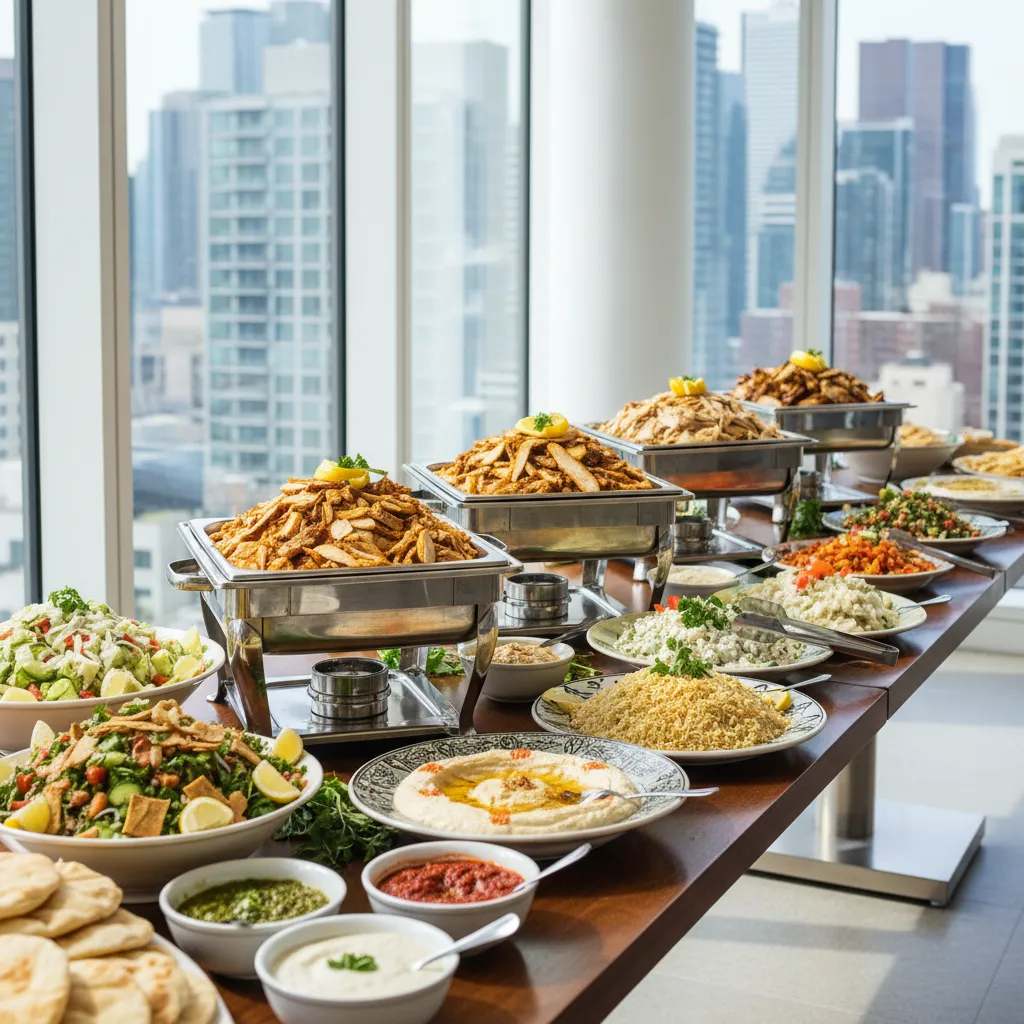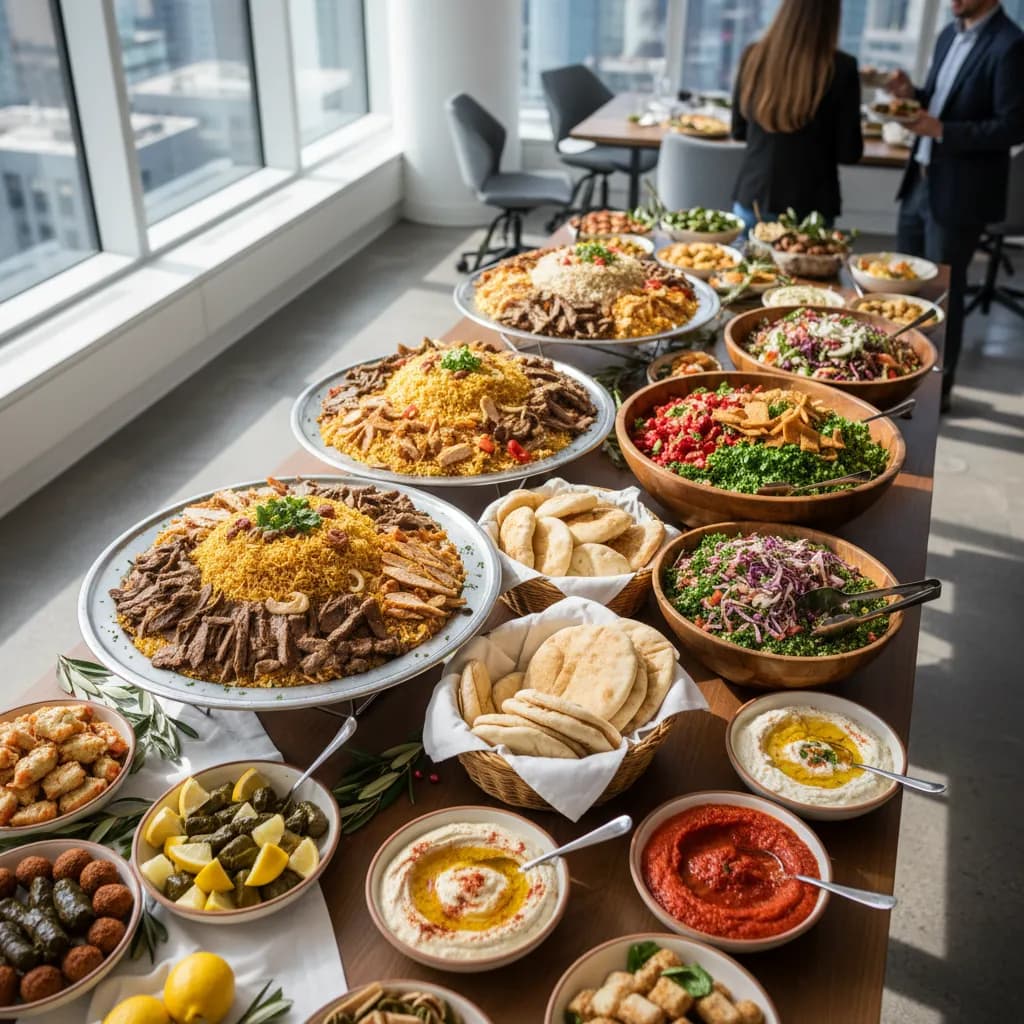
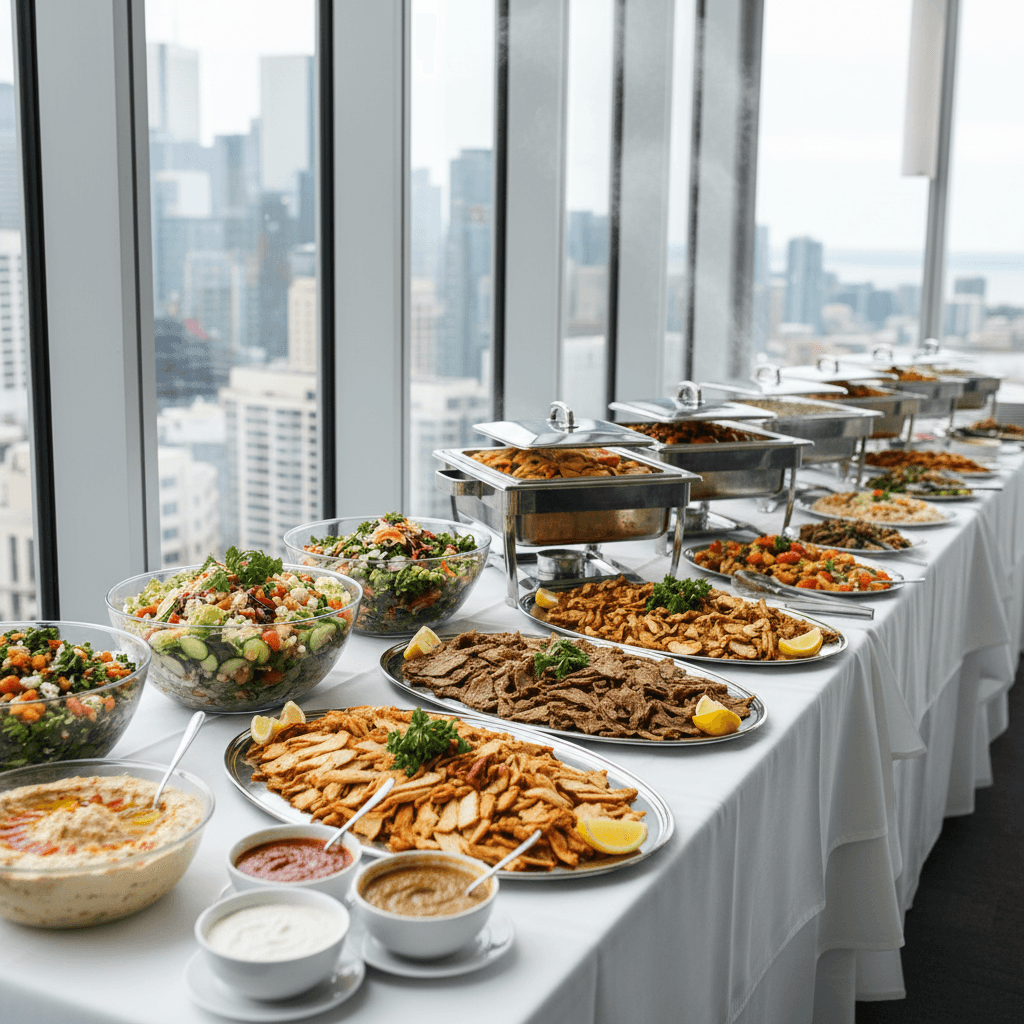
How to keep catering food fresh is the disciplined control of temperature, time, packaging, and transport so meals arrive safe, juicy, and crisp. Use hot holding of 135°F+ (57°C+), cold holding at 41°F (5°C) or below, sealed containers, and tight delivery windows. At 898 College St in Toronto, we apply these steps daily for office lunches and events.
By Shawarma Moose • Last updated: 2026-06-06
Quick Summary
Keep catered food fresh by locking in heat or chill, minimizing air exposure, and reducing time in the danger zone. Pack in insulated carriers, use vented lids for fried items, and schedule setup within 15–30 minutes of serving. Confirm holding temperatures with a calibrated probe thermometer before guests eat.
- What you’ll learn: Proven hot/cold holding targets, packaging that prevents sogginess, and a step-by-step service timeline.
- Who it helps: Office managers, event planners, and families coordinating Toronto gatherings.
- Why trust this: We cater shawarma and Turkish cuisine across Toronto daily—what follows is our on-the-ground playbook.
Introduction
Fresh catering depends on temperature control, moisture management, and precise timing. Build your plan from cook-to-hold-to-serve, choose packaging that preserves texture, and set delivery windows to prevent long idle times. These foundational choices determine whether guests experience bright flavors and proper crunch.
Here’s the thing: great recipes can’t outrun poor logistics. You need a simple, reliable system you can repeat. In our experience serving offices and private events across Toronto, five elements drive freshness:
- Safe temperatures: 135°F+ for hot items; 41°F or below for cold.
- Moisture balance: steam for meats, ventilation for fried foods.
- Air exposure: reduce oxygen to slow staling and oxidation.
- Time-in-transit: plan routes and setup for 15–30 minutes pre-serve.
- Service flow: fast handoff, verified temps, and smart buffet layout.
Use this guide as a field manual. We’ll show exact steps, local logistics for Old Toronto, and pro tips we apply at Shawarma Moose.
Before You Start (Prerequisites)
Before cooking, confirm equipment readiness, route timing, and packaging fit. Preheat hot boxes to 160–180°F, pre-chill coolers with ice packs, and label every pan with menu name and ETA. A 10-minute preflight prevents 60 minutes of scramble later.
Food safety targets you can trust
- Hot holding: Keep proteins and rice at or above 135°F (57°C).
- Cold holding: Keep salads, dips, and dairy at 41°F (5°C) or below.
- 2-hour rule: Limit time between 41°F and 135°F to under 2 hours cumulatively.
- Verification: Use a calibrated probe thermometer before serving; log readings on a prep sheet.
Gear checklist (pack the right tools)
- Insulated carriers: For pans and clamshells; preheat or pre-chill first.
- Chafing setups: Pans, frames, water pans, lids, and fuel; add a humidity pan for juicier meats.
- Cold packs: Reusable gel packs for salads, dips, and beverages.
- Probe thermometer: Quick-read, accurate within ±2°F for confident checks.
- Serviceware: Tongs, ladles, gloves, and sneeze guards; label tents for speed.
Packaging that protects texture
- Vented lids for fries or fried cauliflower to prevent trapped steam.
- Anti-fog domes for salads and mezze so condensation doesn’t drip back.
- Foil-lined wrap for shawarma pitas to keep heat while limiting sogginess.
- Separate wet and dry (sauces on the side; greens apart from hot proteins).
Planning ahead matters because freshness fades fastest in the first 30–45 minutes after cooking if airflow, humidity, or temperature go unmanaged. A brief preflight locks in quality.
How to Keep Catering Food Fresh: Step-by-Step
Follow a tight cook–hold–deliver–serve sequence. Cook to peak, hold at safe temps, package to preserve texture, transport in insulated carriers, and set buffets just before guests eat. Verify temperatures on arrival, then replenish in small batches instead of exposing everything at once.
- Back-time from first bite. If lunch is 12:00, plan setup for 11:30 and departure for 11:05–11:15 depending on distance.
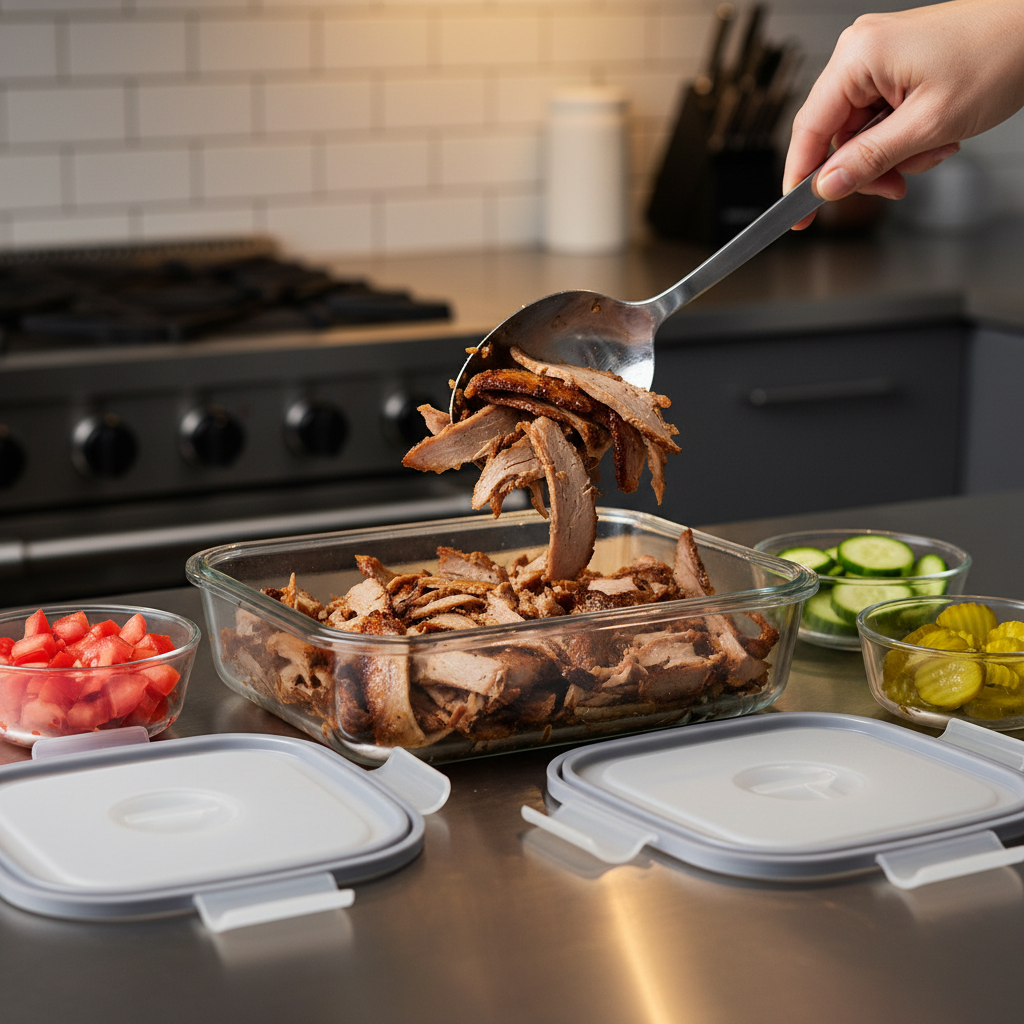
- Cook to peak doneness. For shawarma, carve just-in-time. Moisture retention is highest immediately after slicing and resting 2–3 minutes.
- Preheat or pre-chill carriers. Give insulated boxes 20 minutes of conditioning so they don’t steal heat or chill.
- Package for texture. Use vented lids for fries and foil-lined wraps for sandwiches; keep sauces separate until service.
- Load by service order. First-to-serve items near the door; cold items together; fragile salads on top.
- Transport smart. Keep carriers closed; avoid frequent opening. The biggest heat loss occurs in the first 30 seconds of exposure.
- Set the buffet in zones. Proteins and rice by chafers; salads and dips on iced trays; breads in covered warmers.
- Replenish in small pans. Half pans stay fresher than full pans exposed for long periods.
- Verify temps before service. Confirm 135°F+ hot and 41°F or below cold. Adjust with extra fuel or ice packs as needed.
- Close lids between guests. Heat and humidity escape quickly; brief closures maintain quality without slowing the line.
For example, when we deliver to a 60-person Old Toronto office, we slice chicken shawarma last, hold it covered in a humidified chafer, and set garlic sauce and tahini on ice nearby. This keeps the pita warm, the chicken juicy, and the salads crisp.
Helpful planning reads: Explore our Toronto event food planning tips and see catering menu ideas to balance hot and cold stations.
Delivery and Setup Logistics in Old Toronto
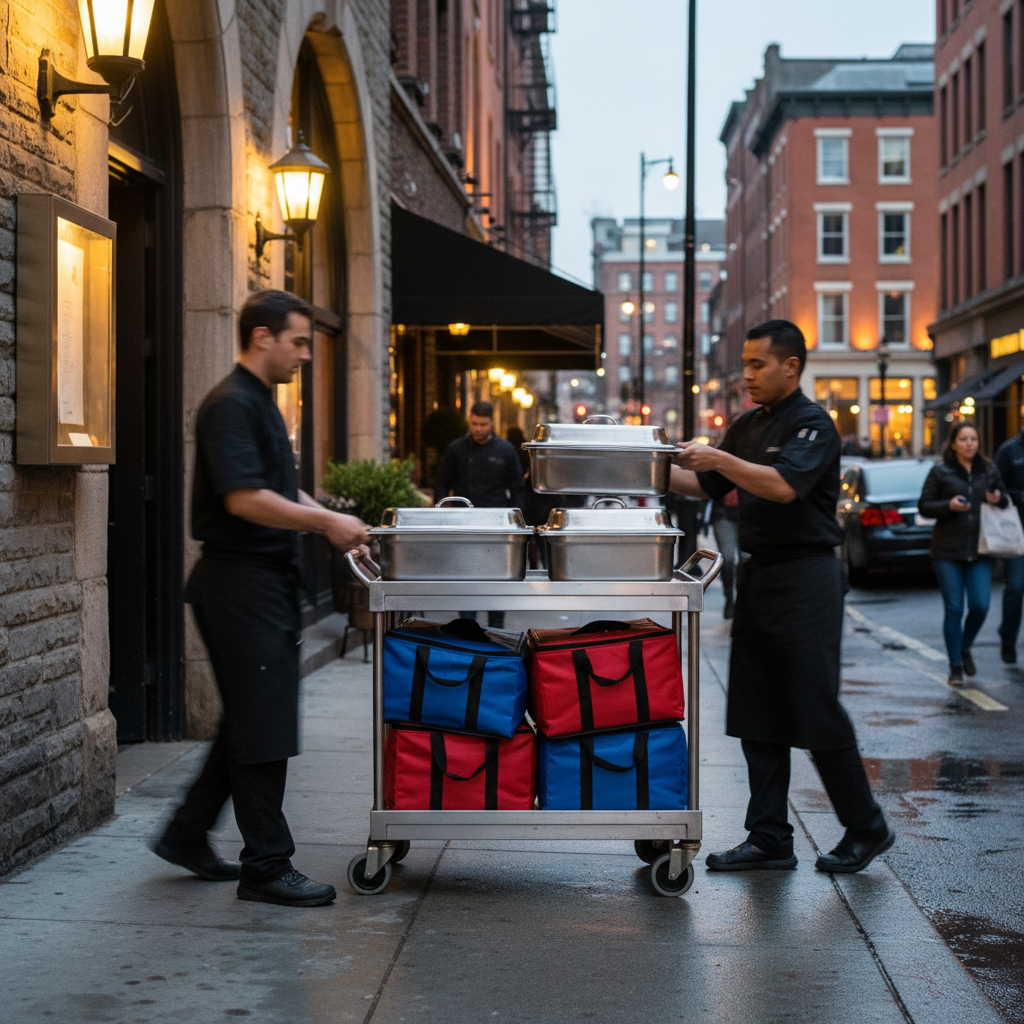
Plan short routes, tight windows, and staged setup. In Old Toronto, reserve loading spots, use insulated carriers for the final walk-in, and place chafers away from drafts. Aim to start serving within 15–20 minutes of arrival to maximize heat retention and crisp textures.
Local streets and building access vary, so we stage gear for quick elevators or walk-ups. We choose routes that avoid long idle times at lights, then roll in with insulated bags for the final 200–400 feet. Even this short distance matters for heat loss and salad wilt.
Local considerations for Old Toronto
- For outdoor events near Dufferin Grove Park, use wind shields on chafers and extra gel packs for dips; shade the buffet to slow heat gain.
- Expect weekday lunch rush near Ossington; schedule arrivals 10–15 minutes earlier to secure loading.
- Winter deliveries call for hotter holds and extra lid closures between refills to offset cold air during door traffic.
Need a hand coordinating? Our team at 898 College St can suggest timelines, layouts, and packaging combinations for your specific venue. We’ve handled boardrooms, condo lounges, and park pavilions across Toronto.
Troubleshooting: Fix Freshness Fast
When texture slips, act in 60 seconds: remove trapped steam, reheat with moist heat, or re-crisp with dry heat. Swap wilted portions for reserve pans kept sealed, and rotate serving utensils to reduce heat loss from open lids.
- Soggy fries or falafel: Pop open vents, line the pan with a draining rack, and keep lids slightly ajar between refills.
- Dry chicken: Add a small ladle of hot stock to the chafer, cover 2–3 minutes to restore humidity, then mix gently.
- Wilted salads: Toss with a few chilled leaves from a backup tray; keep dressings on the side to protect crunch.
- Cooling chafers: Replace fuel, ensure water pan is hot, and cover between guests; confirm 135°F+ holding.
- Late setup: Serve cold platters first while hot stations recover temperature with fresh fuel or a quick oven bump.
In our experience, the biggest save is rotating in sealed half-pans instead of nursing a tired full pan. Freshly opened, right-temperature food beats a long-exposed tray every time.
Advanced Tips We Use (Professional Moves)
Pros manage heat, humidity, and airflow with intention. Use humidity pans for proteins, micro-vents for fried items, and thermal mass (hot bricks or stones wrapped in foil) inside carriers. Stage backup half-pans at temp to replace exposed ones quickly.
- Humidity pan under proteins: A small water pan beneath chicken or beef in the chafer maintains moisture.
- Micro-vent lids: Pierce 1–2 tiny vents on fried items to release steam without losing too much heat.
- Thermal mass: Preheated ceramic tiles or wrapped hot bricks stabilize carrier temperatures during transport.
- Anti-fog lids and domes: Reduce condensation on salads and desserts.
- Layered insulation: Foil + parchment inside wraps keeps pitas warm without trapping too much steam.
- Small-batch carving: Carve shawarma in 2–3 lb bursts for peak juiciness during long service windows.
- Ice bath for dips: A 50/50 ice-water mix transfers chill faster than ice alone and keeps mezze safer, longer.
Take this example: for a 90-minute corporate lunch, we pre-stage backup half-pans of chicken and rice in insulated carriers and swap them in every 20 minutes. Flavor stays bright, portions stay hot, and the buffet line keeps moving.
Buffet Holding Methods Compared
Choose holding methods by menu and duration. Chafers excel for moist proteins, dry electric warmers suit bread, and insulated boxes preserve heat during transport. For cold items, use gel packs and ice baths with anti-fog lids to keep greens crisp without condensation.
| Method | Best For | Freshness Strength | Watch Outs |
|---|---|---|---|
| Water-pan chafers | Shawarma, rice, stews | Moist heat prevents drying | Check fuel; keep lids closed |
| Dry electric warmers | Breads, pastries | Even heat without steam | Can dry out proteins |
| Insulated hot boxes | Transport and backup pans | Stable temps for 60–90 min | Preheat; minimize opening |
| Ice baths + gel packs | Salads, dips, dairy | Rapid chill, safe holding | Drain meltwater regularly |
| Vented clamshells | Fries, fried veg | Releases steam to keep crisp | Balance heat loss vs vents |
Not sure which path fits your group? Our catering package guide breaks down service styles by headcount, venue, and timeline.
Service Timeline Template (15–30 Minutes to Peak Freshness)
Use a short, controlled window from arrival to first plate. Aim for 5 minutes to place tables, 10 minutes to light fuel and set ice, and 10 minutes to verify temperatures. Start serving within 15–30 minutes of arrival to preserve peak texture.
- T–30 min: Depart kitchen with preheated carriers and chilled coolers.
- T–15 min: Arrive, secure loading, roll gear to buffet area.
- T–10 min: Light chafer fuel; set ice baths; place labels and utensils.
- T–5 min: Probe hot and cold items; adjust lids and vents.
- T–0 min: Open first half-pans; start service.
- T+15 min: Swap in fresh half-pans; recheck temps.
- T+45 min: Final replenishment; keep lids closed between guests.
This rhythm keeps food in its freshness window while giving guests a smooth, quick line experience.
Need Catering Help That Stays Fresh?
If you’d like a done-for-you setup that stays hot, crisp, and safe, our Toronto team can handle it. We plan timing, packaging, and setup based on your venue so food tastes like it was served right off the line.
Explore our corporate catering options or use our private event checklist to organize an on-time, fresh buffet.
Real-World Scenarios (Toronto Use Cases)
Match tactics to the event. For boardrooms, prioritize quick setup and minimal odors; for park picnics, manage wind and sun; for condo lounges, plan elevator timing. Adjust packaging, vents, and buffer pans to your venue’s realities.
- Boardroom lunch (20 guests): Slice shawarma last, serve small half-pans, and keep sauces chilled on ice trays to avoid warm garlic or tahini.
- Park picnic (40 guests): Use wind guards, extra gel packs, and umbrella shade; open fried items just-in-time to keep them crisp.
- Condo lounge (60 guests): Pre-stage two waves of hot pans in carriers downstairs; swap every 20 minutes for steady freshness.
For more planning insight, see our corporate lunch ideas and menu strategy guide to balance proteins, grains, salads, and sauces.
2026 Trends and Standards
Freshness is trending toward sealed-to-serve packaging, ingredient separation, and smaller, more frequent replenishment. Operators pair anti-fog lids with insulated carriers and verify temps at each swap. The result: safer buffets with better crunch and juiciness.
- Ingredient separation: Keep greens, sauces, and proteins apart until plate-up to slow sogginess.
- Frequent micro-refills: Smaller pans swapped more often beat one large exposed tray.
- Enhanced monitoring: Quick-read probes and simple logs maintain accountability and quality.
For a broader industry snapshot, this Toronto catering overview highlights planning considerations that align with these practices.
Common Mistakes to Avoid
Avoid long exposure, sealed steam traps, and one-and-done full pans. Vent fried foods, close lids between guests, and rotate small backup pans. Confirm temperatures twice: on arrival and 15 minutes into service.
- Opening everything at once: Exposes food to rapid heat loss and staling; stage in waves instead.
- Sealing fried items tight: Traps steam and kills crunch; use micro-vents.
- Skipping temp checks: Leads to unsafe, lukewarm meals; probe on arrival and mid-service.
- Overfilling pans: Slows recovery after lid openings; use half-pans for faster rebound.
- Transporting uncovered: Even 2–3 minutes uncovered can cause significant heat loss; keep carriers closed.
We’ve found that a 30-second check to adjust lids, vents, and fuel saves 30 minutes of disappointment later.
Frequently Asked Questions
Hold hot foods at 135°F+ and cold foods at 41°F or below. Vent fried items to stay crisp, verify temps on arrival, and replenish in small batches. Keep setup within 15–30 minutes of serving for best texture and safety.
How do I keep shawarma juicy during a long service?
Use humidified chafers with a small water pan, keep lids closed between refills, and carve in small batches. Verify 135°F+ holding temperature, then rotate sealed half-pans every 15–20 minutes to prevent drying.
What’s the best way to keep salads crisp for catering?
Keep greens cold at 41°F or below with gel packs or an ice bath. Package dressings on the side, use anti-fog lids, and refill from sealed backup trays. Open new trays just before serving to reduce air exposure and condensation.
How far in advance should I set up a buffet?
Aim for 15–30 minutes before guests eat. Light chafer fuel, set ice, and then verify temperatures. Replenish in small pans as service begins to keep food at peak freshness and texture.
How do I keep fries or fried cauliflower crisp?
Use vented clamshells or micro-vented lids, avoid stacking deep, and replenish often. Keep them out of humid chafers; instead, open new small batches frequently to protect crunch.
Additional Resources
Plan smarter with checklists and menu frameworks. Use internal guides to decide portions and service style, then match packaging and holding methods to your venue. The right plan cuts waste, speeds setup, and preserves freshness.
- Use our private event catering checklist to map timing, labeling, and staffing.
- Review online ordering mistakes so your delivery arrives at the ideal window.
- Scan Toronto planning tips for venue-specific adjustments that keep food tasting fresh.
- Compare catering package options to align menu complexity with setup speed.
- Preview our catering features for menu structure and service style ideas.
Conclusion and Next Steps
Fresh catering is a process, not a guess. Control temperature, moisture, airflow, and time with a repeatable plan. Package smart, verify temps twice, and replenish in small waves. Your guests will taste the difference in every bite.
- Key Takeaways:
- Hold hot foods at 135°F+ and cold at 41°F or below; verify on arrival.
- Vent fried items, keep lids closed between guests, and swap small pans often.
- Set up 15–30 minutes before service; protect freshness with staged refills.
- Match holding methods to each menu item: steam for moisture, vents for crunch.
Ready to plan? If you’re in Toronto, we can coordinate routes, setup, and packaging so food tastes straight from the kitchen. Explore corporate catering or browse our menu strategies to start.