Toronto event catering planning is the structured process of forecasting headcount, mapping dietary needs, selecting a menu, and coordinating delivery or setup so food arrives hot, safe, and on time. This toronto event catering planning guide shows Old Toronto organizers how Shawarma Moose streamlines everything—from online ordering to reliable catering—so you serve authentic Turkish flavors without stress.
By Shawarma Moose • Last updated: 2026-07-04
At a Glance
Plan faster by locking your headcount 72 hours out, matching menus to your agenda, and confirming a delivery window with a 15–20 minute setup buffer. Use clear allergen labels and pick a service style—boxed, buffet, or staffed—that fits your space, timeline, and guest mix.
In this complete guide, you’ll learn how to:
- Build a practical, 7-step plan that prevents last‑minute scrambles
- Choose service styles that keep lines short and food hot
- Balance authentic Turkish flavors with dietary needs
- Navigate Old Toronto logistics near Ossington and Dufferin Grove Park
- Use checklists, templates, and tools to repeat success
Local considerations for Old Toronto
- For venues near Ossington, add 10–15 minutes for load‑in and elevator time during weekday rush.
- Summer weekends by Dufferin Grove Park bring heavier foot traffic; book earlier delivery slots and confirm refrigeration access.
- Limited boardroom space? Choose individually packed bowls to cut setup gear and speed service.
What is event catering planning?
Event catering planning is the end‑to‑end coordination of menu, portions, logistics, dietary needs, and service style to deliver a safe, on‑schedule meal that supports your agenda. It blends forecasting, vendor communication, and onsite setup for a seamless guest experience.
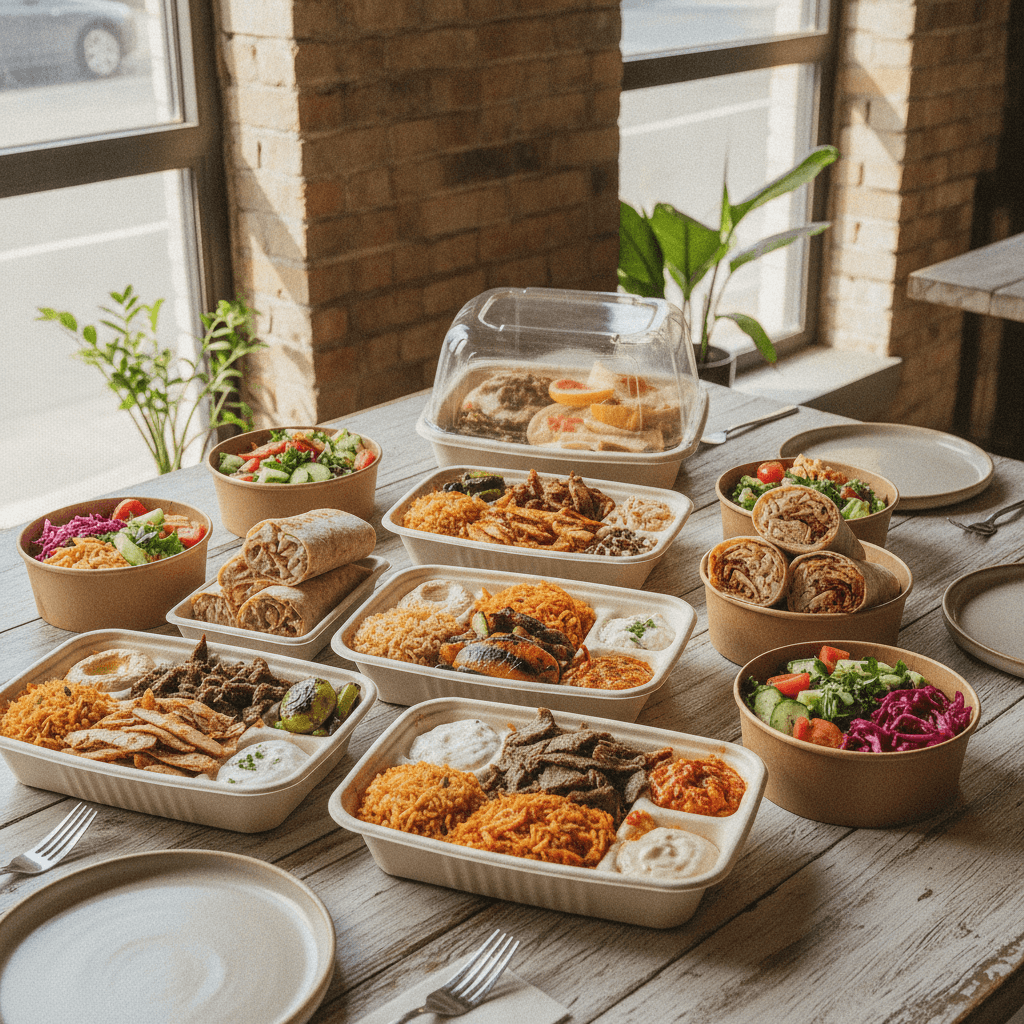
In practice, you start with purpose—training, town hall, client mixer, or a milestone celebration. Each format shapes menu pacing, packaging, and temperature control. At Shawarma Moose, we align food with your run‑of‑show: quick boxed bowls for workshops, build‑your‑own shawarma bars for mixers, and hot buffets with Turkish meze for evening events.
Because Toronto timelines can be tight, we recommend a 72‑hour headcount lock, a 5–10% buffer for late RSVPs, and labeled trays or boxes for fast distribution. Those small moves keep the day on track.
Why thoughtful planning matters
Thoughtful catering planning reduces waste, prevents allergen mix‑ups, and keeps service on schedule. It coordinates staging, labeling, and traffic flow so your guests eat well without interrupting key moments.
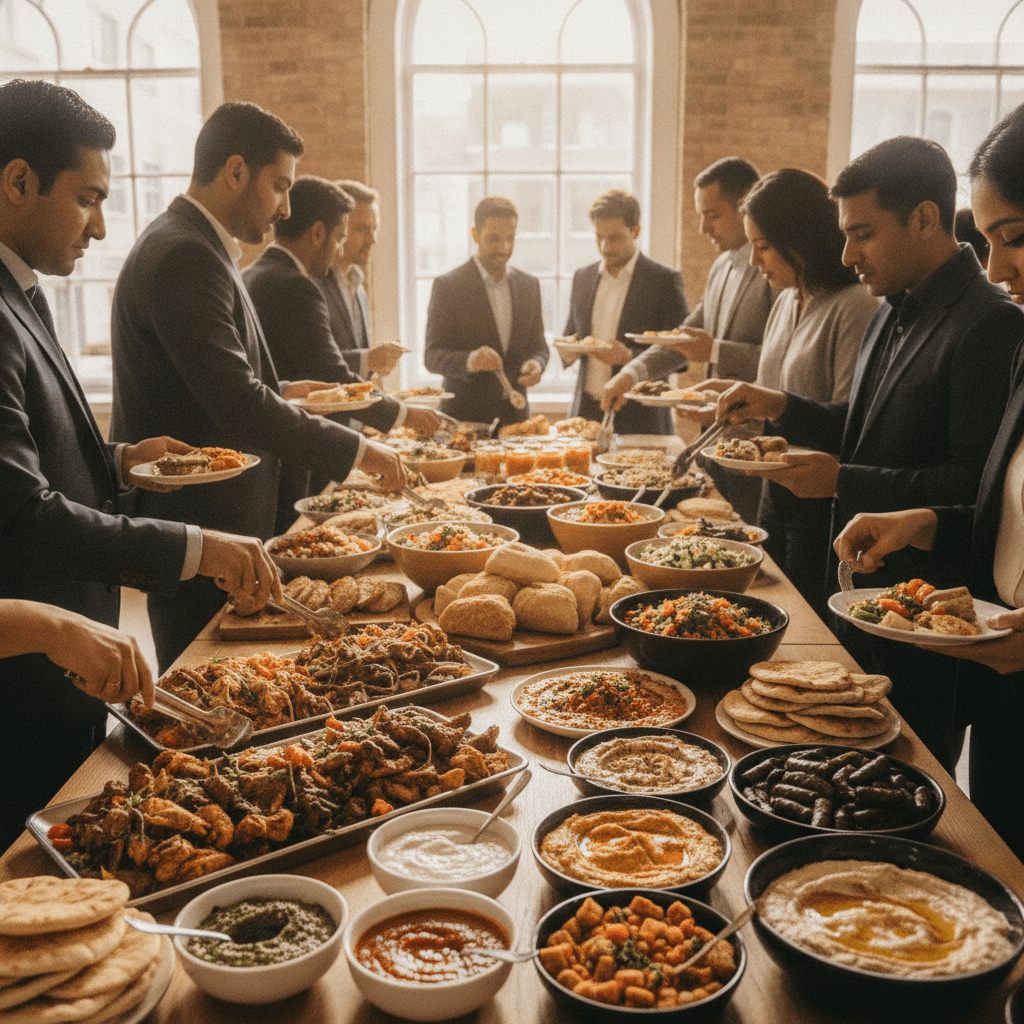
Small misses compound. Ten late minutes can throw off a keynote; unlabeled trays slow down lines; cramped pathways create bottlenecks. Clear roles, menu cards with allergens, and a simple line plan protect the guest experience. We’ve seen two‑sided buffets cut service time by half for groups over 60—without rushing anyone.
Beyond logistics, food signals culture. Authentic Turkish flavors—like shawarma, ezme, and roasted veggies—create a welcoming, memorable feel. When timing and labeling are dialed in, those flavors shine and your agenda hums.
How catering works with Shawarma Moose (step‑by‑step)
Follow a 7‑step flow: set goals, size headcount, choose service style, finalize menu, lock delivery window, prepare onsite setup, and confirm dietary labeling. We handle production, safe transport, and handoff or buffet setup on schedule.
- Define the objective: training, client pitch, or celebration; this sets pacing and packaging.
- Forecast headcount: invitees × expected show rate; add a 5–10% buffer for walk‑ins.
- Select service style: individually boxed, buffet, or staffed buffet (comparison below).
- Finalize the menu: protein mix, vegetarian/vegan ratios, sides, salads, and dessert.
- Lock your delivery window: align with breaks; hold 15–20 minutes for setup.
- Prep onsite logistics: tables, power, signage, and waste/compost stations.
- Confirm labeling: dietary icons and allergen notes on every tray or box.
Want a deeper walkthrough? Our Toronto event food planning tips cover the little wins (like opening beverages 10 minutes early) that keep lines moving and guests happy.
| Service style | Best for | Pros | Watch‑outs |
|---|---|---|---|
| Individually boxed | Workshops, tight agendas | Fast handoff, portion control, tidy rooms | Less communal; map diets in advance |
| Buffet | Celebrations, mixed diets | Flexible portions, visual appeal, variety | Needs space; plan traffic flow |
| Staffed buffet | Executive or VIP events | Presentation, portion guidance, allergen oversight | Coordinate with venue policies |
Types of Toronto catering and menu approaches
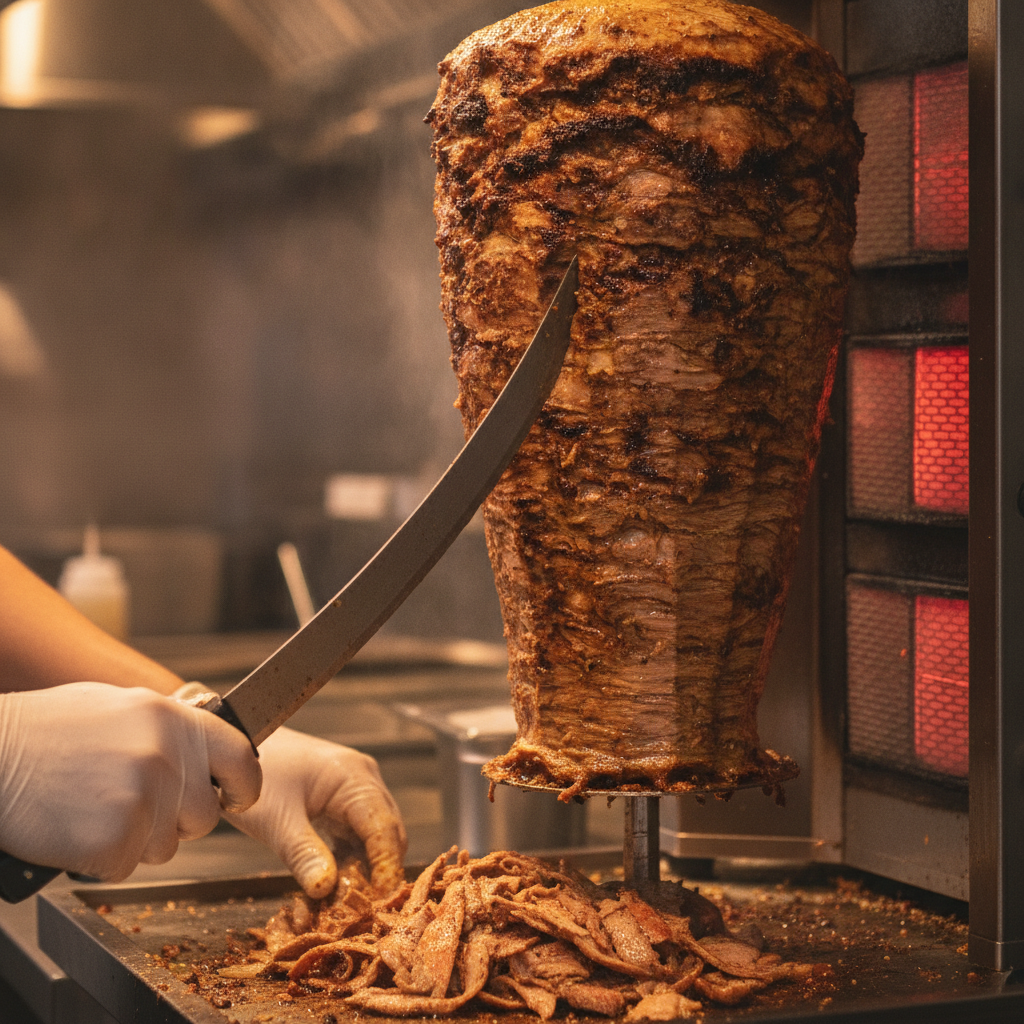
Match agenda to menu: quick bowls for training, build‑your‑own shawarma bars for mixers, and hot buffets with Turkish meze for evening celebrations. Balance proteins, grains, salads, and vegan options so everyone eats well.
Menu frameworks that work
- Team lunch bowls: basmati or bulgur; grilled chicken shawarma or falafel; roasted veggies; tahini or garlic sauce.
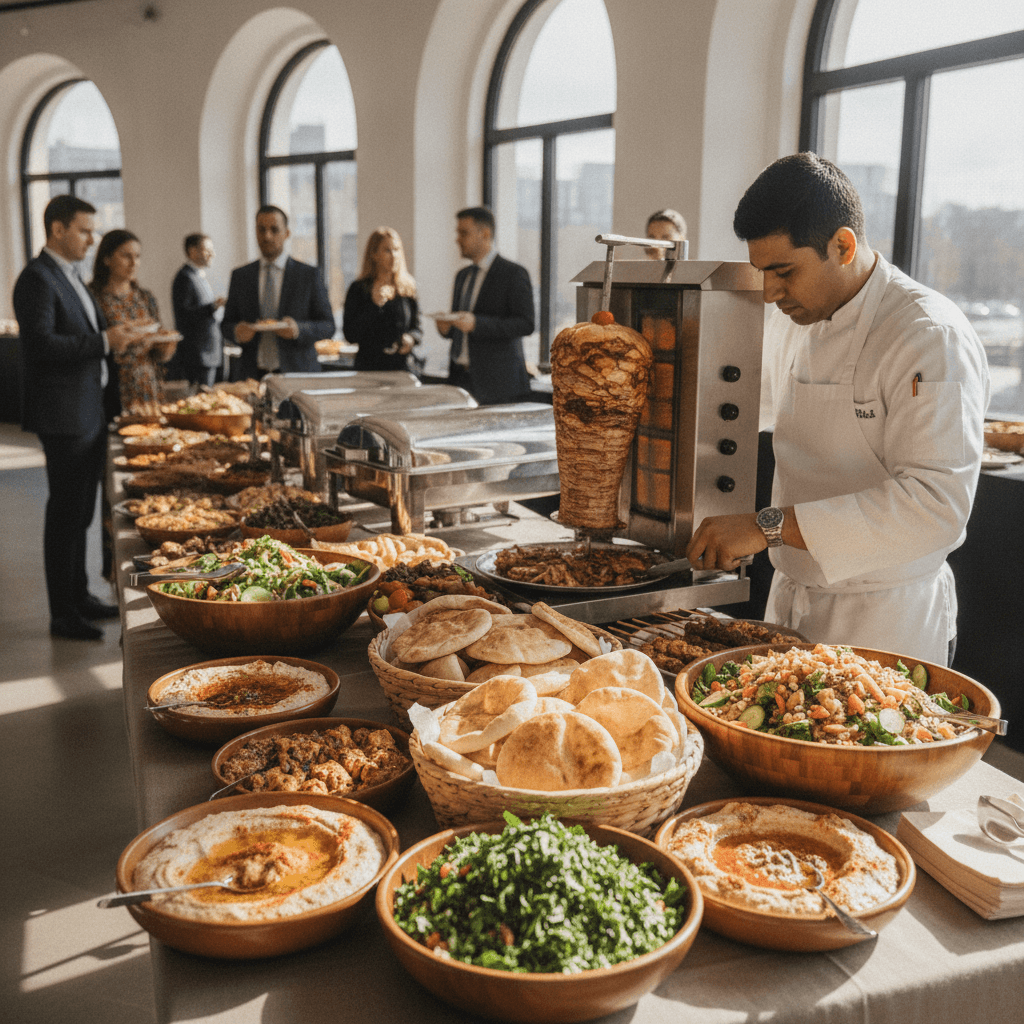
- Build‑your‑own shawarma bar: chicken or beef shawarma, warm pita, pickles, tomatoes, onions, and sauces.
- Turkish meze spread: hummus, baba ghanoush, ezme salad, stuffed grape leaves, fresh herbs, and olives.
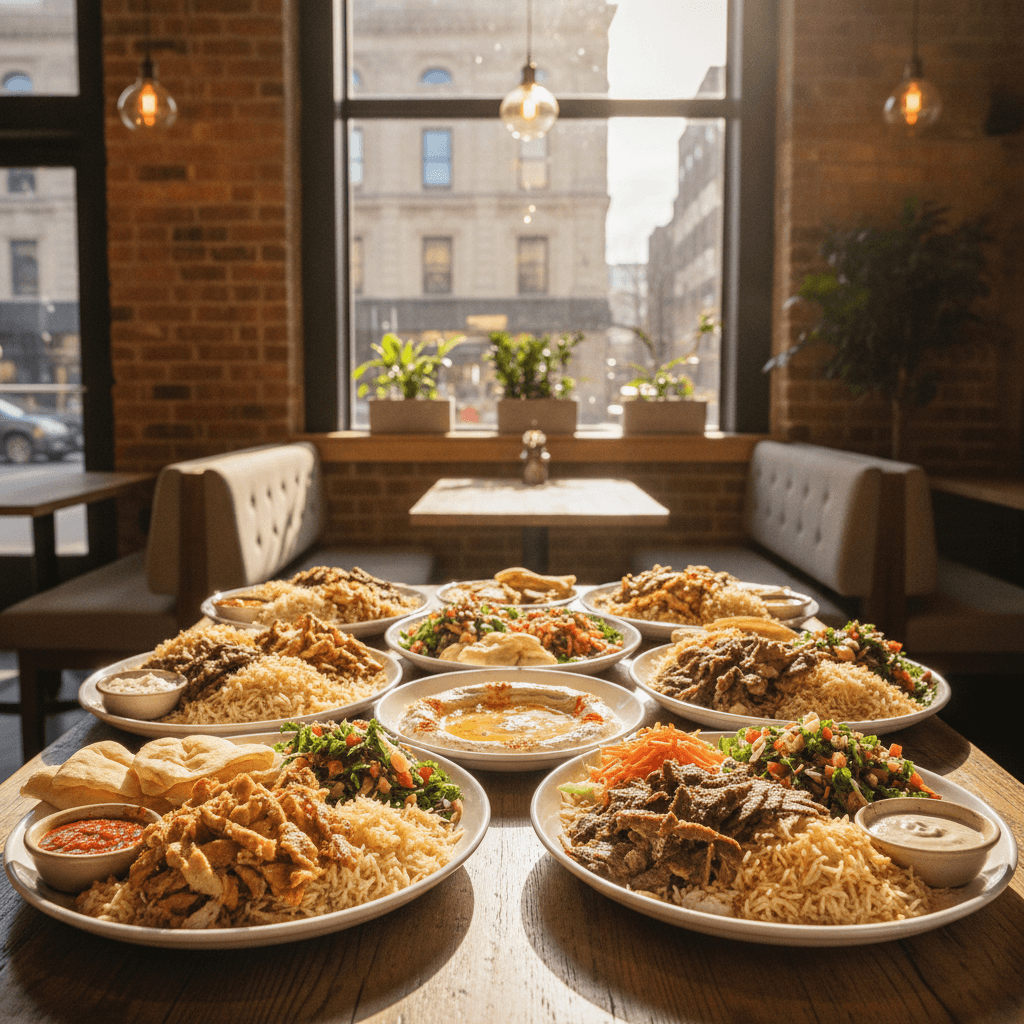
- Evening entrees: shawarma platters with rice, grilled vegetables, and mixed salads.
For deeper planning on variety and crowd‑pleasers, explore our Toronto event catering menu options. If you’re brainstorming private catering menu ideas, our private event catering checklist maps dishes to guest personas and run‑of‑show moments.
Dietary mapping and labeling
- Collect vegetarian, vegan, and gluten‑aware counts with RSVPs; color‑sticker boxed meals.
- Use allergen cards by each tray; flag sesame, nuts, dairy, eggs, and gluten clearly.
- Assign separate utensils for every dish; avoid cross‑contact at shared stations.
Labeling saves time. In our experience, color coding and clear icons reduce line questions by 30–50% at busy breaks. It also reassures guests with allergies that they can eat confidently.
Best practices for stress‑free service
Lock headcount 72 hours before the event, build a 10‑minute buffer around your main break, and stage beverages first. Label every item and keep vegetarian/vegan lines distinct to speed service and protect allergy‑sensitive guests.
Timing and traffic flow
- Open beverage stations 10–15 minutes early to ease buffet congestion.
- Stage cold salads first, hot mains last to protect temperatures.
- For 60+ guests, set two‑sided buffets to halve line times.
- Place plates and cutlery where the line starts; waste and compost where it ends.
Food safety fundamentals
- Use insulated carriers and chafers to maintain safe holding temps.
- Keep lids closed between waves; refresh tongs and spoons regularly.
- Designate one point‑person to answer allergen questions during service.
For a compact playbook that your staff can follow, see our internal framework on buffet‑style office catering, which summarizes staging, toolkits, and sanitation tips.
Tools and resources for Toronto planners
Use a headcount worksheet, menu ratio calculator, timeline checklist, and dietary tracker. Pair them with venue policies and your run‑of‑show so future events get faster and more consistent.
- Headcount & portion worksheet: confirm RSVPs 72 hours out; add 5–10% for day‑of additions.
- Menu build planner: protein/veg ratios; salad‑to‑protein pairings; sauce coverage.
- Run‑of‑show checklist: staging tables, signage, power, and cleanup flow.
- Dietary/allergen tracker: icons, color stickers, and separate utensil sets.
- Vendor sheet: mobile, backup contact, delivery window, dock/elevator details.
If you want a third‑party perspective on coordination, this industry overview on corporate catering in Toronto outlines common planning pitfalls and communication tips for office events.
Case studies and real‑world examples
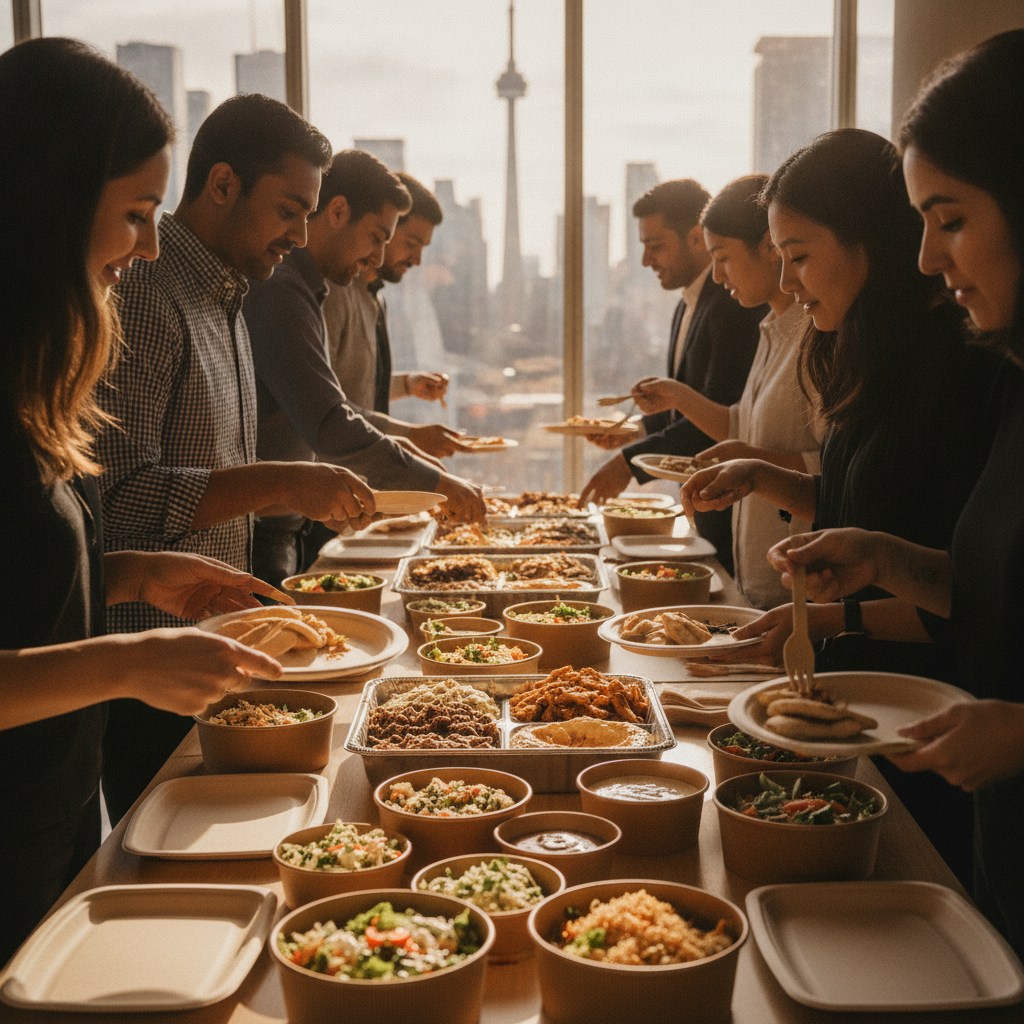
From quarterly town halls to product sprints and holiday mixers, Shawarma Moose adapts service style, labeling, and delivery windows to your agenda. These snapshots show how planning details translate into smooth mealtimes.
- Quarterly town hall (120 guests): Two‑sided buffet with chicken shawarma, falafel, rice, fattoush, and meze. Color‑coded allergen tags cut line questions by half and kept the break under 25 minutes.
- Product sprint workshop (40 attendees): Individually packed bowls delivered 15 minutes before break. Stickers matched spreadsheet dietary counts for rapid distribution.
- Holiday mixer (80 people): Build‑your‑own shawarma bar with warm pita, sauces, and salads. Staggered delivery kept food hot between waves of arrivals.
For inspiration as you design your own event, scan our high‑level guide to why shawarma catering works in Toronto and a complementary piece on private event catering dynamics. Use them to shape menu flow, signage, and guest communication.
Frequently Asked Questions
Plan earlier than you think: lock your headcount 72 hours out, document dietary needs, and choose a service style that fits your space. Label clearly and confirm a delivery window with a setup buffer.
How far in advance should I finalize headcount?
Confirm headcount 72 hours before service. That window lets your caterer schedule production, allocate drivers, and prep accurate allergen labels. Add a 5–10% buffer for last‑minute attendees or walk‑ins.
What’s the best service style for a tight agenda?
Individually boxed meals move fastest and keep rooms tidy. If you want variety, a compact buffet with two lines works for groups over 60. Clear signage and labeled trays speed selection.
How do I handle allergies and dietary restrictions?
Collect dietary info with RSVPs, then use labeled boxes or menu cards that mark common allergens and special diets. Keep separate utensils for each dish and assign a point‑person for questions during service.
Can I mix boxed meals and a buffet?
Yes. Many teams use boxed bowls for breakout rooms and a small buffet for the main group. The hybrid approach keeps workshops on time while giving everyone a communal experience at lunch.
Conclusion and next steps
Successful Toronto catering blends clear headcounts, smart menus, and tight logistics. Use these checklists, pick the right service style, and coordinate labeling so food supports your agenda—not the other way around.
- Key Takeaways: lock headcount 72 hours out; label clearly; plan two‑sided lines for 60+; match menu to agenda; buffer 15–20 minutes for setup.
- Action: Align your run‑of‑show with a delivery window and choose between boxed bowls, shawarma bars, or hot buffets.
- Next step: Explore our corporate catering offerings or use our build‑your‑own catering path to tailor portions and sauces.