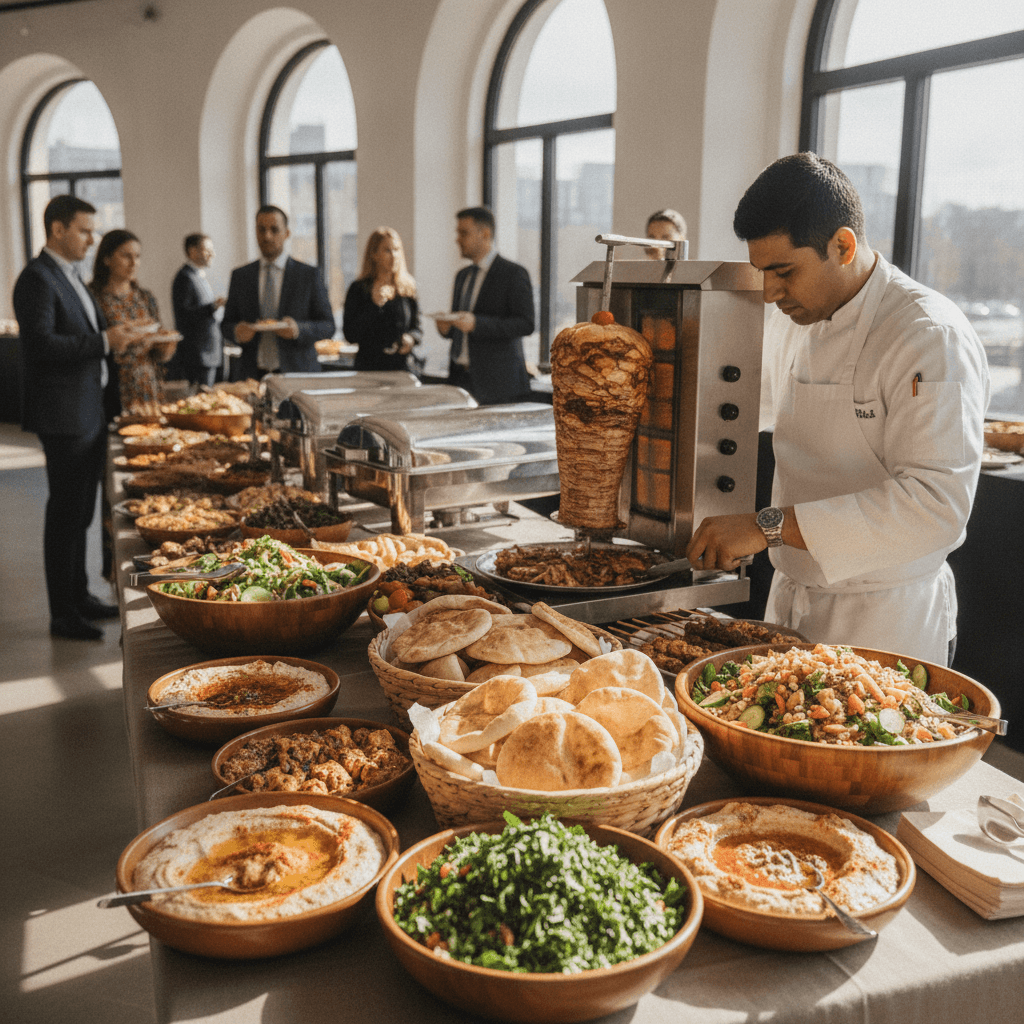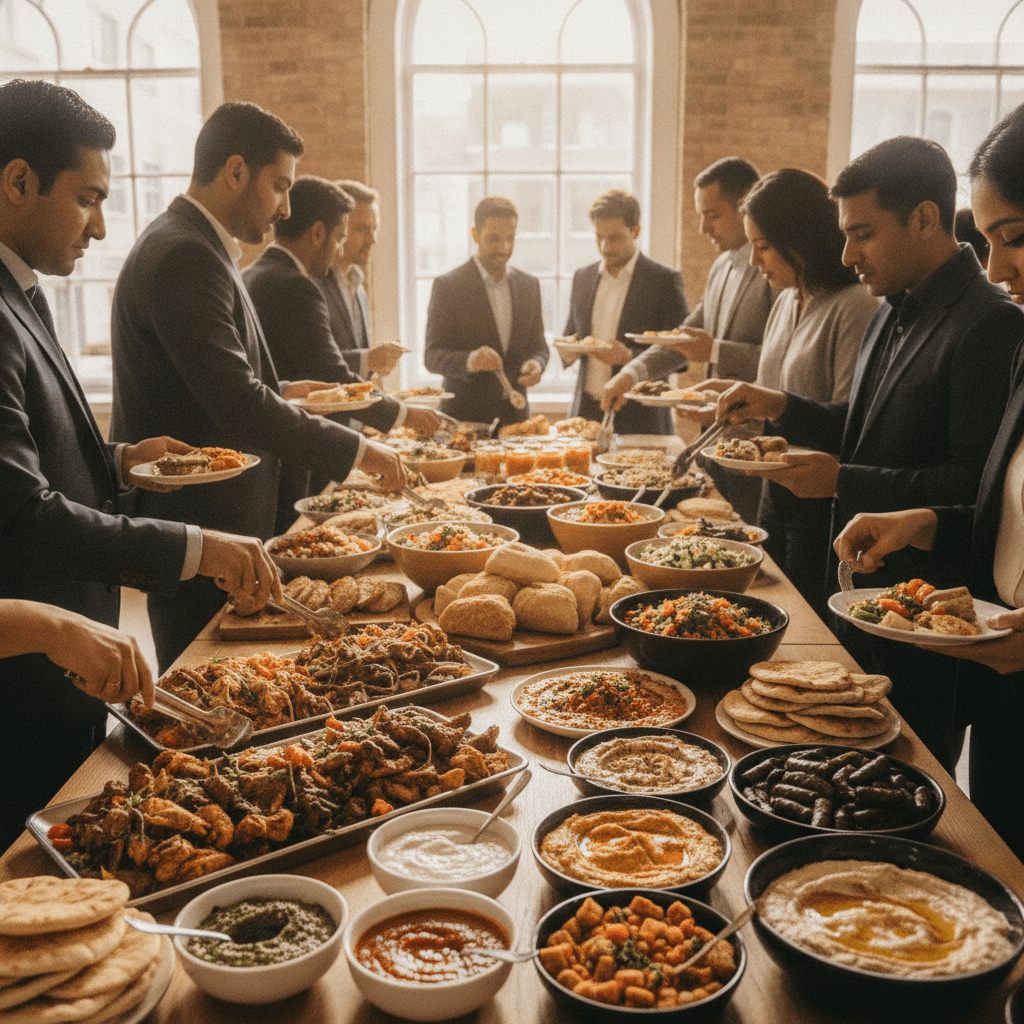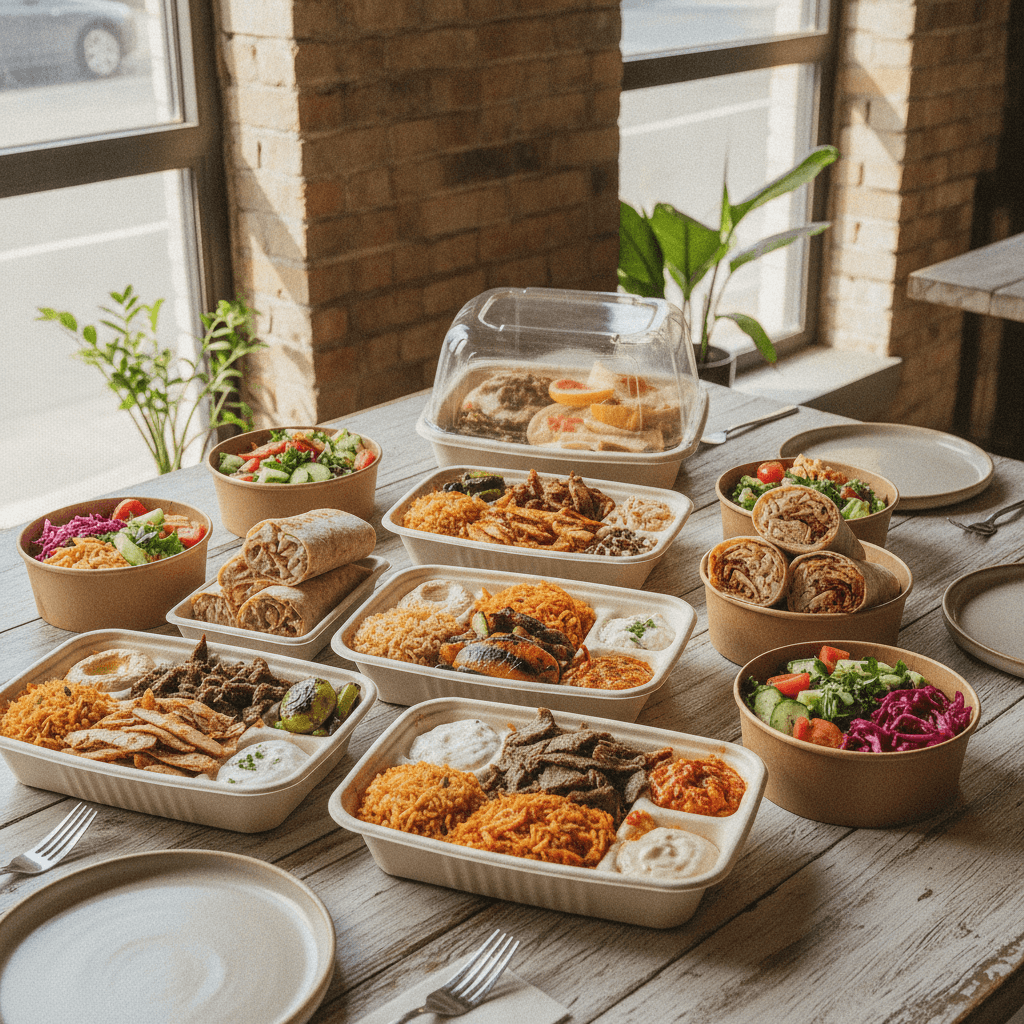
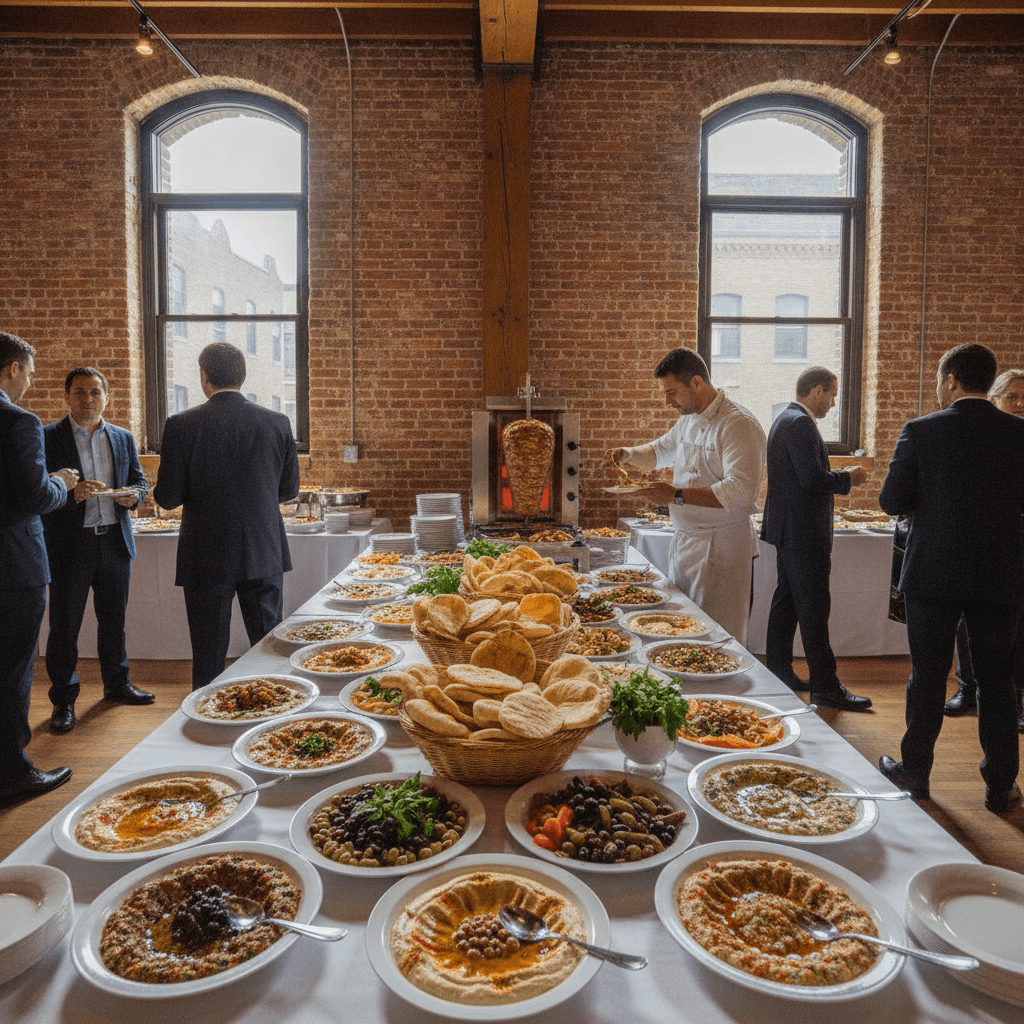
Event catering for celebrations is the end-to-end planning, cooking, delivery, and setup of food and beverage service for special occasions. It covers menu design, dietary accommodations, logistics, and service styles that keep guests happy. In Old Toronto, reliable catering helps hosts save hours while delivering fresh, crowd-pleasing meals that arrive right on time.
By Shawarma Moose • Last updated: 2026-07-05
At a Glance: What You’ll Learn
This guide shows how to plan event catering for celebrations with zero stress: pick a service style, build a balanced menu, align dietary needs, and coordinate delivery and setup. You’ll get timelines, head-count formulas, and Old Toronto tips, plus examples using shawarma and Turkish cuisine.
Hosting a birthday, team milestone, or family reunion? Here’s what you’ll walk away with:
- Clear definitions and roles in modern catering
- Practical timelines (7–30 days out) and checklists
- Menu-building tactics using shawarma and Turkish meze
- Service-style comparisons: buffet, family-style, boxed, and DIY bars
- Dietary planning: vegetarian, vegan, halal-friendly, and gluten-smart options
- Logistics for Old Toronto venues and outdoor gatherings
- Conversion-minded tips to keep lines short and plates full
- Real scenarios from corporate lunches, birthdays, and park picnics
- Links to our private catering checklist and catering service page
What Is Event Catering for Celebrations?
Event catering for celebrations is a full-service approach that handles menu creation, cooking, packaging, delivery, setup, and guest service for birthdays, corporate milestones, holidays, and more. It blends culinary planning with logistics, so hosts can focus on guests while professionals manage every food detail.
In our experience serving Old Toronto, successful catering balances flavor, nutrition, and flow. The core pieces are straightforward:
- Menu design: Choose mains, sides, salads, and desserts guests recognize and love.
- Dietary mapping: Plan for vegetarian, vegan, halal-friendly, dairy-free, and gluten-sensitive guests.
- Service style: Buffet, family-style, individual boxes, or a DIY shawarma bar.
- Logistics: Delivery windows, table layout, serving order, and trash handling.
Simple planning rules help. Aim for 1.2–1.5 mains per adult, 12–18% vegetarian portions, and 2–3 bite-sized appetizers per person per hour during receptions. These numbers keep plates full without significant overage.
Why Great Catering Matters
Great catering reduces host workload by 50–70%, improves guest satisfaction, and streamlines timelines. When the menu travels well and setup is efficient, lines move faster, plates look generous, and hosts can actually enjoy the celebration.
Here’s why this matters in fast-moving Old Toronto schedules:
- Time saved: Consolidate shopping, cooking, transport, and cleanup into one organized service.
- Consistency: Professional prep yields even portions and reliable food safety controls.
- Delight factor: Signature items (like carved shawarma, vibrant meze, or baklava) create moments guests talk about.
- Scalability: From 15 to 150 guests, portioning and packaging adapt without chaos.
We’ve found that serving lines under 6 minutes per 20 guests keep energy high and conversations flowing. Clear signage and a simple path from mains to sauces to sides cut decision time by about 30%.
How Event Catering Works
Catering follows a simple flow: confirm headcount and dietary needs, pick a service style, finalize the menu, set delivery/setup details, and assign cleanup. A clear timeline—7–30 days out—keeps decisions on track and prevents last‑minute stress.
Here’s the typical playbook we use for event catering for celebrations, adapted to Old Toronto logistics:
- 7–30 days out: Lock the date, venue type, and estimated headcount. Shortlist menus you know your crowd loves.
- 10–14 days out: Finalize mains, sides, salads, and desserts. Capture dietary counts (vegetarian, vegan, halal-friendly, gluten-aware).
- 5–7 days out: Confirm delivery window and table layout. Plan serving order: proteins → toppings/sauces → sides → salads.
- Event day: Receive, stage, and label food. Keep hot items above 140°F and cold under 40°F. Refresh platters every 20–30 minutes.
- Post-event: Pack leftovers in food-safe containers and designate a spot for compost/recycling to keep cleanup fast.
Right-sizing quantities matters. For mixed groups, plan roughly 55–65% chicken, 20–30% beef/lamb, and 15–20% vegetarian mains. Expect 1.5–2 pita rounds per person with a DIY shawarma bar and 3–4 tablespoons of sauces per plate.
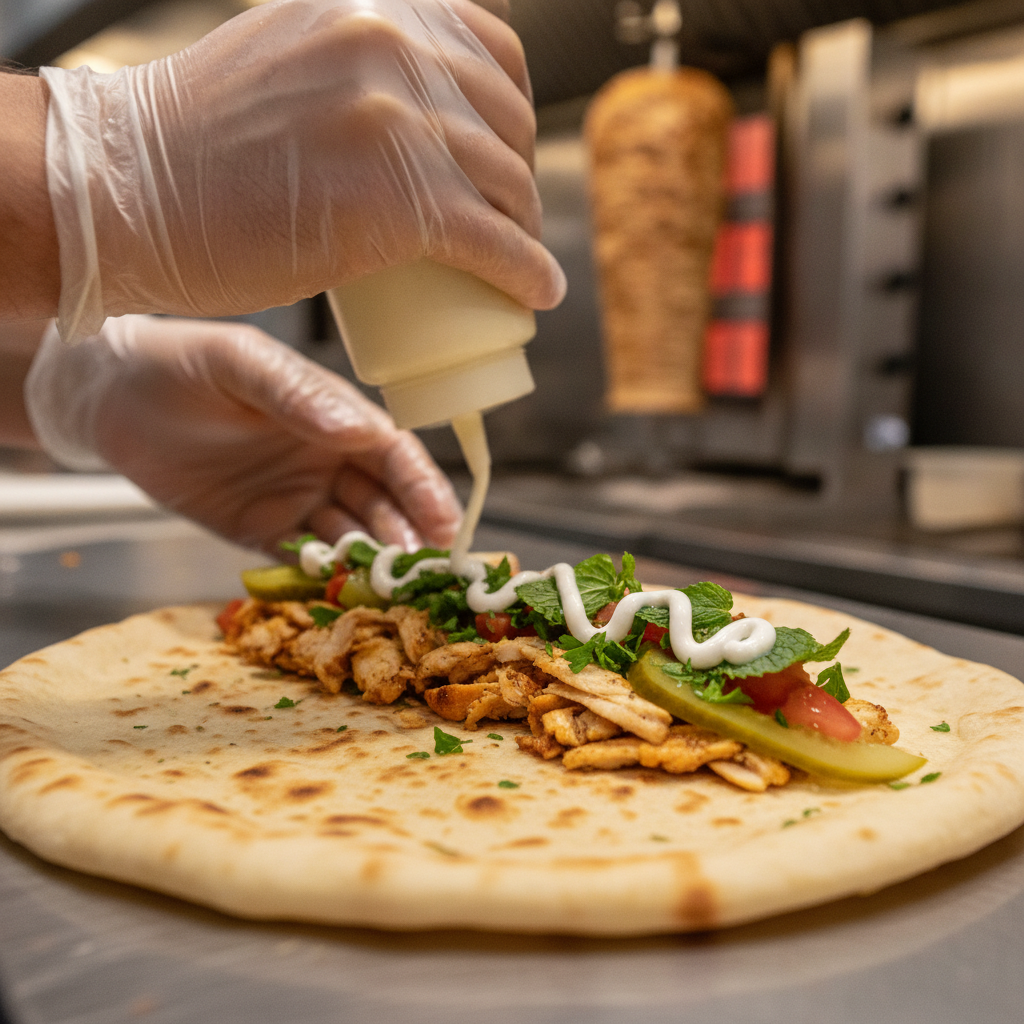
Service Styles & Comparison
Choose a service style that matches your space and schedule. Buffets move guests quickly, family-style feels communal, boxed meals simplify dietary splits, and build‑your‑own bars create interaction. Align style with headcount, table layout, and hosting capacity.
Below is a quick comparison to help you pick the right fit:
| Style | Best For | Speed | Dietary Control | Notes |
|---|---|---|---|---|
| Buffet | 20–120 guests | Fast (6–8 min per 20 guests) | Moderate | Set a clear one‑way flow; replenish trays every 20–30 minutes. |
| Family‑style | 10–40 guests | Moderate | Moderate | Great for communal meals; needs larger table space. |
| Boxed/Individual | Workshops, off‑sites | Fast distribution | High | Label boxes by diet to cut sorting time by ~50%. |
| Build‑Your‑Own Bar | Interactive events | Moderate | High | Keep proteins, toppings, and sauces in a simple sequence. |
If you’re planning an office lunch, see our buffet-style office catering overview or explore individual catering to streamline distribution. For interactive setups, our build-your-own shawarma bar keeps guests engaged.
Best Practices That Prevent Stress
Lock headcount early, simplify choices, and stage your tables. Label dietary items clearly, portion sauces generously, and assign one host to traffic flow. These small steps cut bottlenecks and keep food hot, crisp, and photo‑ready.
Menu design that welcomes everyone
- Anchor on familiar mains: Chicken shawarma satisfies a wide majority; include a vegetarian main.
- Balance textures: Pair carved meats with crisp salads and warm breads.
- Limit choice overload: 2 proteins, 2 sides, 1 salad, 1 dessert often beats sprawling menus.
- Allergy-aware labeling: Mark common allergens and use separate tongs.
Staging and flow
- Sequence stations: Proteins → toppings → sauces → sides; this saves ~30 seconds per guest.
- Duplicate hotspots: Add a second sauce station to halve wait times.
- Refill rhythm: Check hot trays every 20 minutes; rotate salads every 30–40 minutes.
Local considerations for Old Toronto
- For park gatherings near Dufferin Grove Park, confirm shade and table space; bring coolers for salads on warm days.
- If guests arrive via the Ossington subway station, stage your buffet near the entrance to reduce crowding.
- Weekends fill fast in Old Toronto—lock your delivery window 10–14 days out to avoid congestion.
For more ideas, browse our Toronto event food planning tips, which include plating layouts and vegetarian mix guidance.
Tools, Timelines & Resources
Use a simple timeline, a headcount calculator, and a labeled table map. Confirm dietary counts a week out, then lock delivery and staging details two days before. A lightweight checklist prevents last‑minute scrambles and keeps service on schedule.
Timeline you can trust
- 30 days out: Define event goals and guest profile; shortlist menus.
- 14 days out: Finalize selections and confirm dietary counts by category.
- 7 days out: Share final headcount and delivery window; review venue access.
- 48 hours out: Reconfirm time, table plan, and point of contact.
- Day of: Stage, label, and set a refresh cadence.
Quick calculators
- Wraps/plates: 1.2–1.5 per adult; 0.7–1.0 per child or light eater.
- Salads/sides: 4–6 oz per salad; 6–8 oz per hot side per person.
- Sauces: 3–4 tablespoons per plate; double garlic sauce at interactive bars.
When you’re ready to move from planning to action, explore our catering services or tap the menu options guide for mix-and-match inspiration. If you’re building a private menu, start with these private catering menu ideas.
Case Studies & Real Examples
Real events show what works: a 40‑person office lunch flows best with a buffet; a 20‑guest birthday shines with family‑style platters; and an outdoor picnic thrives with a build‑your‑own shawarma bar. Each scenario uses clear labeling, balanced portions, and reliable delivery windows.
Office milestone lunch (40 guests)
- Goal: Quick service before a 1 p.m. meeting.
- Setup: Buffet line with chicken shawarma, a vegetarian main, two salads, one hot side.
- Outcome: 40 guests served in ~12 minutes; second sauce station halved wait time.
For similar setups, our buffet-style office catering keeps portions consistent and traffic moving.
Birthday at home (20 guests)
- Goal: Relaxed vibe with shareable plates.
- Setup: Family-style platters, warm breads, dips, and a crisp salad.
- Outcome: 90% plate finish rate and easy cleanup with compost and recycling separated.
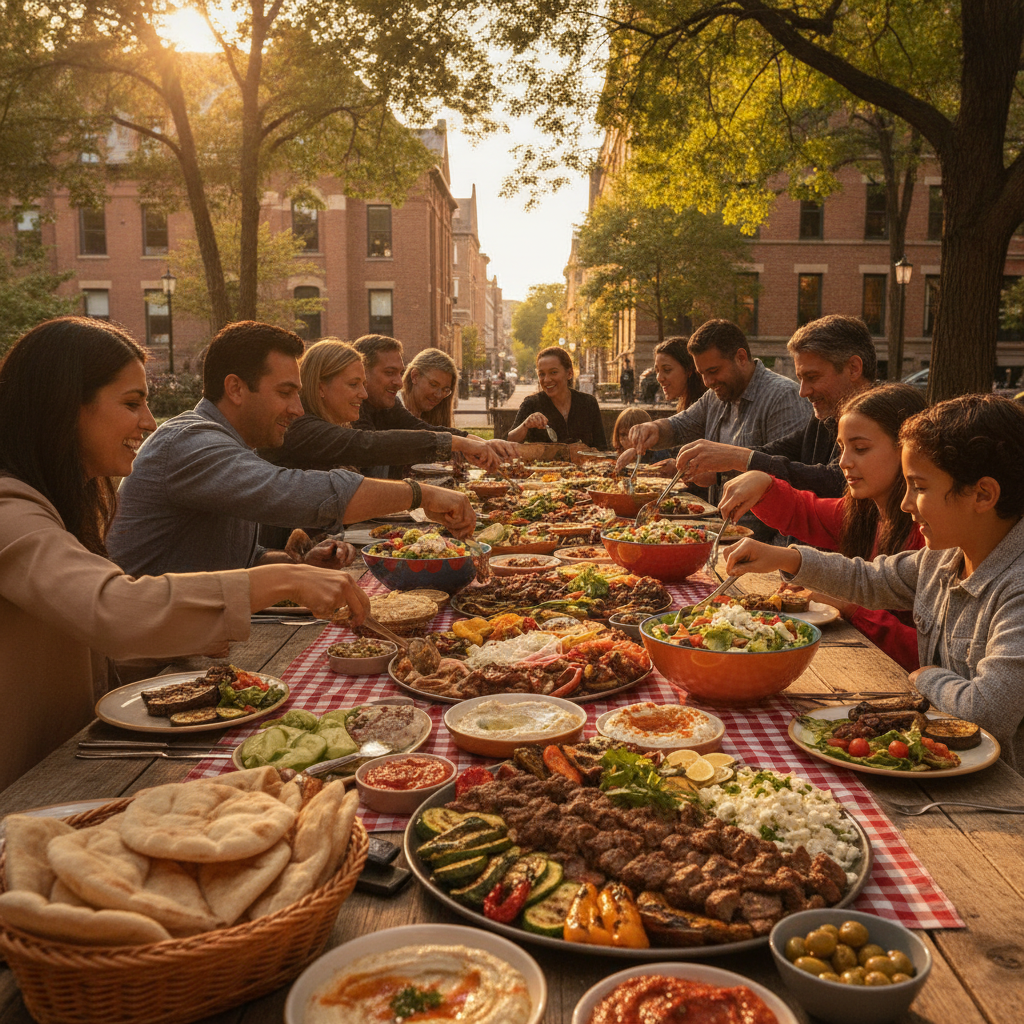
Park picnic near Dufferin Grove (30 guests)
- Goal: Interactive, casual lunch outdoors.
- Setup: Build‑your‑own shawarma bar; coolers for salads; covered sauces.
- Outcome: 30 guests served in two waves; food held safe with hot/cold separation.
Curious how other Toronto teams structure event pages? Skim this example of shawarma event catering to see common menu frameworks and service styles used in the city.
Frequently Asked Questions
Great FAQs remove uncertainty fast. The answers below cover timelines, headcounts, dietary planning, leftovers, and service styles so you can make confident decisions and enjoy your celebration.
How far in advance should I book catering?
Aim for 2–4 weeks for most celebrations, and 4–6 weeks during peak seasons. Share a tentative headcount early, then confirm dietary splits 7–10 days out. This timing secures your preferred delivery window and avoids last‑minute menu changes.
What’s the best service style for a mixed group?
For 25–60 guests, buffets serve quickly and let people customize plates. For 10–30 guests, family-style platters feel warm and social. If you’re short on space or need strict dietary labeling, go with individual boxes or a build‑your‑own shawarma bar.
How do you handle dietary restrictions?
We plan portions by category (vegetarian, vegan, halal-friendly, gluten-aware) and label each item clearly. Separate utensils and smart station flow prevent cross‑contact. Tell us your counts a week out and we’ll balance the menu accordingly.
How much food should I order?
Use simple rules of thumb: 1.2–1.5 mains per adult, 4–6 oz salad, 6–8 oz hot sides per person, and 3–4 tablespoons of sauces. For kids and light eaters, scale portions down by 25–30%.
Conclusion & Next Steps
Plan once, celebrate twice. When you match service style to your space, build a balanced menu, and lock logistics a week out, your event runs smoothly. Old Toronto hosts can save hours and still wow guests with fresh, authentic flavors.
Key takeaways
- Event catering for celebrations works best with simple menus and clear staging.
- Buffet or build‑your‑own bars speed service for 25–100 guests.
- Labeling and duplicated sauce stations cut wait times by up to half.
- Portion formulas prevent shortages and reduce leftovers.
Action steps
- Set a target headcount and pick a service style from our comparison table.
- Choose mains, sides, and salads using our menu options guide.
- Share dietary counts 7–10 days out, then confirm delivery and staging details.
- When you’re ready, book Shawarma Moose catering in Old Toronto.