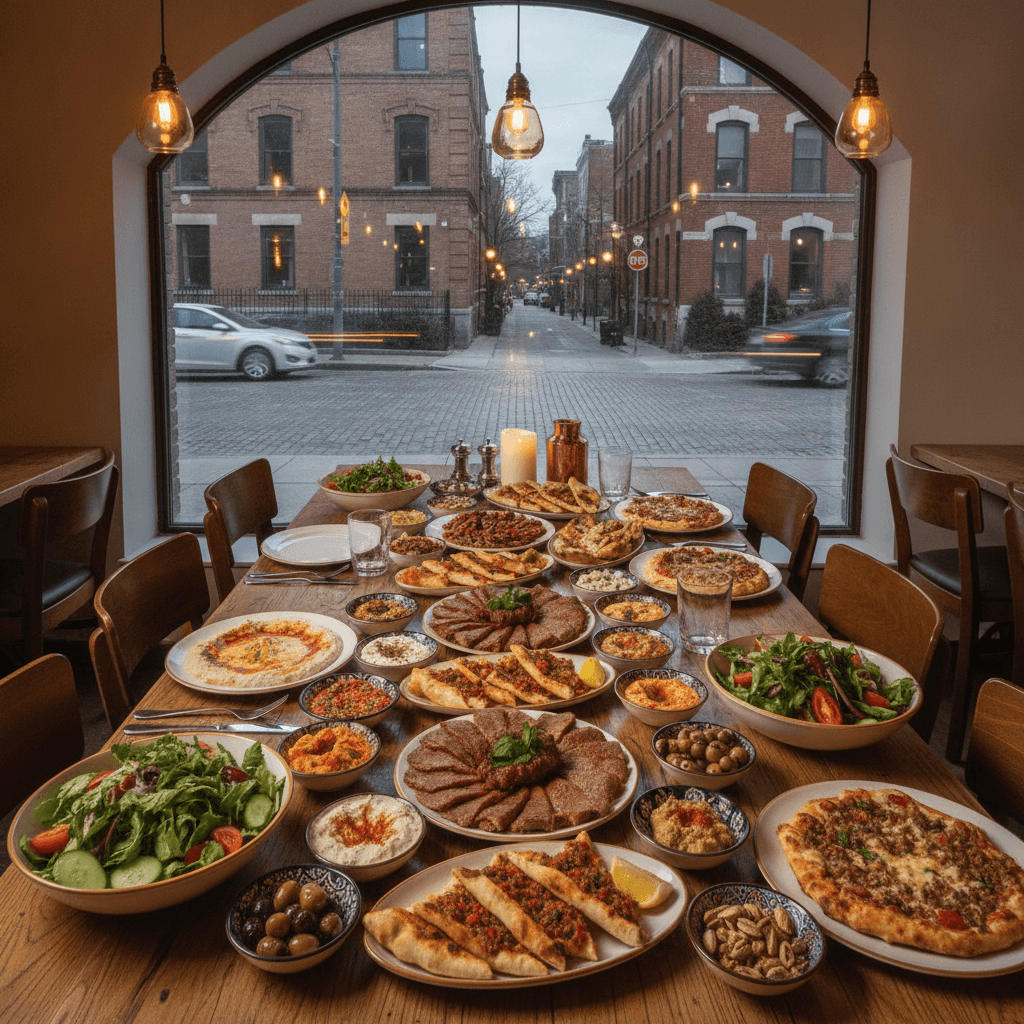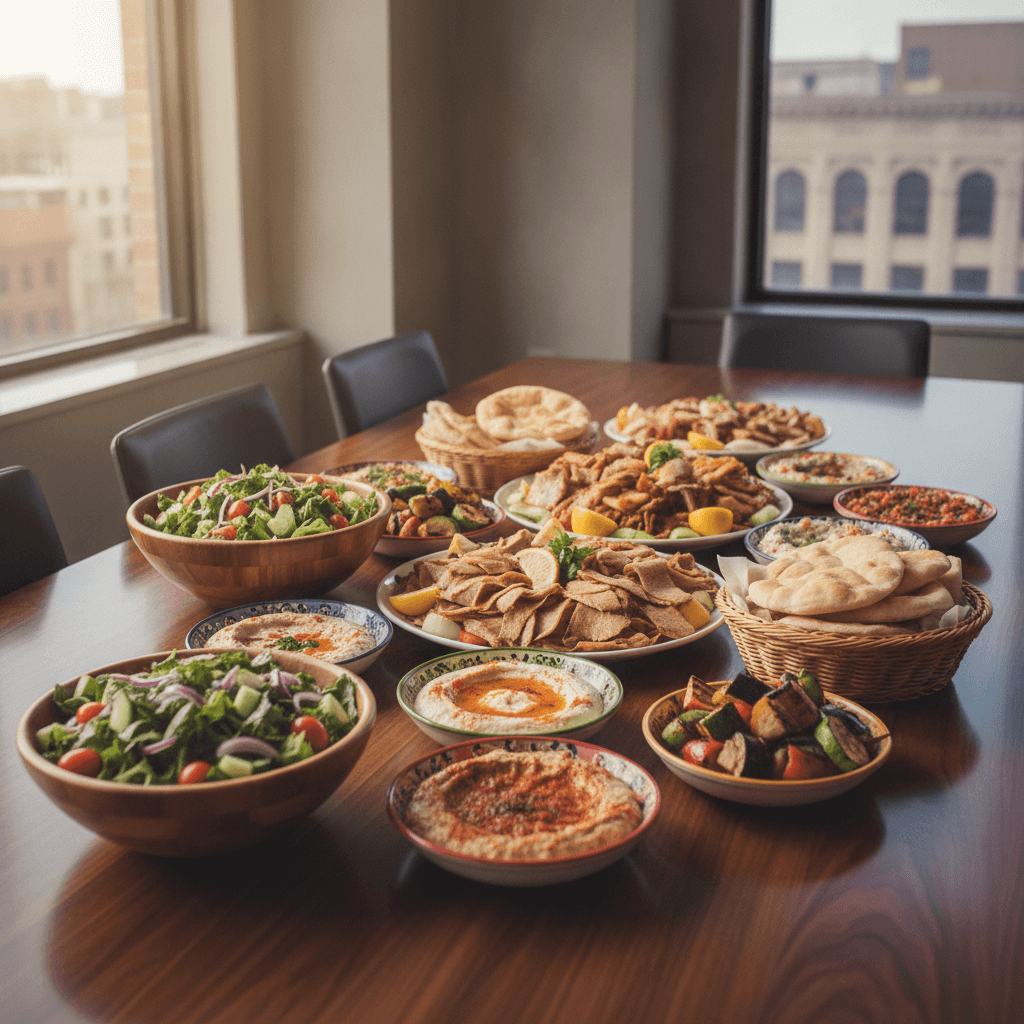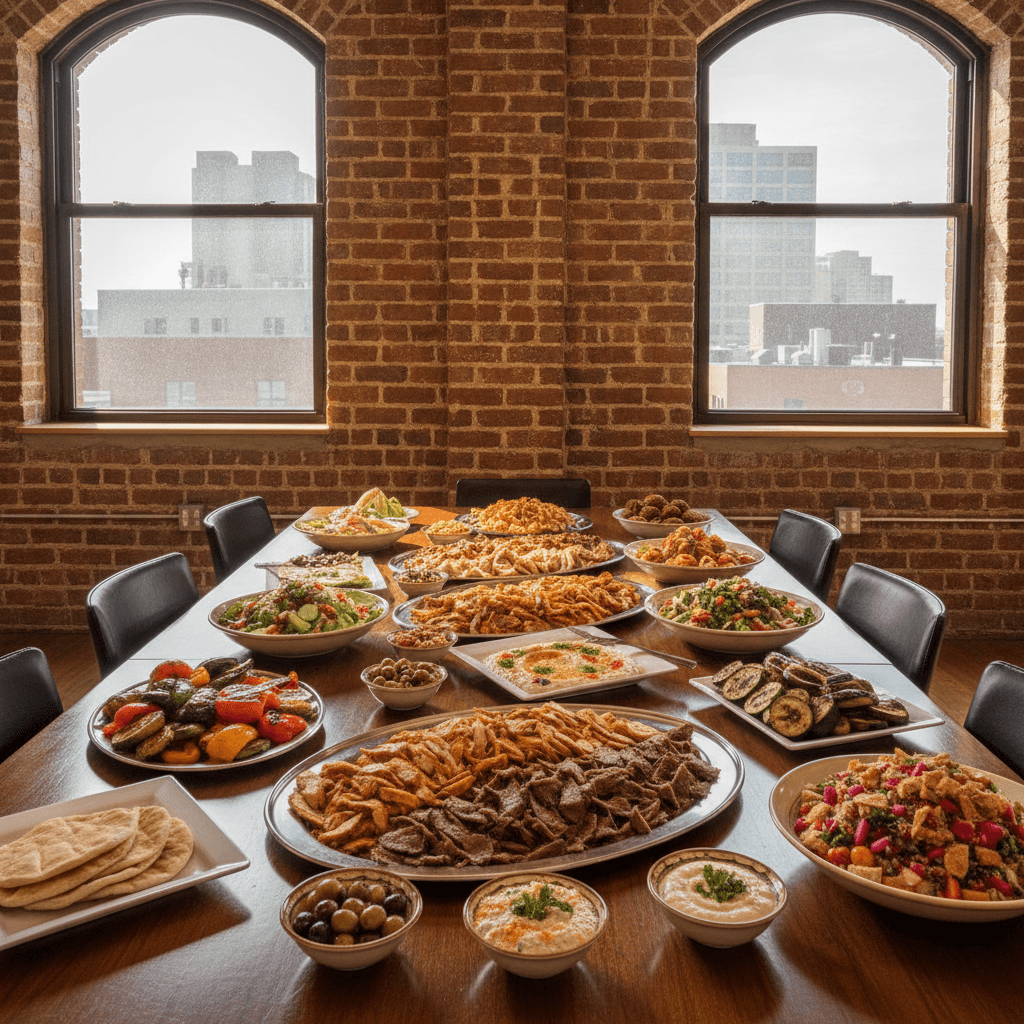

Food delivery for busy weekdays is a simple, scheduled way to get balanced meals to your home or office when time is tight. It reduces decision fatigue, helps you avoid last-minute fast food, and keeps your week on track. In Old Toronto, reliable delivery, smart pickup, and office catering make weekdays smoother.
By Shawarma Moose • Last updated: 2026-06-23
Quick Summary
Plan weekday food delivery by mapping your high-pressure hours, pre-scheduling orders, and mixing delivery, quick pickup, and office catering. Use repeat favorites, saved instructions, and dietary tags to cut friction. In Old Toronto, reliable shawarma delivery and same-day pickup help you stay nourished without slowing your day.
Here’s what you’ll find below:
- Clear definitions and a step-by-step framework for weekday ordering
- When to choose delivery, pickup, or catering for your team
- Sample schedules and checklists you can copy today
- Local Old Toronto tips near Dufferin Grove Park and Ossington
What Is Food Delivery for Busy Weekdays?
Food delivery for busy weekdays is a planned routine for getting meals to your home or office during workdays. It uses pre-scheduled orders, saved preferences, and a flexible mix of delivery, pickup, and light catering so you eat well on autopilot—even when your calendar is full.
In our experience serving Old Toronto, “busy” peaks around commute windows and lunch crunch. That’s why structure beats spontaneity Monday to Friday. A simple routine—standing lunch orders, fast pickup near transit, or pre-arranged team trays—keeps energy up and decisions low.
Core elements of a weekday-ready plan
- Pre-scheduling: Set orders a day ahead to avoid the noon rush.
- Saved favorites: Lock in go-to bowls, wraps, and sides for 30-second reorders.
- Dietary tags: Mark halal, vegetarian, and gluten-friendly preferences so they’re never missed.
- Flexible mix: Combine delivery (home), pickup (on your route), and small catering (office lunch) as your week shifts.
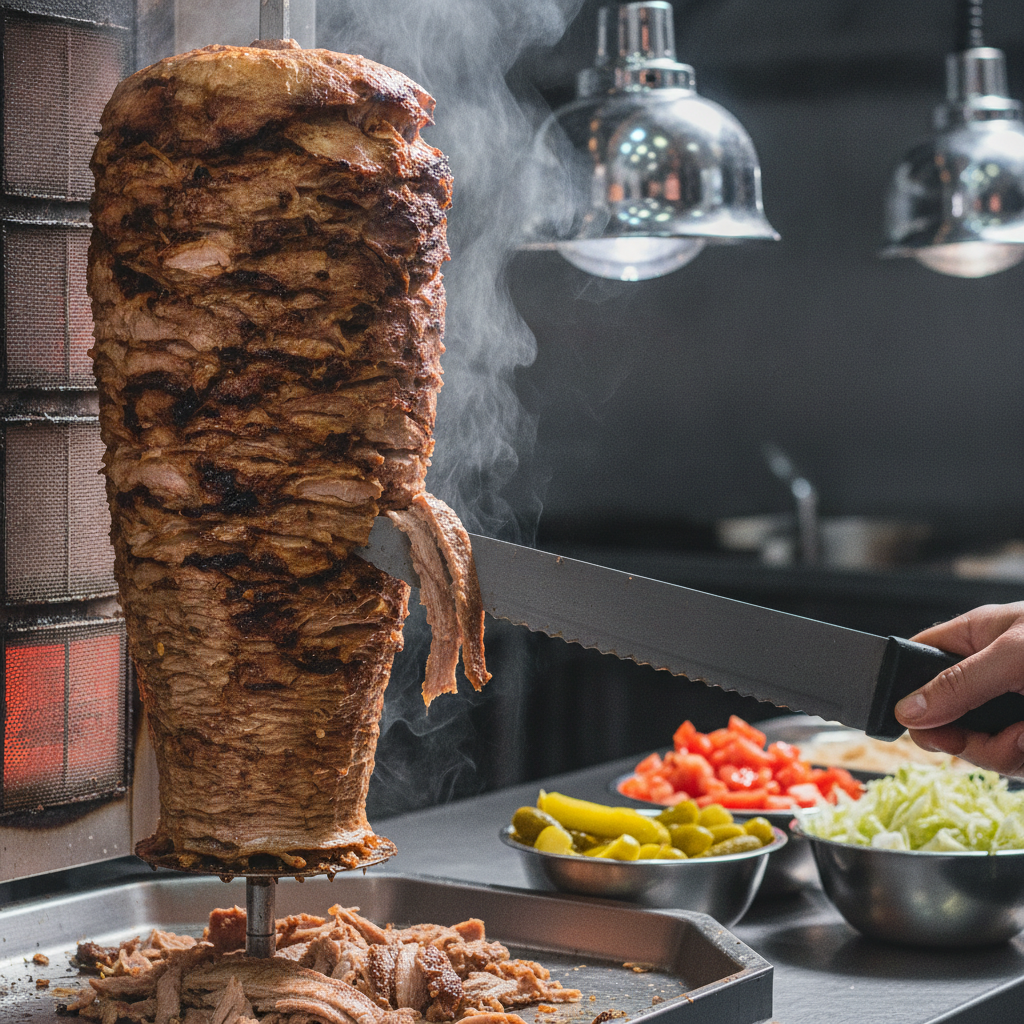
At Shawarma Moose, this shows up as repeat shawarma wraps, rice plates, falafel sides, and Turkish salads queued for delivery or grabbed en route to meetings. Small adjustments—like extra garlic sauce or no onions—save time every time when they’re saved to your profile.
Why Weekday Delivery Matters (and When It Pays Off)
Weekday delivery reduces decision fatigue, protects your calendar, and improves team focus. By planning recurring meals and quick pickups, you cut unplanned breaks and post-lunch slumps. For offices, reliable shared platters avoid 1:00 p.m. delays and keep meetings productive.
Here’s the thing: when lunch choices are ad hoc, work often pauses twice—once to decide and again to fetch food. A simple cadence prevents that stop-start pattern. You stay fueled, teams stay on schedule, and surprises shrink.
Benefits you’ll notice fast
- Time protection: Pre-set orders turn a 20-minute decision into a 2-minute check.
- Better energy: Balanced plates (protein, grains, veg) avoid the afternoon crash.
- Fewer hiccups: Saved delivery notes (buzzer, elevator tips) reduce missed calls and delays.
- Team harmony: Shared trays handle varied tastes—shawarma, falafel, salads—without six separate orders.
For local teams near Ossington, we often pack mixed-protein trays with extra pitas and tahini so a 12:30 p.m. stand-up doesn’t slip. For individuals, repeats like a chicken shawarma wrap with tabbouleh remove guesswork on the busiest days.
How Weekday Delivery and Pickup Work (Step-by-Step)
Start by mapping high-friction hours, then assign delivery, pickup, or catering to each day. Save your top meals, add delivery notes, and set reminders to reorder. For offices, pre-arrange trays and a contact person so meals land before meetings—not during them.
Set up your personal weekday flow
- Audit your week: Flag meeting-heavy days and commute windows.
- Pick a pattern: Example: Mon delivery (home), Tue pickup (near transit), Wed office trays, Thu delivery, Fri pickup.
- Save go-tos: Two wraps, one bowl, two sides you actually crave midweek.
- Write notes: Buzz code, shaded entry, “ring once,” or lobby handoff to speed drop-offs.
- Set reminders: Place the next order when today’s arrives—30 seconds, done.
Office lunch cadence that works
- Choose a captain: One point of contact handles timing and dietary needs.
- Standardize trays: Mix chicken shawarma, falafel, rice, salads, and sauces; scale by headcount.
- Time the drop: Aim for 20–30 minutes before the meeting for setup and settling in.
- Label lightly: Protein labels (chicken, beef, vegetarian) keep the line moving.
When you’re slammed, pickup can be faster than delivery. Grabbing your order on the way from Dufferin Grove Park back to your desk avoids elevator delays and courier ETAs—especially on sunny lunch hours when sidewalks are busy.
Types of Weekday Solutions: Delivery, Pickup, and Catering
Use delivery for at-home focus or late evenings, pickup when you’re already moving, and light catering for groups. Mixing all three gives you control: on-demand convenience, commute-friendly speed, and reliable team meals without six separate receipts.
Compare your options at a glance
| Option | Best For | Planning Needed | Speed | Notes |
|---|---|---|---|---|
| Delivery | Home evenings, heads-down days | Low (save favorites) | Moderate (subject to traffic/elevators) | Great for recurring dinners and late work blocks |
| Pickup | Commute and lunch walks | Low (order ahead) | Fast (you control timing) | Ideal near transit like Ossington Station |
| Light catering | Teams and working sessions | Moderate (set headcount/dietary) | Fast service on arrival | One order, shared variety, fewer disruptions |
When shawarma shines midweek
- Balanced plate: Protein, grains, and vegetables in one bowl or wrap.
- Customizable: Easy swaps for vegetarian or halal-friendly picks.
- Travel-ready: Wraps and trays hold up well in transit and meetings.
For menus, our beef shawarma wrap and falafel plate anchor many weekday routines, with salads and hummus rounding out the spread.
Best Practices to Streamline Your Week
Batch decisions once, then reuse them. Save favorites, pre-schedule high-demand days, and keep dietary notes handy. For teams, standardize a core tray mix and timing window so food arrives 20–30 minutes before meetings, labeled and ready to serve.
Personal ordering playbook
- Two default days: Lock in your toughest days for automatic delivery.
- Commute pickup: Choose one dependable pickup day during your walk.
- Smart sides: Add a salad or soup for variety without rethinking the order.
- Refine notes: Update entrance details after each delivery to shave minutes next time.
Team lunch playbook
- Recurring slot: Same weekday, same time, predictable setup.
- Tray formula: One chicken, one vegetarian, one salad per 6–8 people; add sauces.
- Allergies first: Collect dietary needs in one shared doc before the week starts.
- Cleanup kit: Keep napkins and compostable utensils in a fixed drawer.
Local considerations for Old Toronto
- Plan pickup around green-space breaks: a quick stop after a walk through Dufferin Grove Park keeps your return-to-desk smooth.
- Transit timing matters: if you use Ossington, order for pickup 10–15 minutes before you reach the station to skip queueing.
- Lunch-hour foot traffic spikes: placing orders slightly before noon helps avoid sidewalk congestion and elevator delays.
Want a ready-made plan? Our Toronto food planning tips article pairs well with the checklist below.

Tools and Resources That Help You Stay on Track
Use calendar reminders, saved meal profiles, and team templates to cut rework. Pair pre-scheduled orders with commute-friendly pickup and a simple catering form for groups. Your toolkit should make reordering a 30-second task—not another meeting.
Personal toolkit
- Calendar nudge: A recurring reminder to place tomorrow’s lunch order.
- Saved combos: One wrap, one bowl, one vegetarian option locked in for fast repeats.
- Delivery notes: Buzzer code and drop-off preference saved once.
- Post-meal review: Quick note on what worked to guide next week’s picks.
Team toolkit
- Headcount template: Name, dietary needs, and allergies captured in one sheet.
- Standard tray mix: Chicken, beef, and vegetarian proteins with grains and salads.
- One contact: A single point of contact for building access and timing.
- Pickup plan: When meetings stack, pickup can beat delivery in total time.
For reference on planning shared meals, many local guides outline common tray approaches; see this Toronto-focused shawarma catering guide for an overview of typical portions and variety considerations. Use it to sense-check your own headcount-to-tray ratios.
Old Toronto Examples and Mini Case Studies
Small tweaks create big weekday wins. Individuals save time with two auto-delivery days and one pickup day. Teams improve meeting flow with a recurring tray formula, simple labels, and a 20–30 minute pre-meeting buffer. Here are two Old Toronto scenarios to copy.
Scenario 1: Commuter with a packed Tuesday/Thursday
- Plan: Auto-delivery on Tue/Thu evenings, pickup on Wed near Ossington.
- Meals: Chicken shawarma bowl, beef wrap, and a vegetarian falafel option saved as favorites.
- Notes: Buzzer + elevator tips saved; “porch drop” for evenings.
- Outcome: Fewer late-night stores runs and more consistent dinners.
Copy this by saving two dinners and one lunch you actually enjoy. Then reorder without rethinking—especially on calendar-packed days.
Scenario 2: 12-person sprint review near Dufferin Grove Park
- Plan: Light catering every Wednesday, drop 25 minutes before the review.
- Trays: Mixed proteins (chicken + beef), falafel, rice, two salads, pitas, and sauces.
- Flow: Label by protein; one person opens trays while others plate.
- Outcome: On-time starts and fewer mid-meeting food runs.
Build your own by estimating one shareable protein per 6–8 people, plus staple sides. Keep it consistent week to week so team members know what to expect.
Frequently Asked Questions
Weekday delivery works best when you pre-plan. Save favorites, choose reliable windows, and use pickup for tight commutes. For teams, standardize a tray mix and allow a 20–30 minute pre-meeting buffer. The answers below resolve the most common weekday hurdles.
How do I plan food delivery for busy weekdays without overthinking it?
Pick two auto-delivery days and one pickup day. Save two favorite meals and one vegetarian backup. Add delivery notes once and reuse them. Place tomorrow’s order when today’s arrives. This turns a daily decision into a quick habit that holds up even in hectic weeks.
When is pickup faster than delivery on weekdays?
Pickup is often faster when you’re already out—commuting, running an errand, or walking near transit. Ordering ahead and grabbing your meal near Ossington can beat elevator and lobby wait times, especially during the lunch rush or in buildings with strict courier access.
What’s the easiest way to feed a small office midweek?
Use a light catering set: mixed-protein shawarma, falafel, rice, salads, pitas, and sauces. Appoint one contact for timing and access, label proteins, and schedule delivery 20–30 minutes before the meeting. One order keeps variety high and interruptions low.
How can I keep meals balanced during a packed workweek?
Choose plates and bowls that combine protein, grains, and vegetables. Alternate wraps and salads through the week, and add hummus or tabbouleh for fiber. Saving a “balanced trio” in your favorites makes reordering healthy options automatic.
Conclusion: Make Weekday Eating the Easy Part
Make food delivery for busy weekdays effortless by batching decisions once and reusing them. Mix delivery, pickup, and light catering, save your favorites, and schedule known crunch times. The result is steady energy, fewer delays, and a calmer week for you and your team.
- Key Takeaways
- Lock in two auto-delivery days and one pickup day.
- Save three favorites and delivery notes for fast repeats.
- For teams, standardize a tray mix and a pre-meeting buffer.
- Use local timing—transit and building access—to your advantage.
Next steps
- Set your favorites starting with the beef shawarma wrap or falafel plate.
- Plan a simple office tray using our catering overview.
- Book a weekday-friendly drop time and keep your week moving.
If you’re nearby in Old Toronto, we’d love to help you design a weekday plan that just works—delivery, pickup, or a reliable Wednesday team lunch.