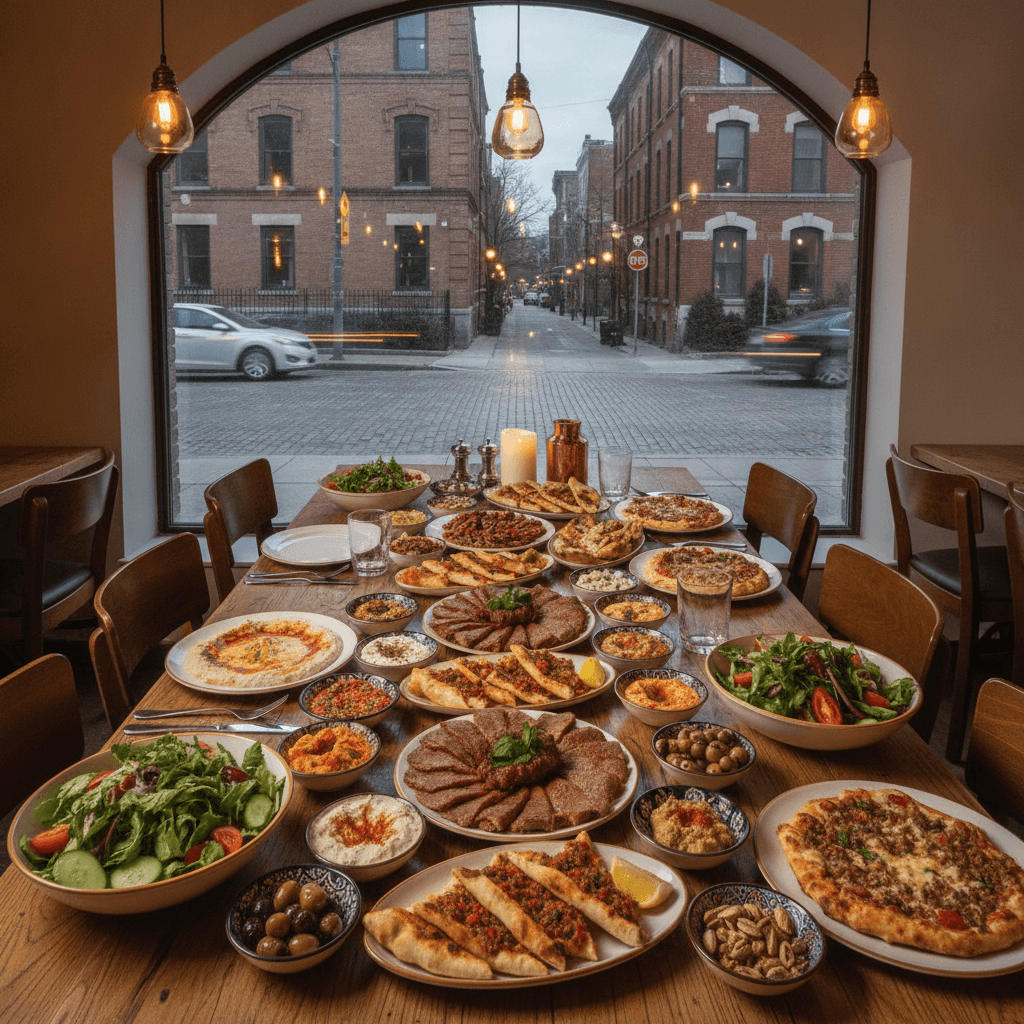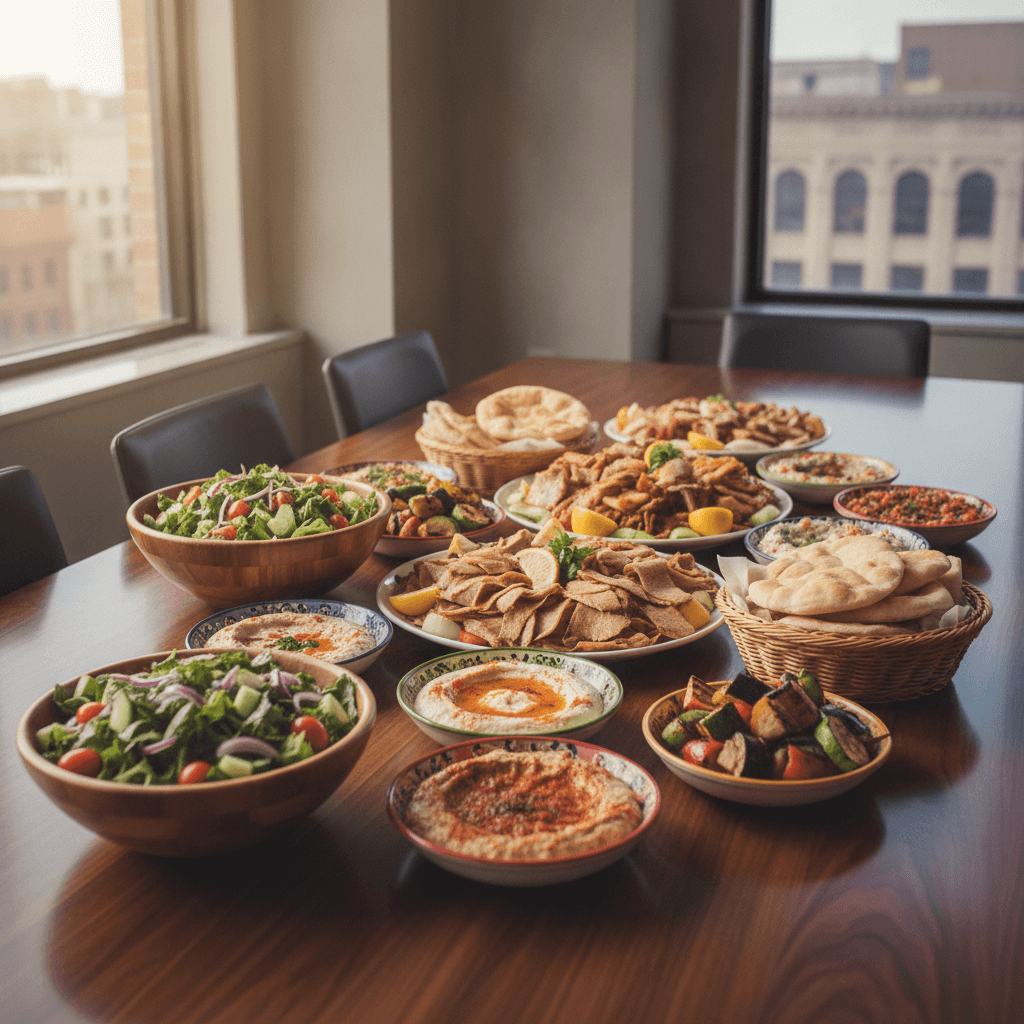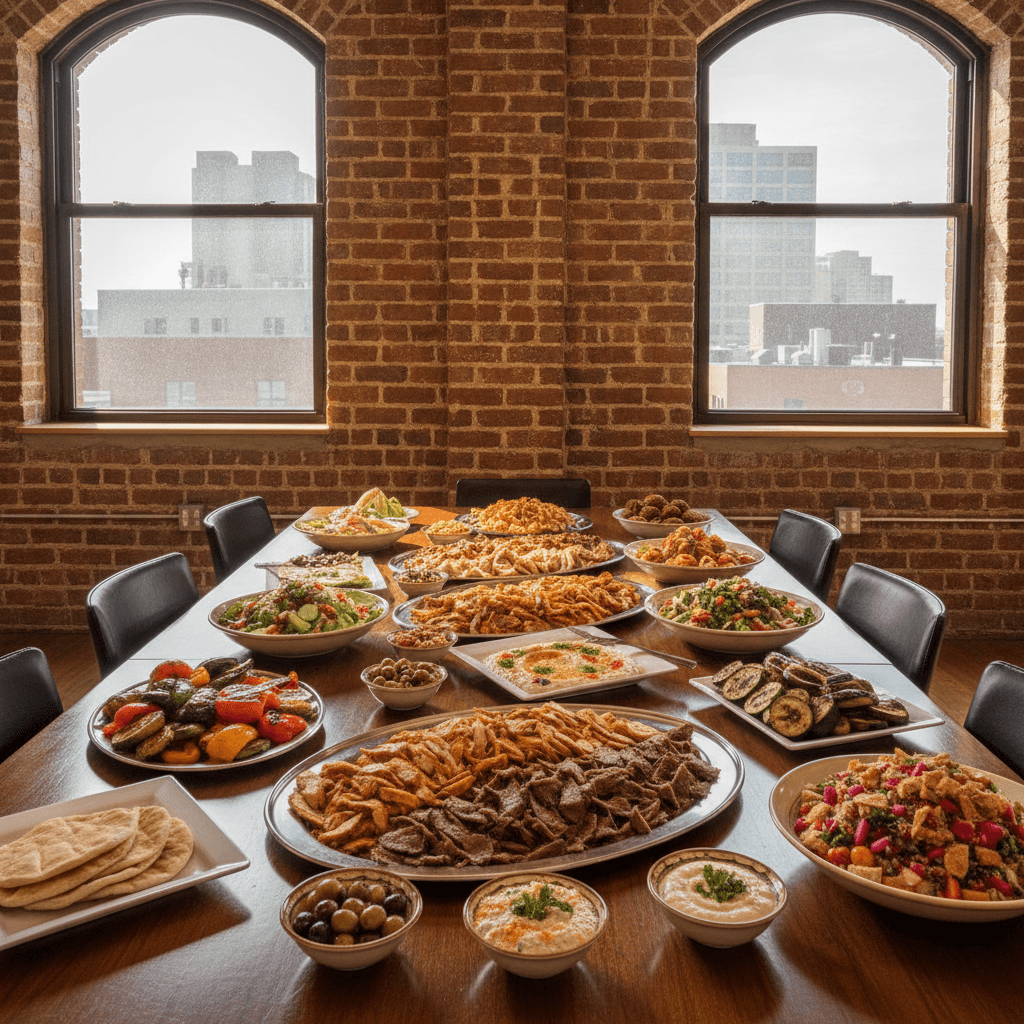
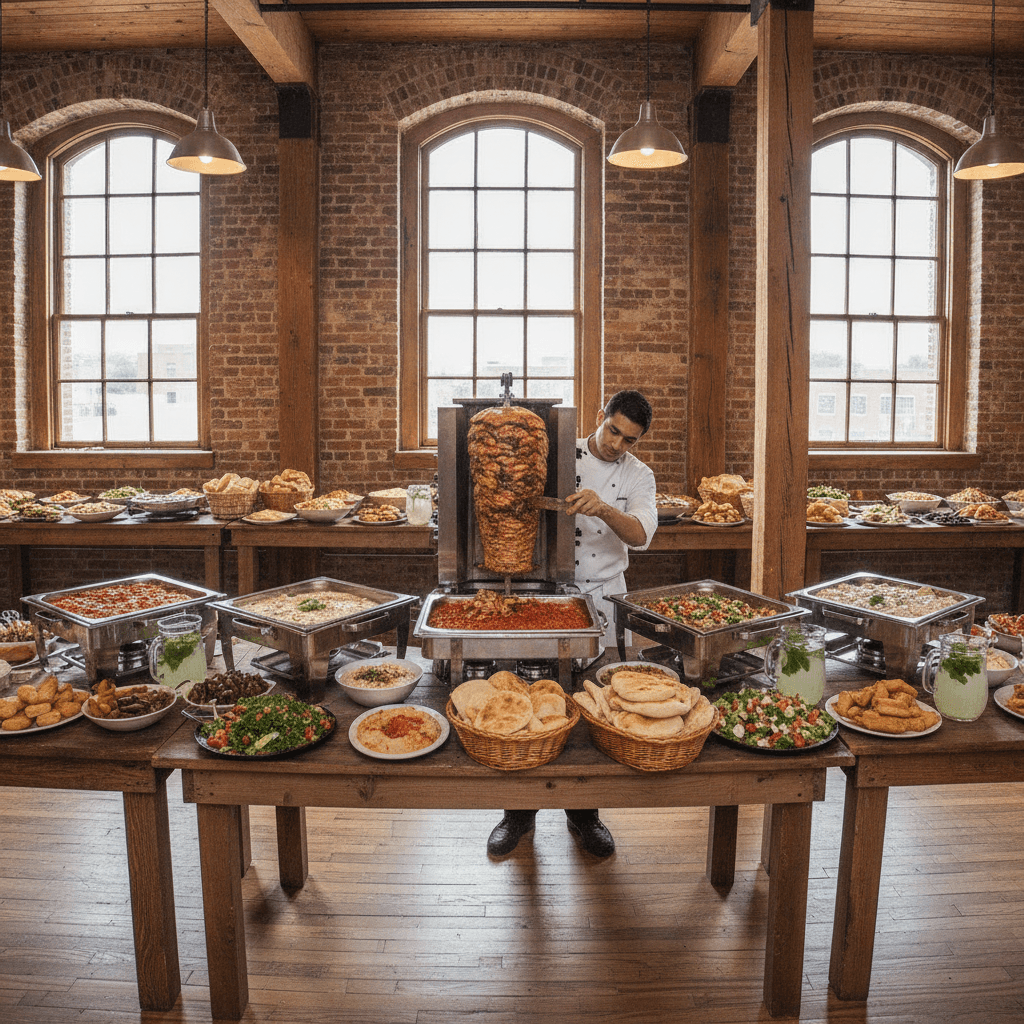
Old Toronto catering for events is the organized preparation, delivery, setup, and service of food for neighborhood gatherings across Old Toronto and the wider Toronto metro. From our kitchen at 898 College St, Shawarma Moose offers authentic Turkish-inspired shawarma menus with online ordering for pickup or delivery, plus full event support. Use this complete guide to plan with confidence and feed crowds fast.
By Shawarma Moose • Last updated: 2026-06-21
Above-Fold Overview & Table of Contents
Plan Old Toronto catering for events by defining headcount, menu style, dietary needs, and delivery timing. Confirm venue rules, service windows, and serve ware. Then lock logistics: drop-off, setup, and cleanup. Use a single point of contact and a 7–14 day timeline to avoid last‑minute scrambles.
Here’s what you’ll get in this complete, local guide:
- What “Old Toronto catering for events” includes—and what it doesn’t
- Menu styles compared (buffet, boxed, live carving) with a quick table
- A buying checklist you can use today to avoid rework
- How we execute reliable delivery and setup from 898 College St
- Eight real-world scenarios for offices, homes, and outdoor meetups
- Best practices for labeling, food safety, and smooth guest flow
What Is Old Toronto Catering for Events?
Old Toronto catering for events is full‑service or drop‑off food support for meetings, parties, and community gatherings within Old Toronto and the Toronto metro. It covers menu planning, prep, transport, setup, service coordination, and post‑event pickup with dietary accommodations and timed delivery windows.
In practice, it’s everything required to serve guests safely and on schedule without burdening your team. For Shawarma Moose, that often means Turkish-inspired shawarma stations, hot sides, crisp salads, and vegan-friendly options delivered on time to offices and homes. The goal is predictable service: correct portions, clear labels, and reliable timing.
- Scope: Menu planning, prep, labeled packaging, insulated transport, setup, and scheduled pickup.
- Service modes: Drop-off buffet, individually boxed meals, or an on-site live carving station.
- Common use cases: Team lunches, investor meetings, birthdays, engagement parties, and neighborhood pop-ups.
- Coverage: Old Toronto first, with reach to downtown offices and nearby neighborhoods.
Why this matters: events run on tight timelines. A caterer who designs for 10-minute service bursts and allergy-aware packaging saves minutes at scale. That’s how a 40-person meeting starts on time and a 120-person open house avoids bottlenecks.
Why Catering Quality Matters for Old Toronto Events
Quality catering protects schedules, guest satisfaction, and food safety. The best providers align hot-holding, portioning, and labeling with venue rules and delivery windows. In Old Toronto, dense traffic and tight loading zones demand precise timing and insulated equipment.
Events succeed when food arrives hot, fresh, and clearly labeled. It’s not just taste; it’s logistics. Staff eat within short windows, and families mingle around set activities. Precision is the difference between calm and chaos.
- Timing windows: Many office floors allow 10–15 minutes for setup before a meeting begins, so staging matters.
- Food safety: Hot items need hot-holding; cold salads stay chilled until service for freshness and safety.
- Labeling: Clear allergen notes reduce risk and speed buffet flow for omnivore and vegetarian/vegan guests.
- Traffic-aware routing: Downtown deliveries buffer for rush hour and event-day closures to protect your agenda.
From our College St kitchen, we stage orders in insulated carriers and batch-label proteins, toppings, and sauces so guests can build plates fast without confusion.
How Old Toronto Catering Logistics Work (From Order to Cleanup)
The catering workflow moves from inquiry and headcount to menu selection, scheduling, kitchen prep, insulated transport, setup, service support, and post‑event pickup. A single coordinator confirms venue access, elevators, and loading rules to keep everything on time.
- Inquiry: Share date, headcount, dietary needs, and venue details. A brief call aligns expectations.
- Menu selection: Choose buffet, boxed, or a live shawarma station with sides, salads, and meze.
- Scheduling: Lock the delivery window and access notes (concierge, elevator, parking, stairs).
- Prep & labeling: Batch-cook proteins; label allergens on trays and boxes; prep backups for vegetarian/vegan.
- Transport: Load insulated carriers; route for Old Toronto traffic patterns and building load-in rules.
- Setup: Chafers, platters, tongs, and tent cards arranged for flow; power checked for hot-holding.
- Pickup: Post-event tray collection or same-day teardown based on the venue’s schedule.
Use a single point of contact on event day for updates. In our experience, one phone call can save five minutes of waiting at a loading dock—enough to keep a 12:00 p.m. meeting on track.
Menu Types, Portioning, and When to Use Each
Select the menu style around space, schedule, and dietary needs. Buffets maximize variety and speed. Boxed meals control portions and allergens. Live carving stations elevate experience for milestone events with adequate space and ventilation.
Buffet builds (fastest flow)
- Best when guests arrive in waves and need quick service.
- Pairs with shawarma proteins, warm rice, roasted potatoes, salads, and meze for build-your-own plates.
- Ideal for 25–150 with room for a line and chafers; duplicate sauce sets reduce bottlenecks.
Individually boxed (most controlled)
- Great for boardrooms and training rooms with tight agendas where 10–15 minutes is the only break.
- Labeling by protein and allergens keeps decisions quick and lines short.
- Easy headcount reconciliation; leftovers are portable and tidy.
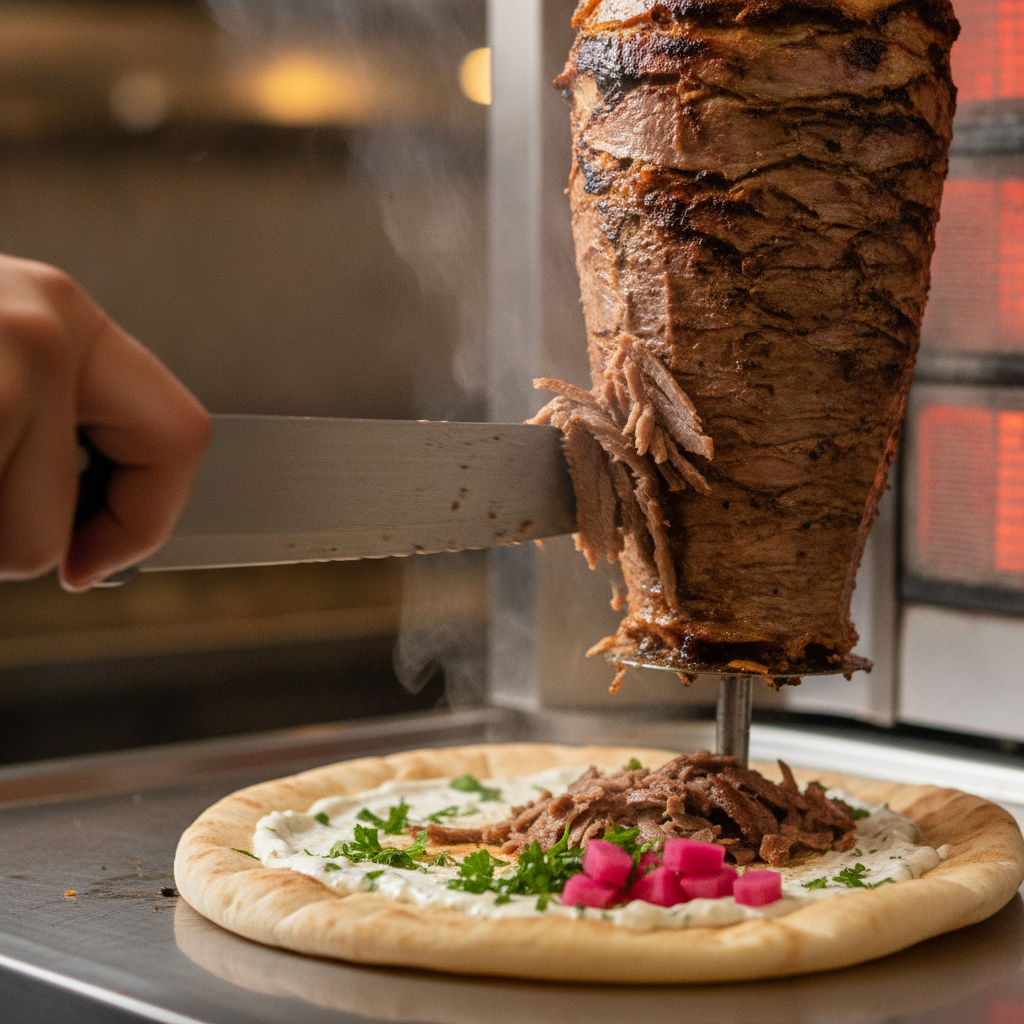
Live shawarma carving (highest impact)
- Creates a centerpiece and made-to-order freshness with showmanship.
- Requires building permissions and space for equipment; check ventilation rules in advance.
- Best for milestone celebrations, VIP visits, and activation-style gatherings.
| Style | Speed | Dietary control | Space needed | Best for |
|---|---|---|---|---|
| Buffet | Very fast | Medium | Moderate | Team lunches, mixed diets |
| Boxed | Fast | High | Low | Boardrooms, training |
| Live station | Moderate | High | High | Milestones, VIPs |
Want a deeper dive into menu structures? See our Toronto event catering menu options guide for sample builds and flow diagrams.
Buying Guide: Your Old Toronto Catering Checklist
Use a 10‑point checklist: headcount, dietary mix, menu style, venue access, service window, equipment needs, labeling, hot/cold holding, cleanup plan, and a single contact. Lock these details 7–10 days out to reduce risk.
- Headcount & diet mix: Omnivore, halal-friendly, vegetarian, vegan, and gluten-aware splits.
- Menu style: Buffet, boxed, or live station—match to schedule and room layout.
- Venue details: Loading, elevator booking, stairs, and room distance from entry.
- Service window: Exact start/finish times; buffer for AV checks or speeches.
- Allergen labeling: Clear tags on trays and boxes; separate utensils for common allergens.
- Hot/cold holding: Power availability; placement for chafers and chilled salads.
- Serving ware: Napkins, cutlery, compost/recycling plan to ease cleanup.
- Pickup: Same-day teardown vs next-morning tray collection.
- Point person: On-site cell number for quick load-in communication.
- Contingency: Plan 5–10% extra portions for last-minute guests.
For a printable version with room mapping tips, explore our private event catering checklist.
Menu Planning with Shawarma Moose (Authentic Turkish Flavors)
Plan around crowd-pleasers: marinated chicken or beef shawarma, falafel, rice, roasted potatoes, fattoush, tabbouleh, hummus, and warm pitas. Add vegan and gluten-aware options, and label everything clearly to speed service and protect guests.
From our Old Toronto kitchen, we build menus that let guests customize plates without slowing the line. Our team’s focus is authenticity and consistency—spices balanced for everyday palates, portions tuned for office lunches and family celebrations.
- Proteins: Chicken shawarma, beef shawarma, and falafel.
- Salads & sides: Fattoush, tabbouleh, tahini-dressed slaw, rice, and roasted potatoes.
- Meze & sauces: Hummus, baba ghanoush, garlic sauce, pickled turnips, and sumac onions.
- Breads: Warm pita; lettuce wraps for gluten-aware guests.
- Labeling: Allergen callouts and protein tags on trays and boxes for quick navigation.
We recommend a simple rule of thumb for variety: at least two proteins, two salads, one starch, and two sauces for groups above 20. For 60+ guests, duplicate the toppings line to keep wait times short.
Need inspiration? Browse our corporate catering sample menus and the build-your-own catering options to tailor the spread.
Local Delivery, Setup, and Access in Old Toronto
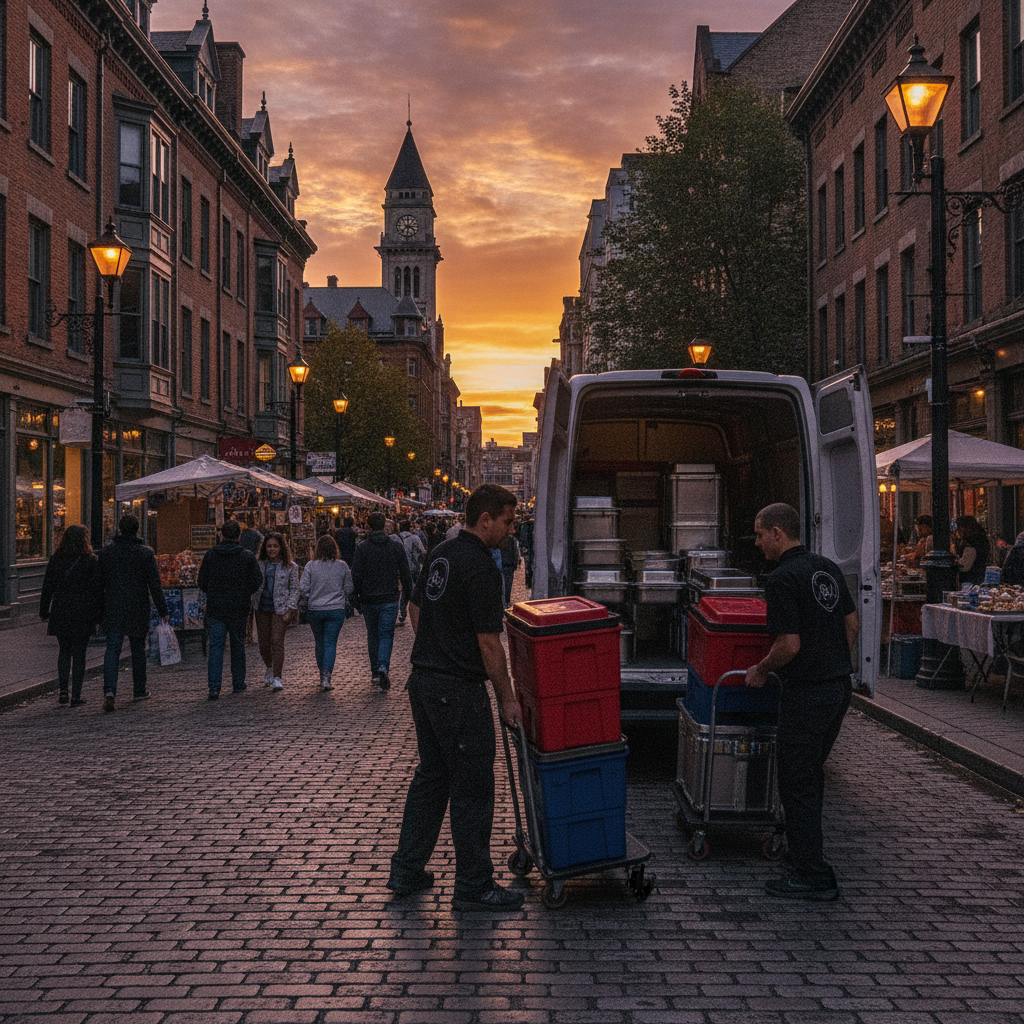
For Old Toronto events, plan deliveries around street parking, elevator booking, and room distance from entry. Share exact times, buzzer codes, and a cell contact. Our team routes from College St with insulated carriers to keep hot foods hot and salads crisp.
Local considerations for Old Toronto
- When booking weekend picnics near Dufferin Grove Park, provide a precise drop point to minimize walking distance with carriers.
- Rush periods near Ossington can extend unload times. Buffer delivery by 10–15 minutes during evening events.
- Older buildings sometimes have narrow service stairs. Tell us in advance so we scale equipment and tray sizes.
We align with your building rules and timing. If your concierge allows a 15-minute load-in, we’ll stage items in sequence: chafers and water pans first, proteins second, salads last—so nothing sits out longer than needed.
Best Practices and Food Safety Signals
Reliable caterers label allergens, separate utensils, and keep hot foods hot and cold foods cold. They also use time-stamped packaging and maintain clean, organized setups. Ask for their reheating/holding approach and how they manage vegetarian and halal-friendly options.
- Hot-holding: Use chafers and lids; insulate during transport; check water pans every 20–30 minutes.
- Cold chain: Salads and dips travel chilled; place on tables right before service, not an hour early.
- Allergen protocols: Color-coded utensils; separate falafel and salad areas for vegetarian/vegan integrity.
- Waste plan: Clear instructions for compost and recycling ease venue cleanup and reduce end-of-day stress.
These basics are non-negotiable for any professional caterer operating in Toronto venues. For buffet structures and timing, our office buffet overview breaks down typical flow and tray rotation.
Tools & Resources We Rely On
Efficient events use insulated carriers, full and half-size chafers, cambros, portion tongs, and stackable trays. A simple site diagram, labeled menu cards, and a shared contact sheet reduce on-site questions and keep lines moving.
- Insulated food carriers to protect temperatures during Old Toronto traffic.
- Full/half chafers sized to room tables; water pans and sterno for steady heat.
- Stackable trays with clear lids for meze and salads; keep backups chilled.
- Menu tent cards for dietary clarity at a glance.
- Service diagram mapping entry, buffet line, AV, and trash/compost stations.
Want a structured planning framework? Our catering package guide helps match tools to your space and schedule.
Case Studies: 8 Old Toronto Event Scenarios
Plan for real-world constraints. These eight scenarios show how menu style, labeling, and delivery windows adapt for Old Toronto offices, homes, and outdoor gatherings—all using Shawarma Moose’s Turkish-inspired shawarma menus.
- Boardroom lunch (20): Individually boxed shawarma wraps labeled by protein; salads in shareable bowls; 12:00 p.m. delivery to the concierge dock; 10-minute setup.
- Sales kickoff (75): Buffet with two proteins, rice, potatoes, two salads; tent cards for allergens; 20-minute setup buffer for AV checks.
- Backyard birthday (30): Buffet drop-off; cooler-stored salads; insulated carriers; pickup next morning to keep the party uninterrupted.
- Investor visit (18): Boxed and plated hybrid; staffer plates for guests with limited mobility; quiet setup to avoid disrupting presentations.
- Neighborhood picnic (60): Pre-portioned bowls; compostable ware; defined trash/compost staging to keep the park tidy.
- Evening meetup (45): After-hours delivery; labeled toppings bar; quick teardown for venue changeover at 8:45 p.m.
- Holiday open house (120): Two parallel buffet lines; extra tongs and duplicate sauces to avoid bottlenecks during peak 30-minute window.
- Workshop day (35): Boxed lunches with numbered attendee list; backup vegetarian boxes on hand for drop-ins.
Soft CTA: Planning an Old Toronto event? Start with our event food planning tips and send us your headcount and venue access notes.
Working with Shawarma Moose: Process & Promises
We confirm details early, label thoroughly, and deliver on time from 898 College St. Expect clear communication, insulated transport, and flexible menu builds with authentic Turkish flavors. Our goal is to make you look good while guests eat well.
- Single point of contact from inquiry to pickup for clarity.
- Sample menus for omnivore and vegetarian/vegan guests with clear labeling.
- Flexible drop-off or staffed setups based on venue rules and timelines.
- Transparent coordination for elevators, docks, and room distances.
Explore our Catering in Toronto options for group styles and service formats tailored to Old Toronto venues.
Frequently Asked Questions
Catering FAQs focus on headcount, dietary needs, setup timing, and packaging. Plan for clear labeling, insulated carriers, and a precise delivery window. Align portions and service style to your venue, schedule, and guest mix for a smoother day.
How far in advance should I book Old Toronto catering for events?
For weekday lunches, a few business days is often fine; for peak seasons and live stations, secure your date 1–2 weeks ahead. Early booking helps with building access, staffing, and ingredient planning.
What dietary accommodations can you handle?
We support halal-friendly proteins, vegetarian and vegan builds, and gluten-aware swaps like lettuce wraps. We label trays and boxes, separate utensils, and can set up a dedicated vegetarian/vegan area when space allows.
Do you provide serving ware and setup?
Yes. For buffets, we bring chafers, water pans, and serving utensils. For boxed meals, we include napkins and cutlery on request. We’ll confirm venue tables and power for hot-holding before delivery.
What’s the best menu style for a tight schedule?
Boxed meals move fastest for short breaks and training rooms. Buffets serve larger groups quickly when space allows. Live carving adds impact for milestones but needs more room and coordination.
Key Takeaways
Lock logistics, label well, and choose a menu style that fits your venue and schedule. With Old Toronto deliveries from College St, we keep food hot, salads crisp, and service lines moving so your event stays on time.
- Define headcount, dietary mix, and service window early.
- Pick buffet, boxed, or live station based on flow and space.
- Share access details: elevators, docks, stairs, and room distance.
- Expect clear labels and separated utensils for allergens.
For deeper planning context and menu inspiration, see these resources on our network: a primer on why shawarma catering works for diverse Toronto crowds, a focused look at private event catering with Turkish dishes, and our Catering in Toronto overview for service styles.