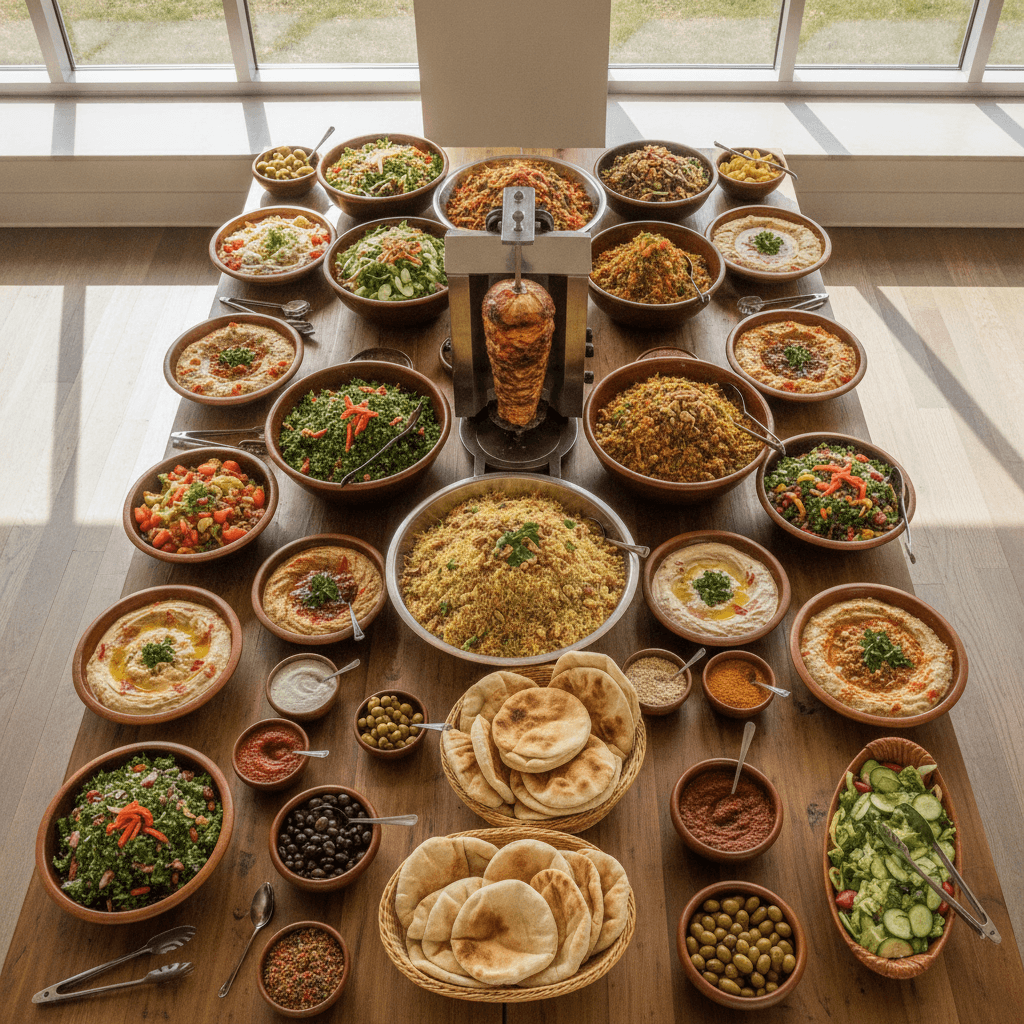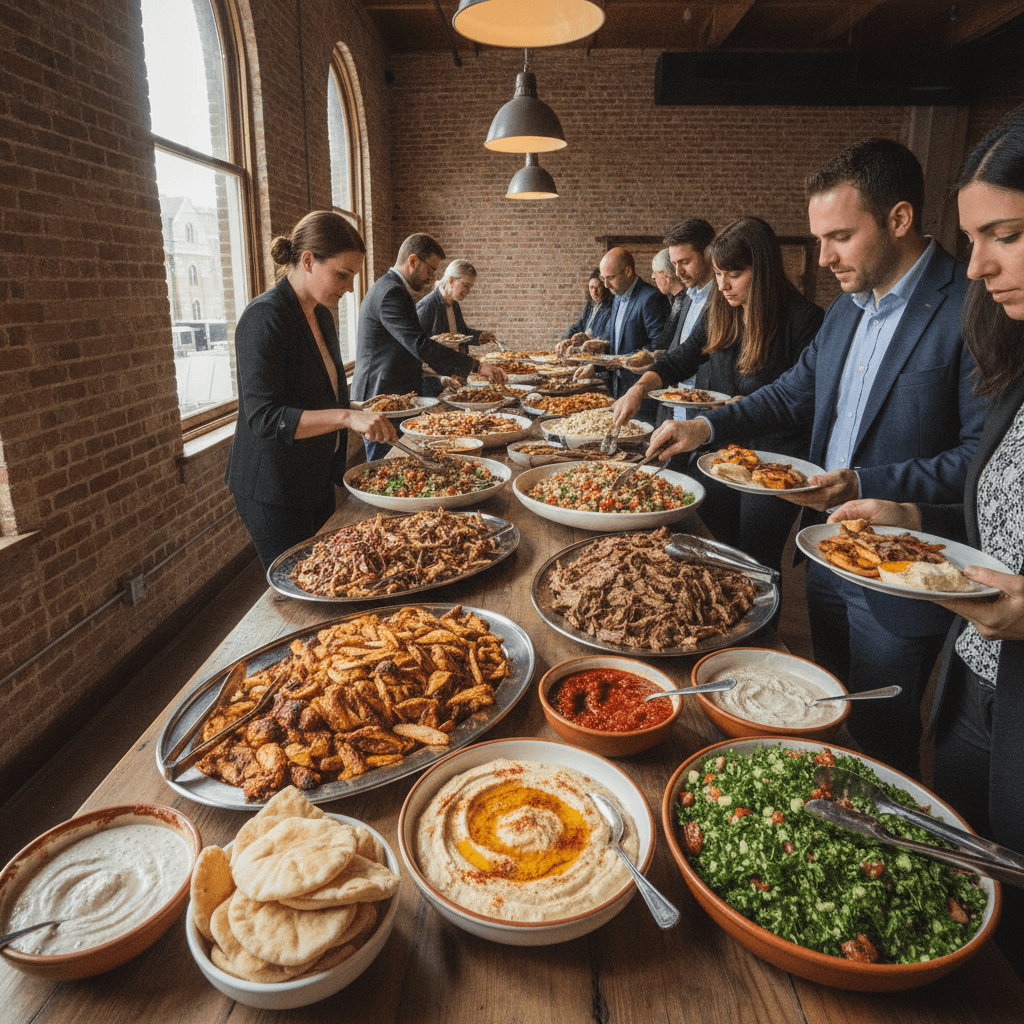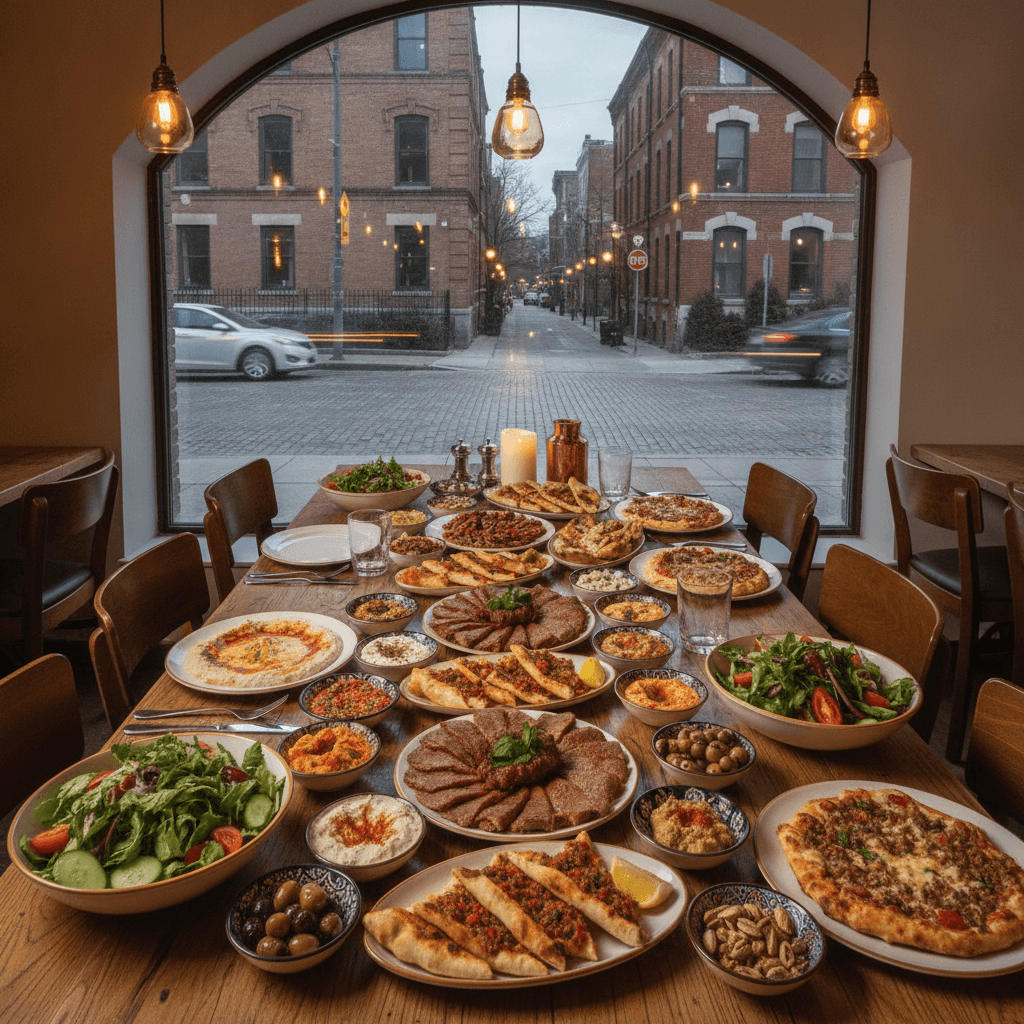
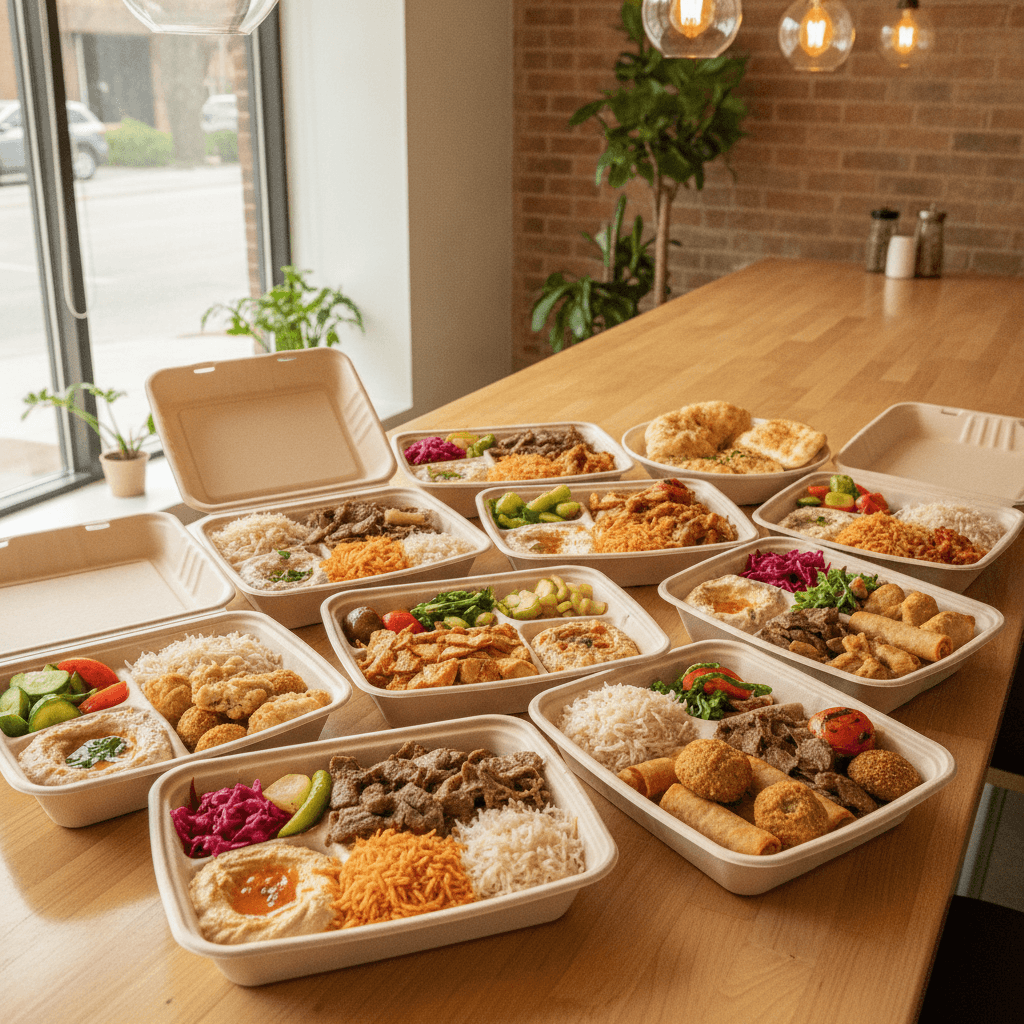
An online food ordering checklist is a step-by-step set of actions that ensures your delivery, pickup, or catering order is accurate, safe, and on time. It covers menu choices, dietary notes, delivery details, and post-delivery food safety. For Old Toronto diners ordering shawarma or Turkish cuisine, it helps you get every detail right the first time.
By Shawarma Moose • Last updated: 2026-06-30
Quick Summary
Use this online food ordering checklist to confirm your items, customize toppings, add dietary notes, select delivery or pickup, verify your address or pickup window, and follow basic food-safety steps on arrival. It reduces mistakes, speeds checkout, and keeps group, office, and catering orders organized.
This complete guide is built for Shawarma Moose customers who order online for delivery, pickup, or catering. You’ll find simple steps, pro tips, a buying guide, and a comparison table for delivery vs. pickup vs. pre-scheduled catering. We also include local notes for Old Toronto and two nearby transit landmarks.
What Is an Online Food Ordering Checklist?
An online food ordering checklist is a practical sequence you follow before placing and receiving your order. It confirms menu selections, dietary needs, contact details, delivery or pickup timing, and post-delivery food handling. The result is fewer errors, smoother logistics, and meals that arrive just the way you want.
Think of it as the playbook behind every smooth delivery or pickup. It makes ordering shawarma bowls, wraps, and Turkish sides fast, accurate, and stress-free. When you’re planning lunch for your team or platters for an event, a checklist is the easiest way to keep everything aligned.
Core elements you’ll cover
- Menu clarity: Choose mains (chicken, beef, falafel), sides, and drinks in one pass.
- Customizations: Toppings, sauces, and heat level set for each person or platter.
- Dietary notes: Add allergy restrictions or preferences in the order notes.
- Logistics: Delivery time window or pickup slot, contact phone, and building details.
- Food safety basics: Plan to refrigerate promptly and reheat safely if needed.
For individual meals, the list is short. For group or corporate catering, the same framework scales: consolidate headcount, label preferences, and schedule delivery to match your agenda.
Why a Checklist Matters for Delivery, Pickup, and Catering
A checklist prevents ordering errors, missed dietary notes, and late arrivals. It also protects food quality once delivered by prompting quick refrigeration and safe reheating. The payoff: happier guests, fewer last‑minute fixes, and consistent experiences for teams and events.
Ordering online is easy—until one small detail goes sideways. A missing sauce, the wrong pickup time, or an unshared delivery note can derail a lunch meeting. In our experience supporting Toronto offices and families, simple pre-checks avert most mishaps.
- Consistency for teams: Repeatable steps that work every time, even with rotating coordinators.
- Dietary confidence: Clear labeling reduces stress for guests with food allergies.
- Timing control: Aligns arrival with lunch breaks, board meetings, or event run-of-show.
- Quality on arrival: You’re ready with serving gear and a plan to hold food safely.
Safe handling matters, too. Guidance from CDC food safety basics emphasizes keeping hot foods hot and cold foods cold. That same principle applies to delivery: have a clear spot ready to stage, serve, and store meals the moment they arrive.
How the Online Food Ordering Checklist Works (Step-by-Step)
Work through six steps: plan headcount and menu; select items and customizations; add dietary notes; choose delivery or pickup; verify contact and timing; prepare for safe serving and storage. This sequence scales from single meals to large catering orders.
- Plan your order: Confirm headcount and appetites (light lunch vs. hearty platters). For catering, factor in serving utensils and table space.
- Build the menu: Select mains and sides in one pass to avoid backtracking. For example, start with a chicken shawarma plate or a beef shawarma plate, then add falafel and dips.
- Customize and label: Set sauces, toppings, and spice level. Use order notes to tag allergy-safe meals (e.g., “no sesame,” “gluten-conscious”).
- Choose delivery or pickup: Delivery suits back-to-back meetings; pickup is great if you’re already nearby.
- Verify details: Double-check time windows, phone number, buzzer info, elevator or loading instructions, and a backup contact.
- Stage for arrival: Clear a serving surface and plan refrigeration if lunch is held for later.
We’ve found this sequence takes just a few minutes and eliminates nearly all preventable mix-ups for both small and large orders.
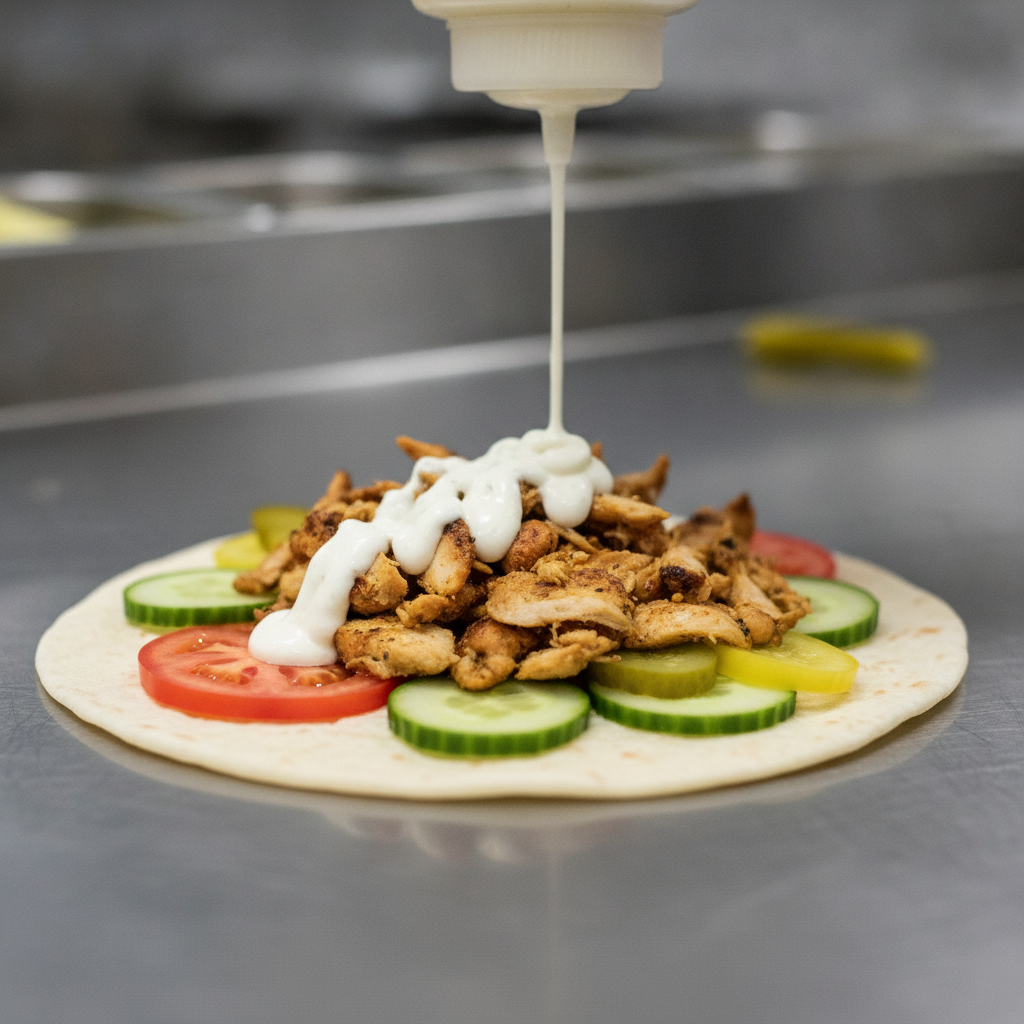
Delivery vs. Pickup vs. Pre‑Scheduled Catering (Comparison)
Choose delivery for convenience during meetings, pickup for speed and control when you’re nearby, and pre‑scheduled catering for labeled platters and timed drop-offs. Match the method to headcount, timing, and serving needs.
| Method | Best for | Pros | Considerations | Checklist focus |
|---|---|---|---|---|
| Delivery | Office lunches, busy days | Hands-free arrival; great for meetings | Provide buzzer/loading notes; be available | Exact address, time window, contact phone |
| Pickup | Nearby errands, commuters | Fast handoff; full control of timing | Parking/traffic; keep food hot or cold | Pickup window, carry bags, quick route |
| Pre‑scheduled catering | Team events, workshops | Labeled platters; scalable portions | Order ahead; serving space/utensils | Headcount, labeling, drop‑off location |
When delivery wins
- Back-to-back meetings: No one needs to leave the office.
- Limited kitchen space: Meals arrive ready to serve with minimal prep.
- Multiple diets: Individual bowls and wraps simplify labeling and distribution.
When pickup is ideal
- Close by already: Swing by during an errand and control your exact timing.
- Traffic savvy: Avoid rush windows and use the fastest route to your venue.
- Temperature control: Bring an insulated bag for longer rides.
When catering shines
- Workshops and off-sites: Pre-labeled platters and predictable portions keep agendas on track.
- Large teams: Consolidated ordering reduces errors and speeds setup.
- Dietary variety: Mix shawarma proteins and vegetarian options in one delivery.
If you’re leaning catering, our catering checklist shows how to size platters and plan run-of-show step by step.
Tools and Resources to Streamline Your Order
Use clear order notes, saved addresses, and labeled items to accelerate checkout and prevent errors. For groups, centralize preferences and confirm headcount. For events, pre-schedule drop-off and staging with your caterer.
- Saved details: Keep addresses, buzzers, and phone contacts updated for faster repeat orders.
- Order notes: Capture allergies and labeling rules in one place.
- Menu references: Preview plates like the mix shawarma plate and falafel plate before you begin.
- Event planning aids: See our online ordering mistakes to avoid to prevent last‑minute scrambles.
- Pre-scheduled catering: Coordinate labeled platters and timed drop‑offs via catering in Toronto.
Mini Case Studies: Real Scenarios from Nearby Teams
Teams near Old Toronto improve results by batching decisions, adding clear notes, and planning staging. These snapshots show how the checklist prevents missed items, late meals, and food‑safety gaps across meetings and celebrations.
Weekly team lunch (12 people, office delivery)
- Challenge: Frequent sauce mix-ups and late arrivals during a recurring meeting.
- Checklist fix: One coordinator used a single notes template with labels like “veg,” “no sesame,” “extra garlic.”
- Outcome: Deliveries arrived 15 minutes early; setup completed before the meeting started.
Workshop day (30 people, catering platters)
- Challenge: Serving delays and crowded tables.
- Checklist fix: Pre‑scheduled catering platters with utensils, plus a two-table layout for mains and salads.
- Outcome: Guests plated in under 10 minutes; dietary labels reduced chatter and sped the line.
After-hours pickup (family celebration)
- Challenge: Tight window around commute and kids’ activities.
- Checklist fix: Scheduled pickup just after transit arrival at Dufferin, with insulated totes in the car.
- Outcome: Hot foods stayed hot; salads stayed crisp back at home.
Common Ordering Mistakes (and How to Avoid Them)
Most mistakes trace back to missing notes, unclear timing, or mismatched methods. Label dietary needs, confirm delivery windows, and pick the right path—delivery, pickup, or catering—to match your day.
- Forgetting dietary notes: Capture allergies and preferences in the order notes every time.
- Vague addresses: Add suite/floor and buzzer info to avoid delivery delays.
- Under‑portioning for groups: Use platters and add sides—salads, dips, and extra pitas go a long way.
- No staging plan: Set up serving space and waste/recycling ahead of time.
- Ignoring food safety: Refrigerate promptly; reheat correctly if serving later.
For a deeper dive on pitfalls, review our companion guide on online ordering mistakes.
FAQ: Online Food Ordering Checklist
These quick answers cover timing, dietary notes, reheating, and choosing between delivery, pickup, and catering. Use them as a reference when placing your next order.
What should I double-check before I place an online order?
Confirm items, customizations, and dietary notes. Verify delivery address or pickup window, plus a reachable phone number and buzzer instructions. For groups, align arrival with your agenda and prepare a serving surface before the food shows up.
Is delivery, pickup, or catering better for office lunches?
Delivery is best for back-to-back meetings. Pickup is fastest when you’re already nearby. Catering works well for larger groups that need labeled platters and predictable portions. Match the method to headcount, timing, and serving needs.
How do I handle leftovers safely after delivery?
Refrigerate promptly and keep hot foods hot, cold foods cold. For general guidance on safe handling and reheating, review resources from the CDC and FDA. When reheating, use a food thermometer to confirm safe internal temperatures.
What if guests have multiple dietary restrictions?
Group items by label—vegetarian, no sesame, extra garlic—and include these in your order notes. Mix shawarma proteins and vegetarian options like falafel, and plan a simple layout so guests can identify their meals quickly.
Conclusion and Next Steps
Use this online food ordering checklist to reduce errors, protect food quality, and keep events on schedule. Decide method, label clearly, verify timing, and plan safe serving. A few minutes of prep pays off with smooth, reliable meals.
- Key actions: Plan headcount, build the menu, add notes, choose delivery/pickup/catering, verify timing, and stage for serving.
- Explore catering: When feeding a crowd, pre‑arrange catering platters and timed drop-offs.
- Keep learning: Review catering menu options and ordering mistakes to avoid.
Ready to plan? Tell us your headcount and timing, and we’ll help you finalize a practical, labeled spread for your team or celebration.
Soft CTA: Planning a team lunch or celebration? Start with our Toronto catering options or build plates like the chicken shawarma plate to keep things simple.