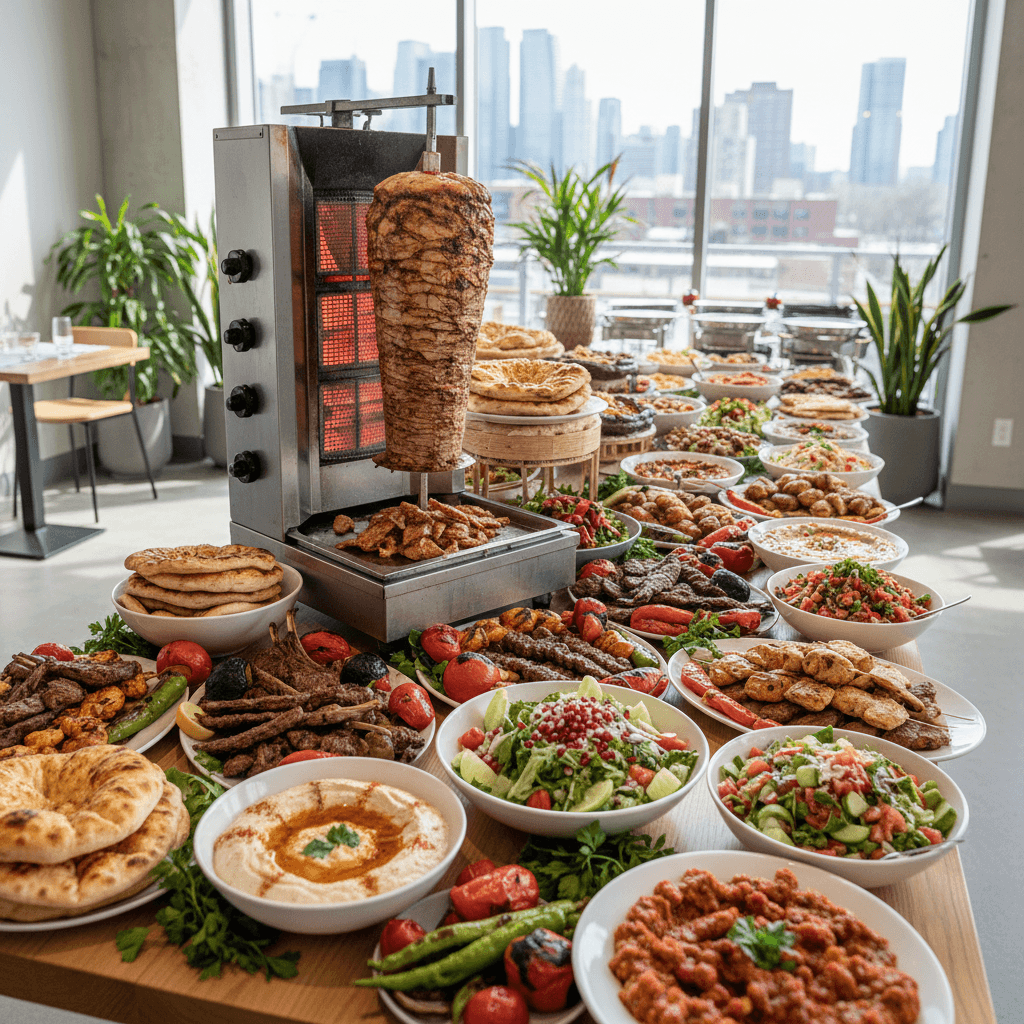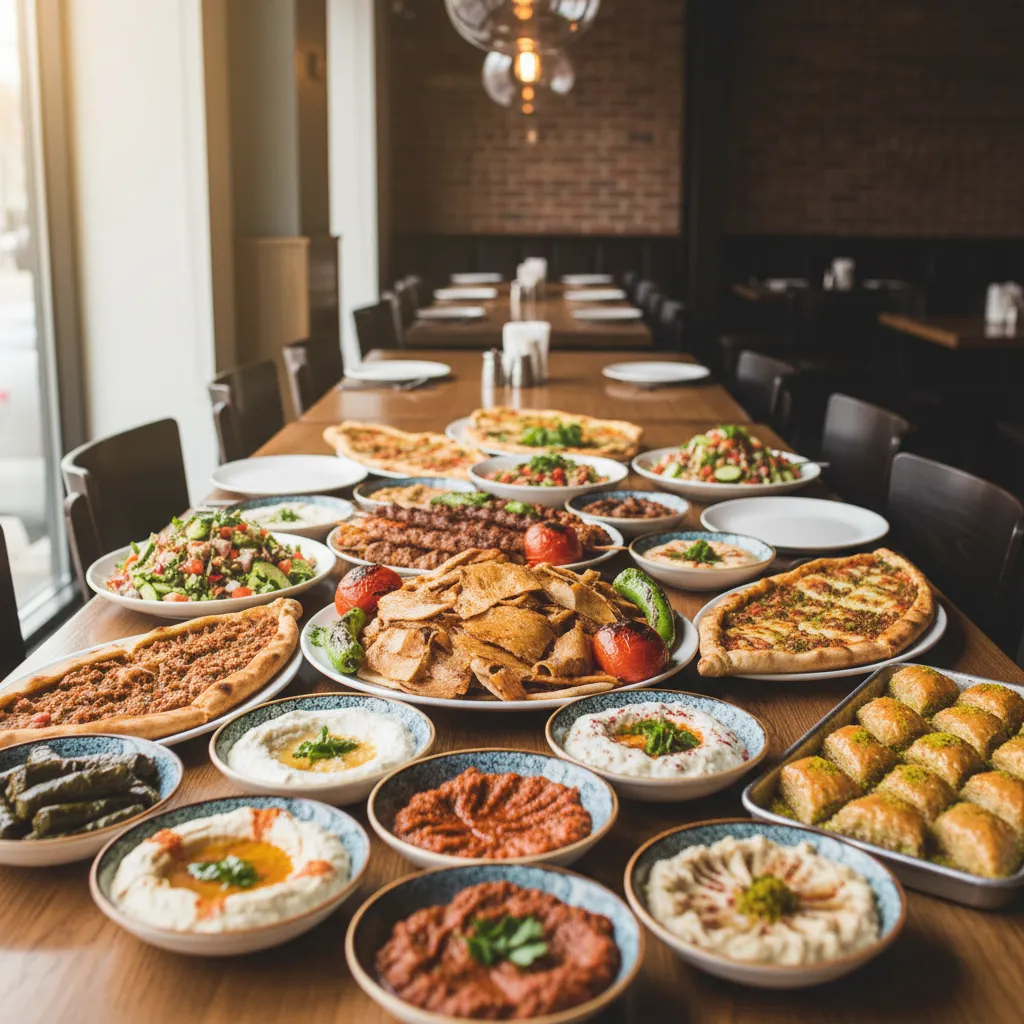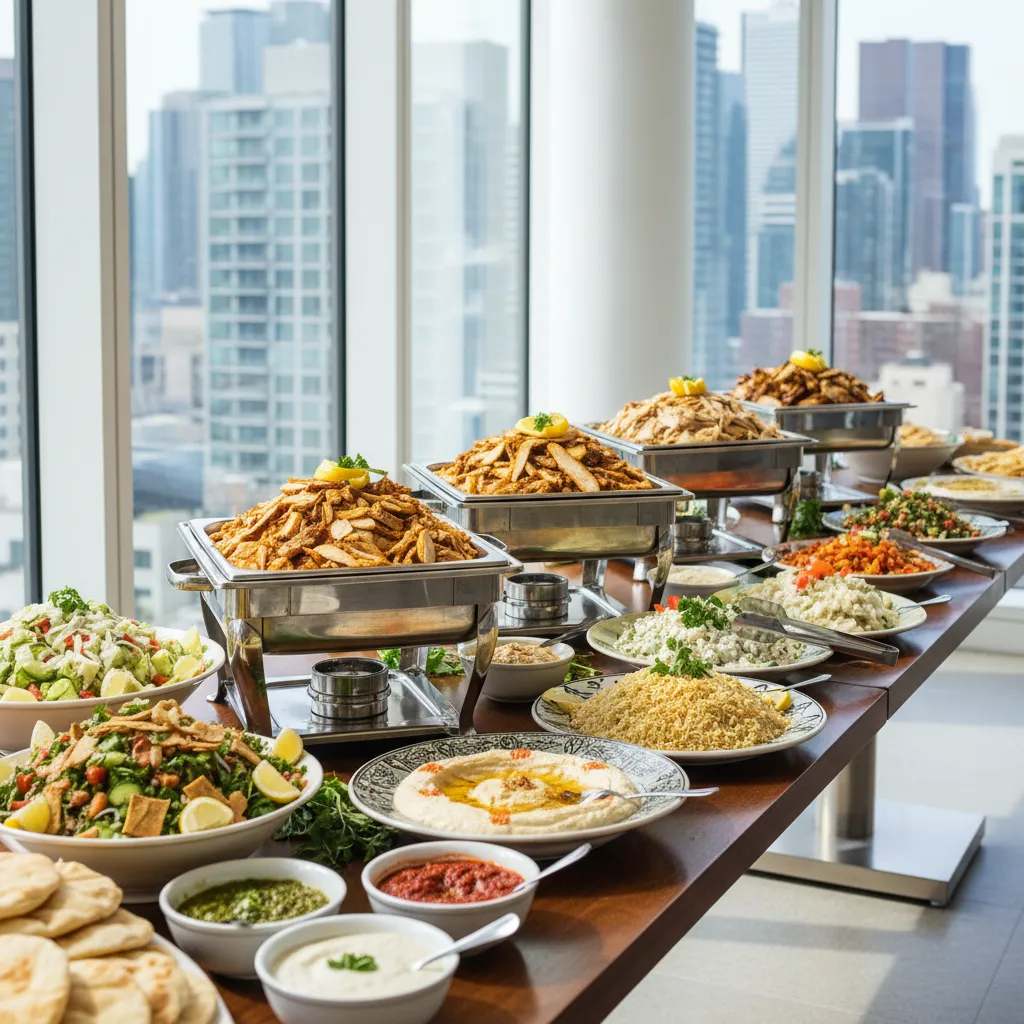
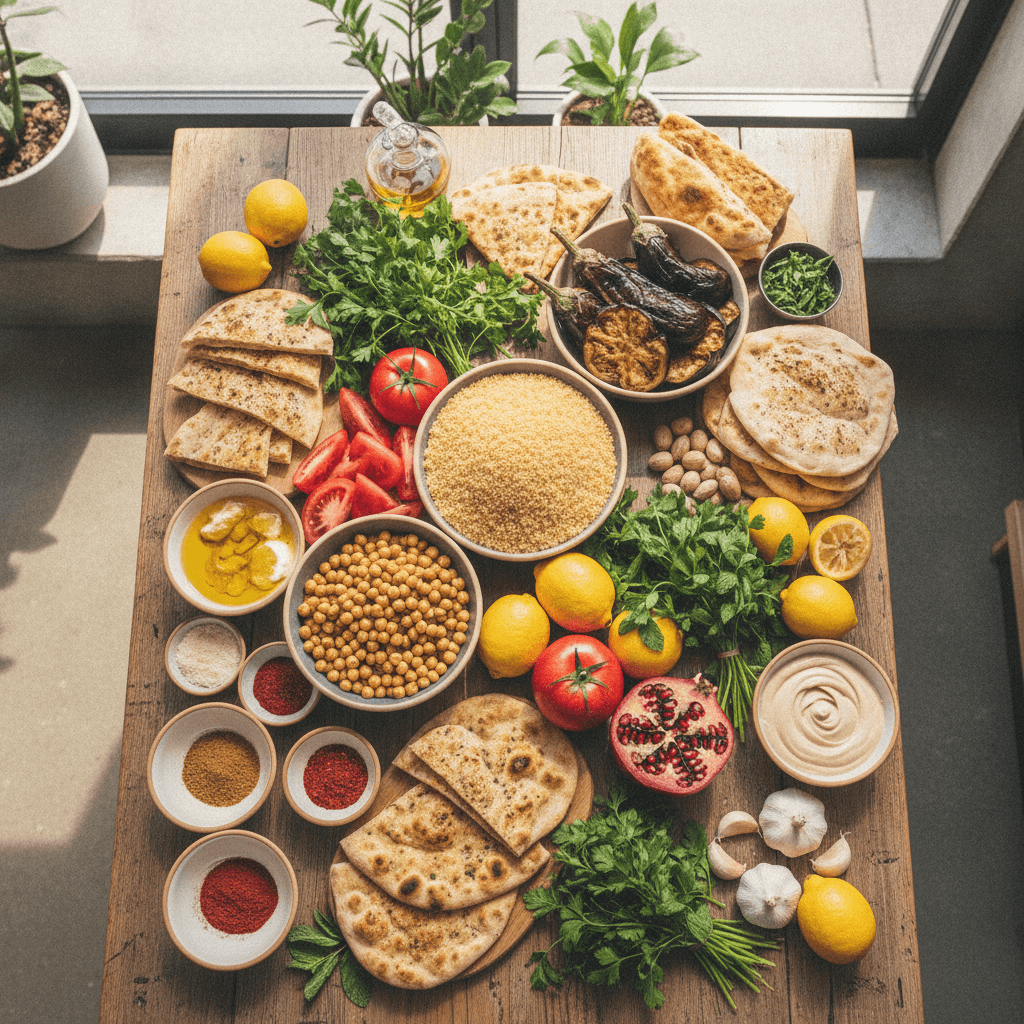
Turkish cuisine ingredients explained simply: they balance spice, acid, fat, heat, and fresh herbs to create fullness without heaviness. At Shawarma Moose (898 College St, Toronto), we use these building blocks daily in shawarma, meze, and sides so diners can order delivery or pickup with confidence and enjoy real Turkish flavors at home.
By Shawarma Moose · Last updated: 2026-06-14
Overview: Turkish ingredients at a glance
Turkish cooking relies on a core pantry: warm spices (cumin, Aleppo pepper, sumac), bright acids (lemon, yogurt, pomegranate), robust fats (olive oil, tahini), and herbaceous notes (parsley, mint, dill). Grains like bulgur and rice, along with legumes and seasonal produce, round out plates that feel satisfying yet balanced.
Think of this guide as your map to the Turkish pantry and how it powers shawarma, meze, and everyday plates in Toronto.
- Primary pillars: spice, acid, fat, heat, herbs, texture.
- Everyday staples: bulgur, chickpeas, eggplant, tomatoes, cucumbers, onions, garlic.
- Signature accents: sumac, Aleppo pepper, pomegranate molasses, tahini, garlic yogurt.
- Proteins you’ll see at Shawarma Moose: chicken, beef, lamb, falafel.
- Ordering paths: delivery, pickup, and catering for groups.
For dish ideas that spotlight these flavors, browse our shawarma menu must‑try dishes and build your next order around a flavor you love.
What is Turkish cuisine?
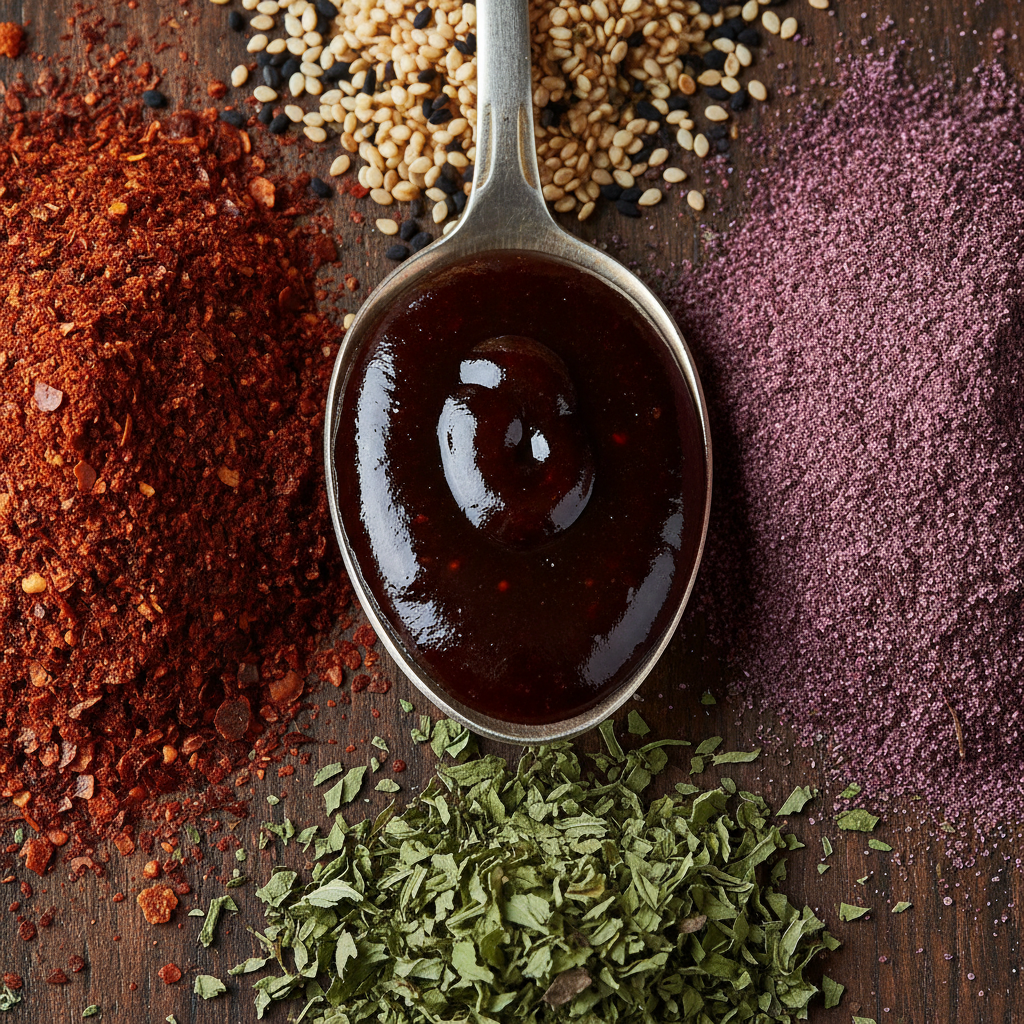
Turkish cuisine is an Eastern Mediterranean tradition that layers grilled meats, legumes, grains, vegetables, and dairy with citrus, yogurt, sumac, and olive oil. The result is savory, bright, and textural plates—from shawarma and doner to meze—built to satisfy without feeling heavy.
At Shawarma Moose, that means marinated chicken or beef rotisserie, herb‑forward salads, creamy dips, and fresh bread or rice. It’s everyday food designed for sharing and quick meals.
- Protein formats: vertical‑rotisserie shawarma, kofte‑style patties, and baked or braised dishes.
- Vegetable focus: charred eggplant, roasted peppers, tomatoes, cucumbers, onions, and leafy herbs.
- Carb comfort: pilafs with bulgur or rice, plus lavash or pita for wraps and dipping.
Curious how this looks on a plate? See our beef shawarma plate for a classic Toronto favorite built on these principles.
Why these ingredients matter in Old Toronto
In Old Toronto, balanced Turkish flavors solve two daily needs: quick meals and crowd‑pleasing catering. Bright acids and fresh herbs keep plates lively for lunch; warm spices and tender proteins satisfy evening appetites. This balance makes shawarma a reliable choice for families and teams nearby.
Busy schedules are real. Our Old Toronto neighbors often need dinner in 20–30 minutes or lunch that travels well for team meetings. Turkish building blocks deliver both.
- Lunch ready fast: shawarma wraps and bowls assemble in minutes, and hold well for office hand‑offs.
- Family‑friendly: mild garlic yogurt, crisp salads, and rice bowls suit mixed tastes at the table.
- Catering‑smart: meze trays, protein pans, and salads scale cleanly for 10–100+ guests.
Planning a low‑stress family night? Check our Toronto shawarma picks for busy family nights to match proteins and sides everyone will enjoy.
Local considerations for Old Toronto
- Transit timing: If you’re swinging by for pickup after work, factor in brief delays around Ossington—we’ll stage your order to stay fresh.
- Seasonal shifts: Colder months favor heartier bulgur pilafs and soups; warm evenings pair well with herby salads and lemon‑forward meze for park picnics near Dufferin Grove Park.
- Event flow: For neighborhood meetups, plan 10–15 minutes for tray setup; we pack sauces separately so textures stay crisp.
How Turkish flavor works (spice + acid + fat)
Turkish flavor stacks warm spices with bright acids and lush fats. Cumin and Aleppo pepper create warmth; lemon, yogurt, and sumac add lift; olive oil and tahini bring body. Fresh herbs finish the plate. This matrix makes meals feel complete without relying on heavy sauces.
In our kitchen, that matrix steers marinades, salads, and finishing touches so wraps and bowls stay balanced whether you dine now or later.
- Spice and warmth: cumin, coriander, black pepper, Aleppo pepper for gentle heat.
- Acid and brightness: lemon juice, sumac, yogurt, and pomegranate molasses for tang and fruitiness.
- Fat and mouthfeel: extra‑virgin olive oil, tahini, and strained yogurt for silky body.
- Fresh finish: parsley, mint, dill, and scallions to wake up each bite.
| Element | Common ingredients | What it adds | Shawarma Moose example |
|---|---|---|---|
| Spice | Cumin, Aleppo, black pepper | Warmth and aroma | Chicken shawarma rub |
| Acid | Lemon, sumac, yogurt | Lift and balance | Onion‑sumac salad, garlic yogurt |
| Fat | Olive oil, tahini | Silky texture | Tahini drizzle on falafel |
| Herbs | Parsley, mint, dill | Fresh finish | Tabbouleh‑style sides |
| Texture | Bulgur, pickles | Crunch and chew | Mixed plates with salads |
Want a deeper ingredient tour? This outside shawarma wrap ingredients explainer shows how wraps get layered for flavor and structure.
Types, methods, and approaches to Turkish ingredients
To decode Turkish flavor, group ingredients by role: spices and aromatics, grains and legumes, vegetables and herbs, proteins, and sauces. Each category has typical methods—like marinating, slow‑roasting, or charring—that bring out depth while keeping plates bright and balanced.
Spices and aromatics
- Sumac: tangy, wine‑like, from dried berries; great on onions and salads.
- Aleppo pepper: mild to medium heat with fruitiness; ideal on shawarma and eggs.
- Cumin and coriander: earthy warmth for marinades and pilafs.
- Allspice and cinnamon: background sweetness in beef and lamb blends.
- Garlic and onion: the savory base for marinades, dips, and salads.
Grains and legumes
- Bulgur: cracked wheat; fine grades hydrate fast for salads, coarser cuts suit pilafs.
- Rice: pilaf companion to grilled meats and saucy stews.
- Chickpeas: for falafel and stews; also roasted for crunchy toppings.
- Lentils: red for quick soups; green/brown for hearty salads.
Vegetables and herbs
- Eggplant: roasted or flame‑charred for smoky dips and sides.
- Tomatoes and cucumbers: crisp, juicy base for chopped salads.
- Peppers and onions: grilled for sweetness in wraps and plates.
- Herbs: parsley, mint, dill add a just‑picked finish.
Proteins you’ll taste here
- Chicken shawarma: marinated for 4–24 hours; sliced thin for tenderness.
- Beef and lamb: warm spices and gentle heat for juicy, savory slices.
- Falafel: ground chickpeas and herbs—crisp outside, fluffy inside.
Explore how these show up on our menu: classic chicken over rice, hearty falafel plate, and the crowd‑pleasing mix shawarma.
Sauces and finishing touches
- Tahini: toasted sesame paste thinned with lemon and water for a nutty drizzle.
- Garlic yogurt: creamy, cooling, and perfect with spice‑rubbed meats.
- Pomegranate molasses: sweet‑tart syrup that pops on salads and roasted veggies.
- Pickles and turnips: briny crunch that resets your palate between bites.
For a parallel perspective on flavor layering, this authentic Middle Eastern cuisine overview outlines how acids and herbs brighten grilled meats.
Best practices: from pantry to plate—and your order
Apply three rules when ordering Turkish food: balance spice with something bright, include a creamy or nutty element, and add a crunchy salad or pickle for texture. This formula makes wraps and plates feel complete, whether you’re eating now or saving leftovers.
- Build your balance: pick one protein, one creamy dip, one bright salad, and a warm spice accent.
- Plan for leftovers: ask for sauces on the side; reheat proteins 6–8 minutes in a 375°F oven for best texture.
- Think portable: bowls hold heat; wraps travel well for 20–30 minutes if vented slightly.
- Marinade math: most shawarma marinades work best after 8–12 hours; citrus adds quick lift in 30 minutes.
Ordering for a team? Our corporate catering menu ideas break down tray combos that scale cleanly for working lunches.
Tools and resources to navigate Turkish ingredients
Use a simple toolkit: a flavor checklist, a quick glossary for spices and sauces, and an order blueprint for delivery or catering. With those, you can build balanced meals fast, customize for dietary needs, and keep textures crisp from kitchen to table.
- Flavor checklist: spice + acid + fat + herbs + texture. Confirm you have all five.
- Glossary: sumac (tang), Aleppo (gentle heat), tahini (nutty silk), yogurt (cooling cream), bulgur (chewy grain).
- Order blueprint: protein pan + meze trio + salad + rice or bulgur; sauces packed separately.
- Heat and hold: chicken stays juicy if sliced thin and covered loosely for 5–10 minutes.
If you like seeing how wraps are stacked, this concise chicken shawarma guide shows typical layers from bread to finish.
How Turkish prep works (step‑by‑step)
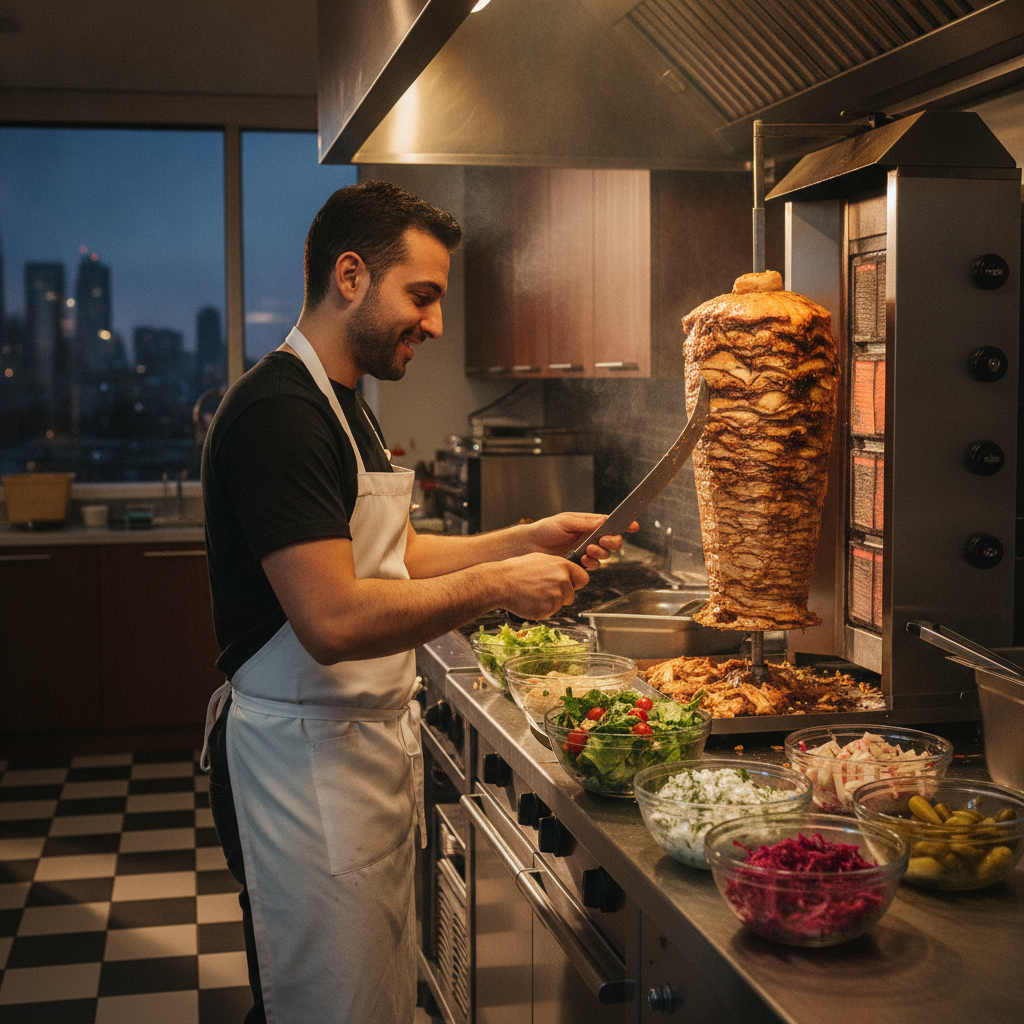
Prep centers on marinating, slow roasting or grilling, and fresh chopping. Proteins rest with warm spices and citrus, then cook low and steady. Meanwhile, salads are chopped fine and sauces whisked smooth. Separate packing keeps textures crisp for delivery and pickup.
- Marinate and rest: 4–24 hours for deep flavor; minimum 30 minutes with lemon and spices in a pinch.
- Cook low and steady: vertical rotisserie or grill keeps meat juicy; slice thin to serve.
- Chop salads fine: small, even cuts help dressings coat ingredients without sogginess.
- Pack smart: sauces on the side; warm and cold items separated to protect crunch.
| Step | Typical timing | Ingredient focus | Ordering tip |
|---|---|---|---|
| Marinate | 8–12 hours | Spice, citrus, yogurt | Ask for extra lemon or garlic on the side |
| Roast/Grill | 1–2 hours | Chicken, beef, lamb | Choose thin‑sliced for best reheating |
| Chop & Dress | 10–15 minutes | Herbs, veg, olive oil | Keep salads undressed until serving |
| Pack | 5–10 minutes | Pickles, sauces | Request separate containers |
Case studies and real Toronto examples
Balanced Turkish ingredients simplify real‑world meals: family dinners, office lunches, and neighborhood events. By pairing one spiced protein with bright salads, creamy dips, and a grain, you serve a table fast and keep leftovers delicious for the next day.
Busy family night, zero stress
- Order a protein like chicken shawarma, add garlic yogurt and tahini, plus a chopped salad.
- Choose rice or bulgur; ask to keep dressings on the side so kids can customize.
- Leftover plan: reheat protein 6–8 minutes in a 375°F oven; refresh salads with lemon.
Need pairing ideas? Our family dinner guide suggests reliable wrap and bowl combos.
Corporate lunch in Old Toronto
- Protein pans (chicken + beef), meze trio (hummus, baba ghanoush, tabbouleh), and a bright salad.
- Texture plan: pack pickles and turnips separately; add lemon wedges for last‑minute lift.
- Timing: food stays optimal for 30–45 minutes with vents open; hold sauces chilled until serving.
See sample trays and tips in our Toronto event catering menu options.
Neighborhood celebration, 25 guests
- Two proteins, two grains (rice + bulgur), salads, pickles, and sauces on the side.
- Serving flow: set salads and sauces first, proteins last; label spicy vs. mild to guide guests.
- Cleanup ease: foil‑lined pans and stackable containers shorten breakdown to under 15 minutes.
For a full planning checklist, use our private event catering guide.
Soft CTA: Ready to put these ingredients to work for your team or family? Explore our trays and wraps, then schedule delivery or pickup that fits your timeline.
Start with our corporate catering ideas or build your own from plates like the beef shawarma plate.
FAQ: Turkish cuisine ingredients explained
Here are quick, direct answers about Turkish ingredients, sauces, and ordering. Use these to build balanced wraps and plates, plan pickup or delivery, and design catering that travels well through Old Toronto.
What spices define Turkish shawarma flavor?
Cumin, coriander, black pepper, and Aleppo pepper lead, often supported by garlic and onion. Sumac adds a lemony finish on salads and onions. This mix warms without overpowering, so you taste the meat, herbs, and sauces together.
How do I balance my order for a family with mixed tastes?
Pick one protein, one creamy element (tahini or garlic yogurt), one bright salad, and a grain like rice or bulgur. Keep sauces on the side so everyone customizes heat and tang. Add pickles for crunch and a squeeze of lemon before serving.
What’s the difference between sumac and lemon?
Sumac is a tangy, berry‑derived spice that brings a wine‑like note without juice. Lemon adds sharper acidity and aroma. Use sumac to season onions and salads; use lemon juice and zest to brighten marinades, dips, and grilled vegetables.
Which grain should I choose—bulgur or rice?
Choose bulgur for a chewy, nutty base that holds dressings well in salads and bowls. Choose rice for a softer, neutral platform that lets meats and sauces shine. Both pair well with meze and pickles, so it comes down to texture preference.
Key takeaways
Turkish flavor is a simple formula: spice + acid + fat + herbs + texture. Use it to build satisfying plates, plan portable office lunches, and cater neighborhood events that please diverse tastes without feeling heavy or fussy.
- Balance warmth (spice) with lift (lemon, yogurt, sumac).
- Add creaminess (tahini or yogurt) and crunch (pickles, salads).
- Choose grains that match texture goals: bulgur chew or rice softness.
- Pack sauces separately for travel and leftovers.
Conclusion
Turkish cuisine ingredients explained in practice: start with a spiced protein, add bright acids and herbs, include a creamy element, and anchor with a grain. This simple framework turns online orders, quick pickups, and full catering spreads into consistent wins.
Whether you’re near Ossington or heading toward Dufferin Grove Park, we’ll stage your pickup or delivery so every bite lands balanced and satisfying. Explore plates like our beef shawarma or build a tray mix from our event guides above.