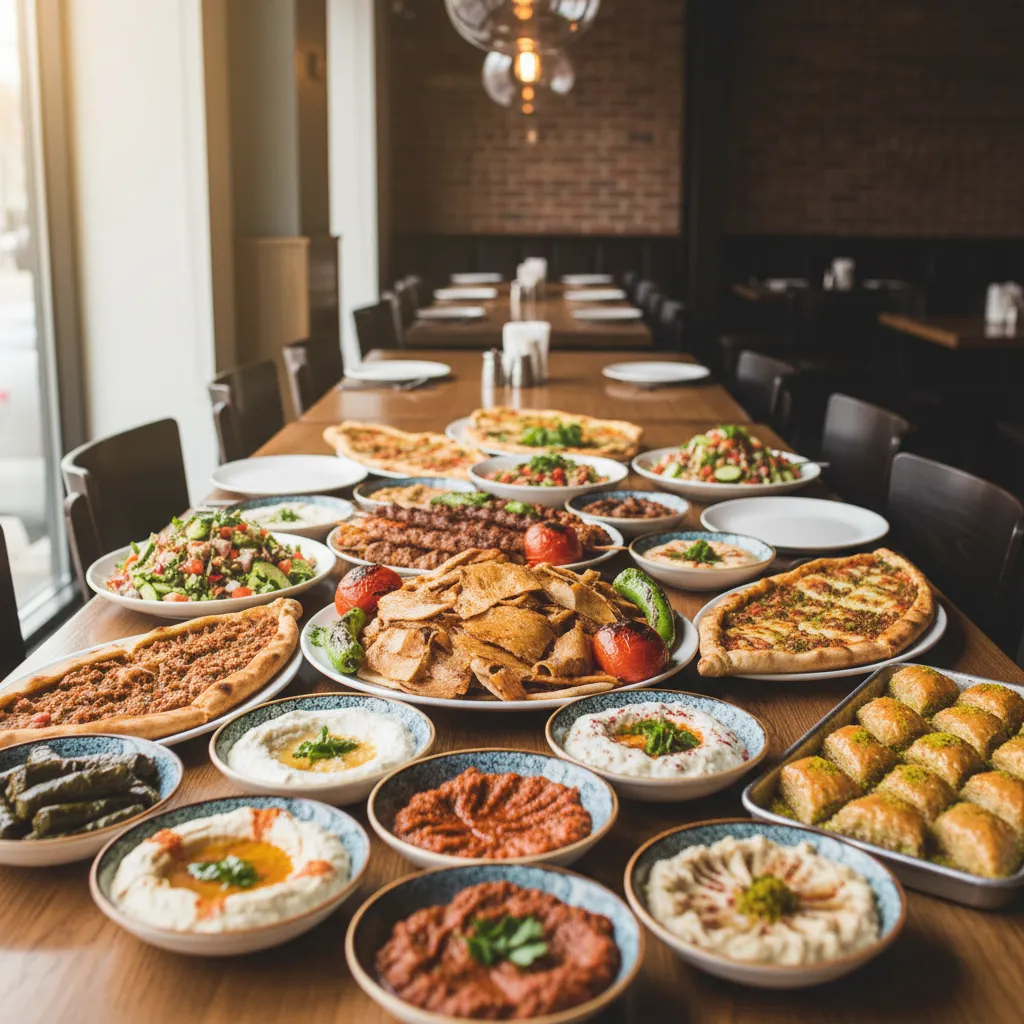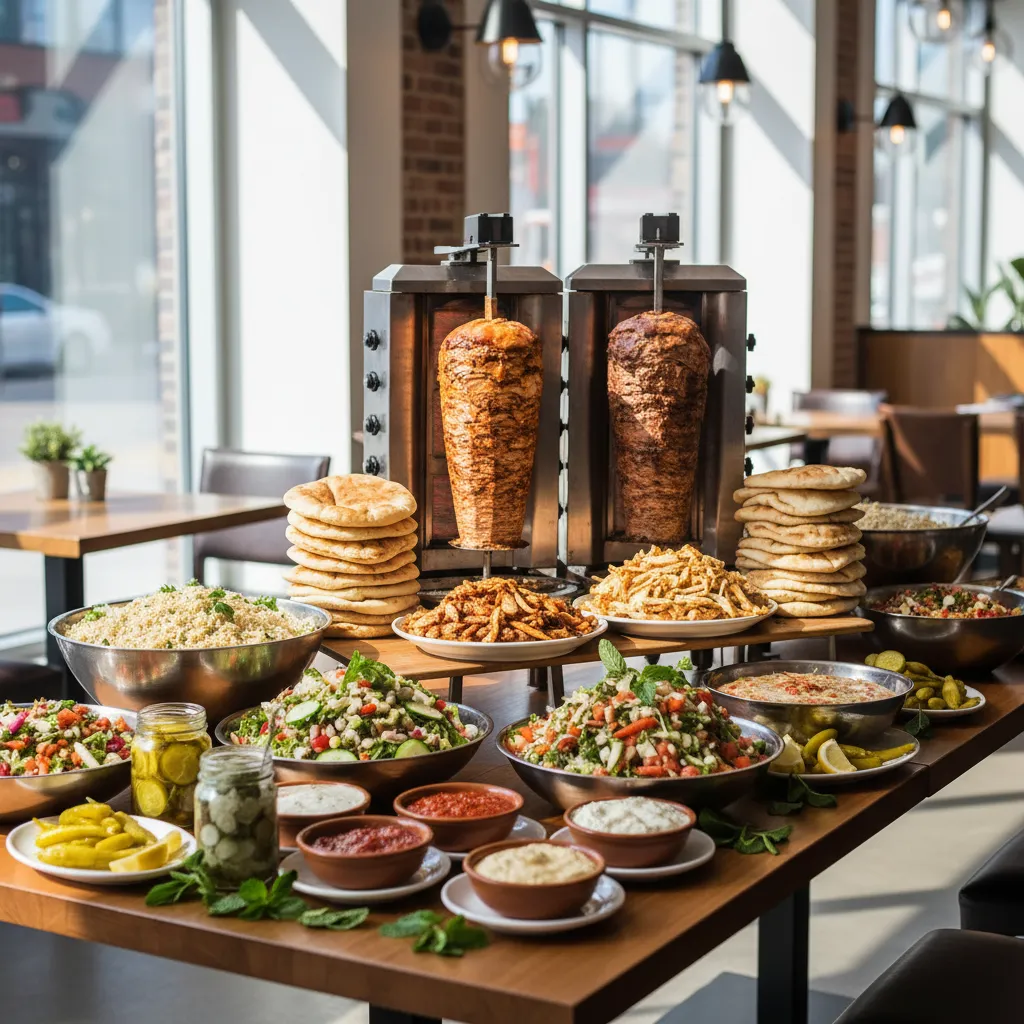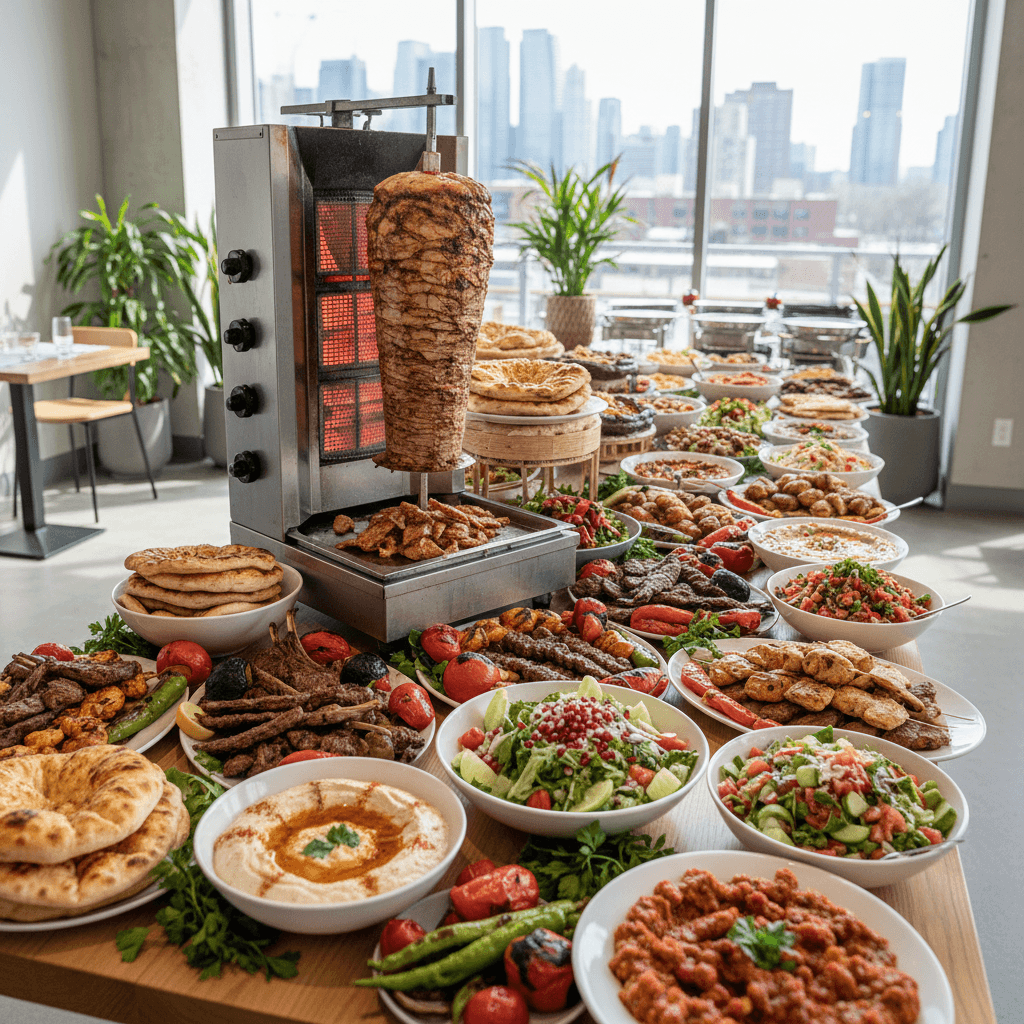
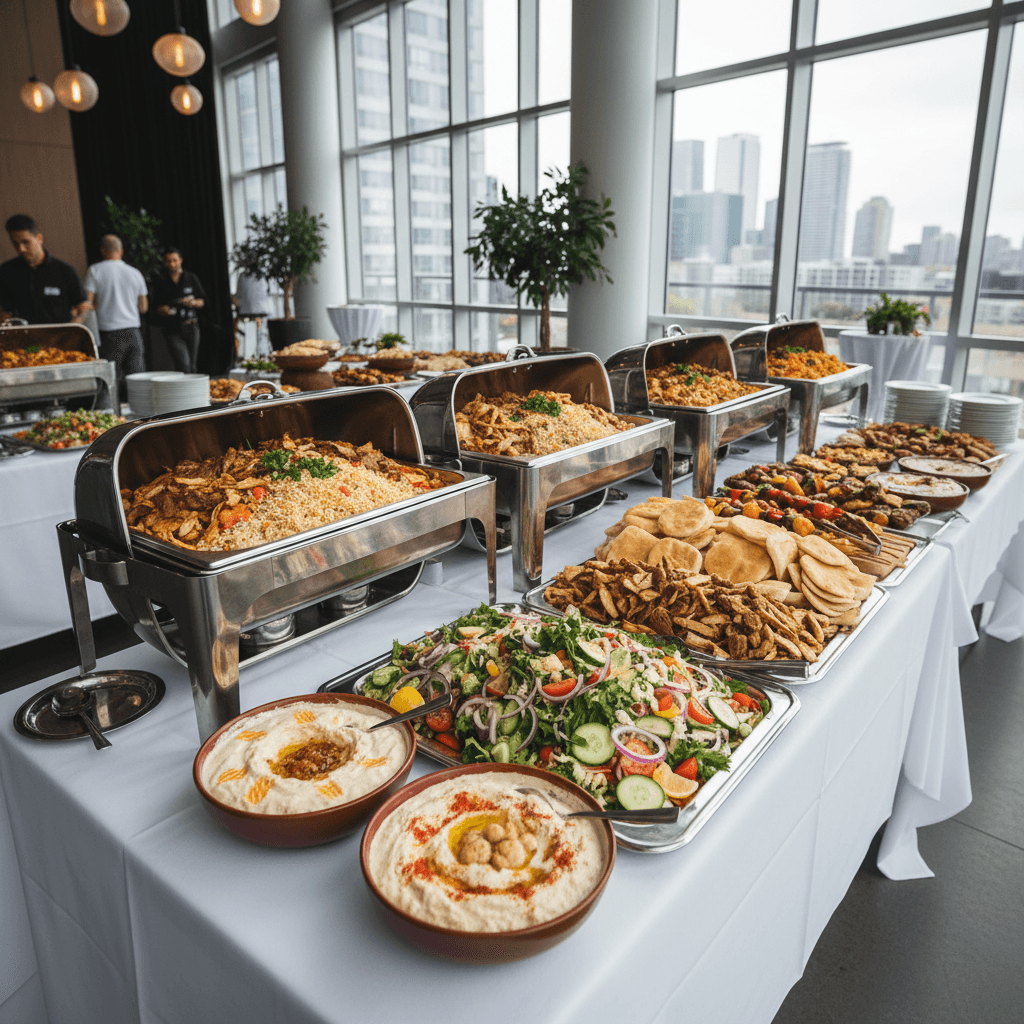
What to look for in a catering service comes down to food safety, menu fit, logistics, and reliability. For events in Toronto—especially near 898 College St—prioritize certified kitchens, clear communication, and on-time delivery or pickup. Shawarma Moose caters Middle Eastern and Turkish favorites with online ordering, making it simple to plan confidently.
By Shawarma Moose • Last updated: 2026-06-10
Quick Summary
Choose a caterer by verifying food safety practices, matching the menu to your guests, checking delivery logistics, and confirming service details in writing. Reliable teams offer dietary accommodations, labeled trays, and time-stamped handoff notes. For Toronto events, factor in traffic windows and easy pickup options from nearby locations to stay on schedule.
Use this practical guide to evaluate providers quickly and accurately. You’ll learn how professional catering works, which red flags to avoid, and how to adapt your plan for Toronto venues. We include checklists, examples from our own kitchen on College St, and action steps you can use today.
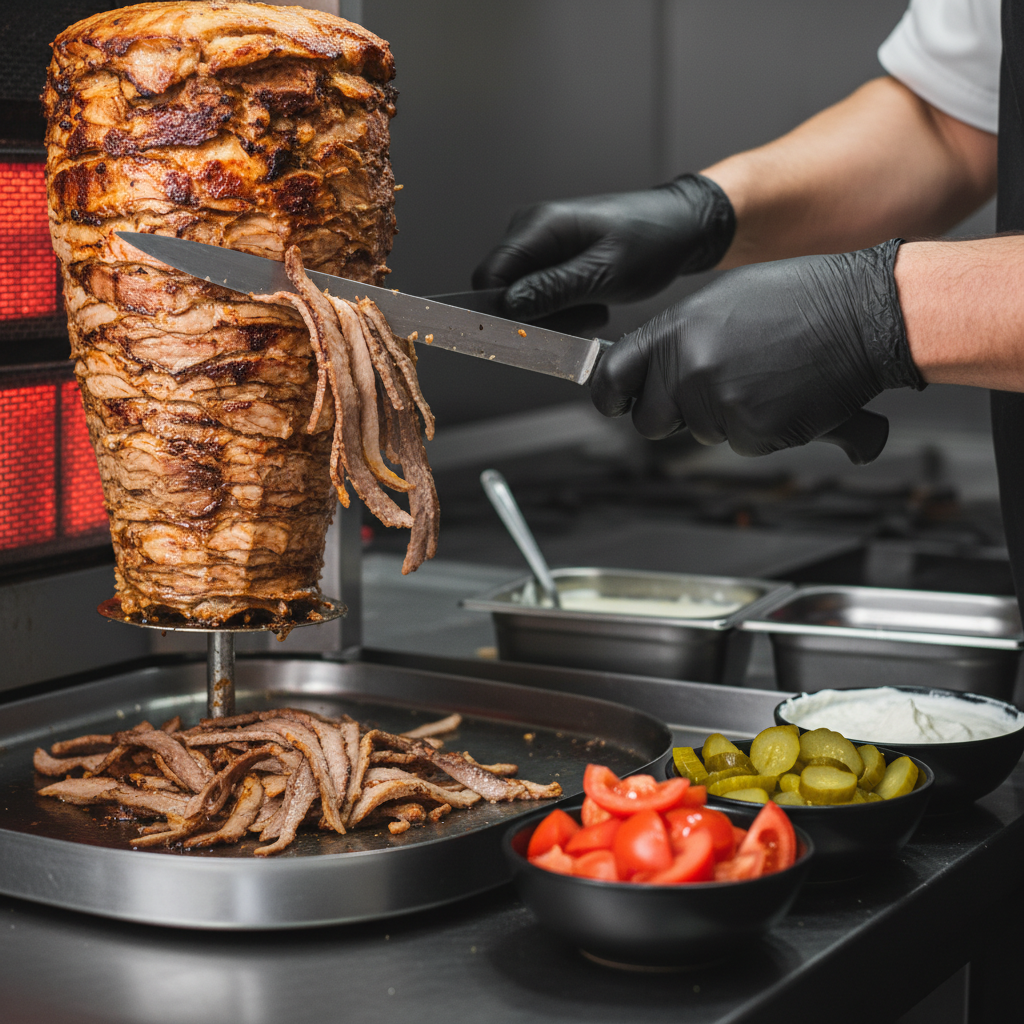
What Is a Catering Service?
A catering service is a professional food operation that prepares, transports, and presents meals for events. Full-service teams handle setup and staffing, while drop-off catering delivers hot, labeled trays. Strong caterers document safety, timing, and special diets, then coordinate handoff so hosts can focus on guests—not the food.
At its core, catering blends culinary prep with logistics. Food must be cooked, held, transported, and served within safe windows. Service style can range from buffet trays to boxed meals. The right choice depends on your headcount, venue setup, and the experience you want guests to have.
Core components you should expect
- Menu planning: Recipes scaled for group sizes, including vegan, vegetarian, and gluten-friendly options when requested.
- Production: Batch prep in a licensed kitchen with quality checks and time stamps.
- Transport: Insulated carriers to keep hot foods hot and cold foods cold.
- Presentation: Labeled trays, serving utensils, and an organized buffet flow.
- Service: Optional staff for setup, replenishing, and cleanup—especially for formal events.
At Shawarma Moose, we operate a dual model: everyday online orders (delivery or pickup) and scheduled catering for teams and private gatherings. That means office lunches can be handled as labeled drop-off trays, whereas milestone events can add setup support and timed replenishment.
Why What You Look For Matters in Toronto
In Old Toronto and the wider Toronto core, logistics make or break catering. Traffic patterns, elevator access, and tight loading windows require planning. Choose a caterer that time-stamps production, confirms access details, and offers reliable pickup options nearby—so food arrives hot and guests start on time.
Toronto’s event rhythm is real: weekday lunch peaks, after-work receptions, and weekend celebrations. Weather and roadwork add unpredictability. A caterer with flexible pickup near your venue, like our site on College St, gives you a backup when delivery windows shrink. Good planning reduces stress and protects food quality.
Local considerations for Old Toronto
- When timing is tight around Ossington, schedule earlier handoffs or use pickup from 898 College St to beat rush-hour traffic.
- Seasonal swings matter: winter storms and summer festivals can affect curb access—pad your schedule by 15–20 minutes.
- Park-side picnics near Dufferin Grove Park benefit from insulated carriers and clear labeling to speed self-serve lines.
We’ve catered everything from boardroom lunches to park-side team picnics. The difference between easy and hectic is almost always preparation: access instructions, serving plan, and a point person with a phone number.
What to Look for in a Catering Service
Evaluate a catering service by confirming licensed kitchens, clear food safety procedures, dependable timing, and menus that fit your guests. Ask about dietary accommodations, labeling, transport equipment, and handoff documentation. Strong partners share production timelines and assign a single contact to own communication and delivery updates.
Here’s a focused checklist you can use for vendor screening. It emphasizes safety, logistics, and guest experience—the pillars behind a smooth event. For Middle Eastern and Turkish menus like ours, also look for authentic recipes and balanced platters that satisfy a range of tastes.
Essentials you should verify
- Food safety: Confirm licensed facilities, hygiene standards, and hot/cold holding practices. Ask how they document times.
- Menu fit: Ensure variety: proteins, vegetarian options, salads, grains, and sauces. Request ingredient lists for allergens.
- Dietary inclusion: Vegan, vegetarian, and gluten-friendly labeling plus nut/seed disclosures for shared surfaces.
- Reliability: On-time records, backup drivers, and clear escalation when traffic or elevators cause delays.
- Communication: A single point of contact, written confirmations, and delivery tracking or time-stamped pickup notes.
- Service style: Match the format—drop-off, buffet, or staffed—to your venue and goals.
As a working example, our Toronto catering page outlines platter formats, sides, and service styles so planners can choose quickly. For office lunches, labeled shawarma trays and salads minimize decision fatigue and maximize speed.
How Catering Logistics Work (Step-by-Step)
Catering logistics follow a clock: plan the menu, lock headcount, schedule production, and time-stamp hot holding through delivery or pickup. A reliable caterer confirms access, labels trays for diets, and provides utensils. Handoff notes show temperatures and times so you can serve confidently and safely.
- Discovery: You share headcount, timing, venue access, and dietary needs. We recommend a service style.
- Menu selection: Choose proteins, salads, grains, and sauces. We confirm portioning and packaging.
- Production: Kitchen scales recipes, batches items, and time-stamps hot/cold holding.
- Transport or pickup: Insulated carriers or a timed pickup from 898 College St keep service on schedule.
- Setup: Buffet line flows from plates to proteins to salads to sauces. Labels guide guests quickly.
- Service and wrap: Staffed events handle replenishment; drop-off includes serving utensils and clear cleanup guidance.
Most Toronto offices prefer a tidy, labeled drop-off around lunchtime. Larger evening events lean toward staffed setups. Either way, your caterer should share a minute-by-minute plan from oven to table.
Types of Catering (and When to Use Each)
Choose service style based on headcount, timeline, and venue: drop-off for speed, buffet for variety, boxed meals for simplicity, and staffed service for formal events. The best approach balances guest flow, dietary clarity, and safe serving windows without overwhelming your schedule or space.
Common formats
- Drop-off trays: Hot, labeled pans with utensils—fast setup for meetings.
- Buffet: Proteins, salads, grains, and sauces with a logical flow and clear labels.
- Boxed meals: Individually portioned for trainings, travel days, or limited seating.
- Staffed service: Onsite team to set up, replenish, and manage service for formal occasions.
| Service Style | Best For | Staffing | Food Safety Notes |
|---|---|---|---|
| Drop-off trays | Quick office lunches, stand-ups | No onsite staff | Serve promptly; use chafers if service exceeds an hour |
| Buffet | Varied tastes, larger groups | Optional setup help | Label allergens; monitor hot/cold zones |
| Boxed meals | Trainings, mobile teams | No onsite staff | Keep cold items chilled until serving |
| Staffed service | Milestones, formal receptions | Onsite team | Staff manage replenishment and temperatures |
If you’re weighing options, our guide to choosing a catering package compares formats and portioning in detail.
Best Practices for Stress-Free Events
Lock headcount early, build a balanced menu, and assign a point person for delivery or pickup. Confirm access instructions, label allergens, and map the buffet flow. In Toronto’s core, add buffer time for elevators and traffic, and choose a caterer that time-stamps production and handoff.
Menu and labeling
- Balance proteins with fresh salads, grains, and sauces so guests can customize flavor and portion size.
- Label for vegetarian, vegan, and gluten-friendly items; flag common allergens like sesame, dairy, and nuts.
- Offer at least one mild and one bold sauce to satisfy varied palates.
Flow and logistics
- Place plates and cutlery first, proteins next, then salads/sides, then sauces—this shapes balanced plates.
- Designate a runner or onsite contact to meet the driver or manage pickup timing.
- For towers and shared offices, secure freight elevator access ahead of time.
We outline buffet flows and tray pairings in our Toronto event catering menu options and share real-world advice in food planning tips.
Food Safety and Allergens You Should Confirm
Ask how your caterer holds hot foods at safe temperatures, keeps cold items chilled, and prevents cross-contact for allergens. Request ingredient lists, clear labels, and time-stamped handoff notes. Safety-first kitchens share their procedures openly so you can serve confidently at any venue.
Safe serving windows protect your guests. Many operations document cooking and holding times, then use insulated carriers or chafing setups to maintain temperature through transport and service. Toronto venues follow local oversight through Toronto Public Health food safety programs.
In our kitchen, we separate prep areas for salads and proteins, sanitize shared surfaces, and label trays with plain-language notes (e.g., “contains sesame”). For drop-off, we include serving guidance so hosts can maintain safe temperatures throughout the event.
Tools and Resources (Templates You Can Use)
Use practical tools: a headcount tracker, a dietary intake form, and a delivery/pickup checklist. Map buffet flow on a single page and assign one onsite contact. These resources prevent last-minute surprises and keep service on schedule—even with tight Toronto loading windows.
Simple planning checklist
- Final headcount, including speakers and crew
- Dietary list: vegetarian, vegan, gluten-friendly, allergies
- Venue access: loading, elevator, security, parking notes
- Service style: drop-off, buffet, boxed, or staffed
- Labeling plan and serving utensil needs
- Backup: pickup option from 898 College St if delivery shifts
To see balanced menu pairings in action, browse our menu options guide and corporate-friendly ideas in corporate catering menu ideas.
Case Studies from Our Kitchen
Real events show what works: labeled shawarma buffets speed lunch lines, balanced platters satisfy varied diets, and pickup from College St helps teams beat traffic. With clear access notes and time-stamped trays, hosts focus on people—not problems at the buffet.
Old Toronto boardroom lunch
A finance team near Ossington planned a 40-person meeting with staggered arrivals. We proposed labeled drop-off trays—chicken and falafel shawarma, salads, rice, and sauces—plus a clear buffet flow. The result: 10-minute service time, zero congestion, and plenty for late arrivals.
Park-side team picnic
For a tech group gathering near Dufferin Grove Park, we used insulated carriers and simple labels like “vegan-friendly” and “contains sesame.” Guests built plates fast, and the organizer appreciated time-stamped handoff notes for safety documentation.
Hybrid delivery + pickup
When a downtown office faced an elevator shutdown, we split the plan: half delivered to a different floor, half picked up from 898 College St. A single point of contact coordinated both timelines, and lunch still started on time.
If you’re planning something similar, our buffet-style office catering explainer shows sample layouts and utensils.
How to Compare Providers (Side-by-Side)
Compare caterers on five axes: safety documentation, logistics planning, menu breadth, dietary accommodations, and communication. Ask each provider for sample labels and a delivery timeline. Choose the partner who makes details visible and gives you confidence at every step.
Practical comparison points
- Safety: Licensed kitchen, time-stamped hot/cold holding, allergen labeling.
- Logistics: Access plan, buffer time, clear contact, pickup fallback.
- Menu: Authenticity, balance, and crowd-pleasing variety.
- Dietary: Inclusive options and transparent ingredients.
- Communication: Single owner, written confirmations, proactive updates.
Need examples of balanced platters? See our Toronto catering platters and corporate catering options for common pairings and formats.
Plan Your Next Event with Confidence
Lock your date, assign a single contact, and choose a balanced menu. We handle labeled trays, transport, and timing so you can focus on people. Delivery or pickup from College St keeps everything on schedule—even when downtown traffic gets busy.
Let’s make it easy: Explore formats and request a date on our Toronto catering page, or get quick inspiration from our corporate lunch ideas.

Frequently Asked Questions
Great catering answers common questions upfront: lead time, dietary options, delivery windows, and setup details. These quick answers help you finalize plans and avoid last-minute surprises—especially for busy Toronto teams balancing meetings, access rules, and tight timelines.
How far in advance should I book a caterer?
Book as soon as you have a date, headcount estimate, and venue details. For weekday office lunches, a few business days may work; for larger or staffed events, secure your window earlier to coordinate access, labeling, and any dietary requests.
What should I look for in a catering service for dietary needs?
Ask for ingredient lists, clear vegan/vegetarian/gluten-friendly labeling, and common allergen flags (e.g., sesame, dairy, nuts). Strong caterers separate prep areas, sanitize shared surfaces, and provide labeled trays so guests can choose safely.
Is delivery or pickup better for downtown events?
Both work. For tight loading windows, pickup from a nearby kitchen can be faster and more predictable. When delivery is preferred, share detailed access notes (parking, elevators) and build a small buffer for traffic or building security.
How do I keep buffet lines moving?
Use a clear flow: plates and cutlery first, proteins second, salads and sides next, sauces last. Provide simple labels and serving utensils. Consider duplicate stations for groups over 50 so guests can serve in parallel.
Key Takeaways
The right caterer protects safety, respects schedules, and makes your menu inclusive. Verify licensed kitchens, allergen labels, and logistics plans. In Toronto’s busy core, combine clear access notes with a nearby pickup fallback to keep food hot and your event right on time.
- Prioritize safety documentation, dietary transparency, and reliable timing.
- Match service style (drop-off, buffet, boxed, staffed) to your goals.
- Plan for Toronto traffic, elevators, and loading zones—add buffer time.
- Use labeled trays and balanced platters to speed lines and reduce waste.
Conclusion
Great catering is consistent food quality plus tight logistics. Choose partners who document safety, label clearly, and communicate proactively. For Old Toronto events, a delivery or pickup plan from College St keeps meals fresh and timelines intact—so you can focus on people and purpose.
Now that you know what to look for in a catering service, you can evaluate providers with confidence. If you’re planning an office lunch, all-hands, or milestone celebration, our team at Shawarma Moose brings authentic Turkish flavors, organized buffets, and reliable delivery or pickup to your schedule. Start with our catering page or explore our private event checklist to get your plan moving.